Smoke Odor Removal Methods That Work Fast
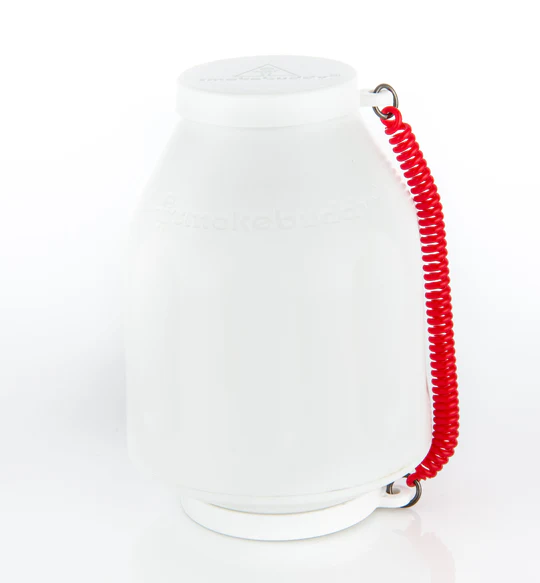
Table of Contents
- Why Smoke Odor Sticks Around
- Fast Smoke Odor Removal Methods
- DIY Smoke Odor Removal Using Stuff You Already Have
- Smoke Odor Removal for Specific Surfaces and Spaces
- Smoke Odor Removal Products Worth Buying
- When DIY Smoke Odor Removal Isn't Enough
- How to Stop Smoke Odor from Building Up Again
- Final Thoughts
- FAQs
Smoke smell has a way of making itself at home long after the session ends. It clings to fabric, creeps into walls, and hangs in the air like it has nowhere else to be. Whether you smoked inside, had guests over, or just want to keep your space fresh and discreet, knowing the right smoke odor removal methods can save you a lot of headaches and a lot of awkward conversations.
This guide covers fast fixes you can do right now, DIY solutions using items already in your kitchen, targeted tips for specific surfaces, and a look at when it might be time to bring in stronger options.
Since you’re dealing with lingering smoke odor, bear in mind that you can get up to 25% off on all products on Smokebuddy today. Use the coupon code - SLY25 to snag yourself a deal.
Why Smoke Odor Sticks Around
Smoke smell lingers because the particles settle into fabrics, walls, and other surfaces, and become a hassle to remove.
Smoke Particles Go Everywhere
Tiny smoke particles travel fast and attach to nearly any surface they touch: fabric, drywall, wood, even glass. Once those particles settle, they keep releasing odor into the air. That's why spraying a little air freshener doesn't fix the problem. It covers the smell for a bit, but the source is still sitting there, releasing more.
The Longer You Wait, the Harder It Gets
Fresh smoke odor is much easier to deal with than smoke that's had days or weeks to soak in. The longer it sits, the deeper it penetrates, especially in soft materials like carpets, couches, and curtains. Quick action makes smoke odor removal a whole lot easier.
Fast Smoke Odor Removal Methods
When you need smoke removal fast, these three steps should be your first move. They won't solve everything on their own, but they cut the smell down quickly and make every other step more effective.
Ventilate With a Purpose
Opening a window helps a little. Creating a cross-breeze helps a lot. Place a fan facing outward in one window and open another window on the opposite side of the room. This pushes the smoky air out rather than just mixing it around. Run it for at least 30 minutes to get a real difference.
Remove the Source
Before anything else, deal with what's still producing the smell. Empty ashtrays and take them outside to rinse. Toss any ash or debris in a sealed bag and get it out of the room. Cleaning without removing the source is like mopping while the spill is still happening.
Odor Neutralizers Vs Masking Sprays
There's a big difference between a product that masks odors and one that neutralizes them. Masking sprays, like most air fresheners, just layer a new scent on top of the old one. Odor neutralizers break down the actual compounds causing the smell. Look for products that say “odor eliminator” and check that they work at a molecular level. They cost a little more, but they do a better job of removing smoke odor.
DIY Smoke Odor Removal Using Stuff You Already Have
Not every smoke smell removal fix needs a trip to the store. A few common household items are surprisingly effective at pulling odor out of the air and off surfaces.
White Vinegar
White vinegar is one of the most useful tools for smoke odor removal. Set out a few shallow bowls of white vinegar around the room, especially near fabric surfaces like couches and curtains. The acetic acid in vinegar chemically neutralizes the alkaline compounds in smoke. The vinegar smell fades as it dries, and it can help reduce lingering smoke odor. You can also mix it with warm water in a spray bottle and lightly mist fabric surfaces.
Baking Soda
Baking soda is odorless, which makes it a wonderful odor absorber. Sprinkle it generously over carpets, upholstery, and mattresses, let it sit for at least a few hours (overnight is better), then vacuum it up. For odor removal in the air, set out open boxes or bowls of baking soda and swap them out every 24 to 48 hours in heavy-smell situations.
Activated Charcoal
Activated charcoal is especially effective for smoke odor removal in enclosed spaces, cars, closets, drawers, and small rooms. Its porous surface traps odor molecules rather than just absorbing them. Place charcoal bags in the affected area and leave them for several days for the best results.
Coffee Grounds
Fresh coffee grounds have a strong scent that naturally competes with and helps absorb smoke odors. Set small bowls of them in the affected space. This works best as a short-term fix or a supplement to other methods, not a standalone smoke or odor removal solution.
Smoke Odor Removal for Specific Surfaces and Spaces
Smoke doesn't settle evenly; it favors fabric, collects on walls, and hides in places you'd least expect. Here's how to handle the odor removal surface by surface.
In Clothes and Fabrics
Wash smoky clothes with your usual detergent, but add one cup of white vinegar to the rinse cycle. The vinegar cuts through residue that detergent alone tends to miss. One important note: don't put smoky items in the dryer until the smell is gone. Heat can lock odors into fabric fibers, making smoke smell removal much harder on the next wash.
In Carpets and Upholstered Furniture
For carpets and couches, baking soda is the go-to starting point. Sprinkle it, let it sit, and vacuum it up. For a heavier smoke odor, a steam cleaner is a more effective option. It penetrates fibers and loosens embedded particles in a way surface treatments can't. Rental steam cleaners from hardware stores handle most home upholstery and carpet jobs well.
On Walls and Ceilings
Walls hold more smoke residue than most people realize, and ceilings hold even more, since smoke rises. Wipe them down with a vinegar-and-water solution, working in sections. Don't rinse it off; let it dry fully. If the smell persists after cleaning, use an odor-sealing primer to create a true barrier that prevents the residue from bleeding.
Inside Cars
Cars are tough because the enclosed space concentrates odors quickly. To remove the odor in a car, place activated charcoal bags under the seats and in the trunk. Sprinkle baking soda on the floor mats, let it sit, and vacuum it out. Leave the windows cracked when parked in a safe spot to keep air moving through.
On Your Hair and Skin
A shower is the most effective fix for getting rid of the smoke odor from your hair and skin. If immediate access to a shower is not possible, dry shampoo can help minimize the smell in hair without requiring a complete wash. Rubbing a dryer sheet over hair is a quick field trick that works in a pinch. For skin, washing your hands and face with soap handles most of the residue.
Smoke Odor Removal Products Worth Buying
Some people may prefer purpose-built products over DIY fixes. These products are some of the most reliable for ways to get rid of smoke odor when you're ready to invest in something more consistent.
Air Purifiers
An air purifier with both HEPA and activated carbon filtration is a solid baseline for indoor smoke smell removal. The HEPA layer captures fine smoke particles and ash, while the activated carbon layer adsorbs the chemical compounds and VOCs that give smoke its persistent smell. For regular smokers or dedicated session spots, this combination is one of the most dependable long-term tools available.
PECO Filter Technology
PECO, short for Photo-Electrochemical Oxidation, takes air purification a step further than standard HEPA. Instead of just trapping particles, PECO uses light-activated catalysts to destroy pollutants at the molecular level, including the volatile organic compounds (VOCs) that are largely responsible for smoke odor. It's a strong option for anyone dealing with stubborn smells that keep coming back even after cleaning.
Plasma and Ionizer-Based Filters
Plasma air purifiers and ionizers work by charging smoke particles so they become heavy enough to fall out of the air or stick to surfaces, where they can then be wiped away. Some units also release ions that break down odor-causing compounds directly. They're often used alongside other filtration methods for a more thorough system for removing smoke odors. Check product specs carefully, since some ionizers can produce ozone as a byproduct.
Odor Eliminator Sprays
Store-bought odor eliminators that work at the molecular level, like those using OAM technology or enzyme-based formulas, are a clear step above typical air fresheners. They’re commonly used on fabrics and hard surfaces, so always check the label before applying them anywhere else. Always check the label to confirm it eliminates rather than just masks.
Pre-Made Activated Charcoal Bags
Activated charcoal bags are low-effort and reusable. Place them in drawers, closets, under car seats, or on shelves, anywhere odors tend to concentrate. They work quietly in the background and can be recharged by setting them out in direct sunlight for a few hours.
When DIY Smoke Odor Removal Isn't Enough
Most odor removal situations are manageable with the methods above. But there are times when the smell goes beyond what DIY can fix, and it helps to know the signs.
Signs You Need Professional Help
If you've cleaned thoroughly multiple times and the smoke odor keeps coming back, that's a sign it has penetrated deeper than surface cleaning can reach, into wall cavities, HVAC ductwork, or carpet padding. The same applies to post-fire damage or properties where heavy smoking has happened over many years.
What the Pros Use
Professional smoke smell removal companies rely on ozone generators and thermal fogging, two methods that reach places standard cleaning products can't. Ozone treatment breaks down odor-causing molecules at the chemical level. Thermal fogging pushes a heated solvent deep into porous materials, neutralizing embedded odors. These services typically run from a few hundred to over a thousand dollars depending on the size of the space.
How to Stop Smoke Odor from Building Up Again
The easiest smoke odor removal strategy is keeping the smell from piling up in the first place. A few steady habits make a real difference over time.
Smoke Near Ventilation or Outside
Even cracking a window makes a noticeable difference compared to smoking in a sealed room. Smoking outside or near an open vent limits how much odor attaches to indoor surfaces in the first place.
Use a Personal Air Filter
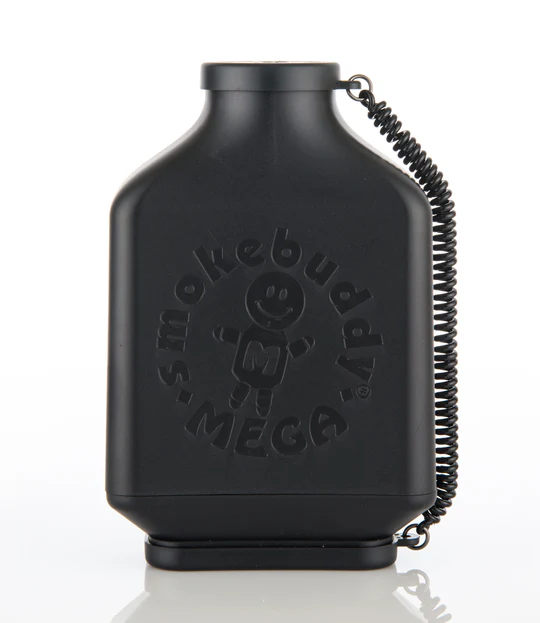
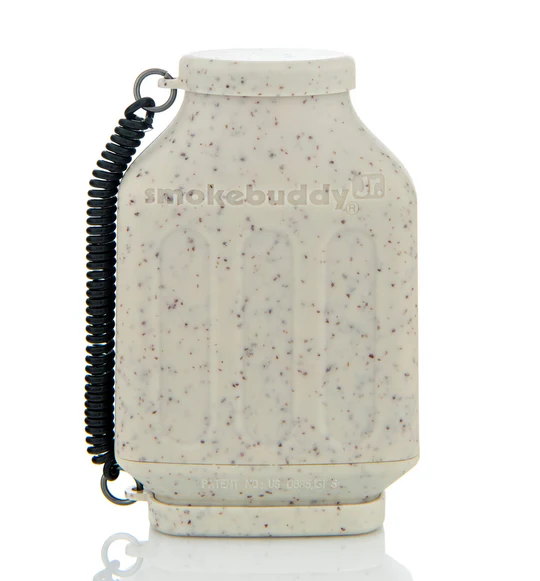
Personal smoke filters trap smoke at the source before it gets into the air at all. Exhale through the filter and the odor is neutralized before it has a chance to settle on anything.
Change HVAC Filters Regularly
A clogged or smoke-saturated HVAC filter recirculates odors every time the system runs. Changing filters regularly, especially after heavy smoke exposure, keeps your air system from working against your smoke removal efforts.
Keep Fabrics Clean and Rotated
Fabric is the biggest odor trap in any room. Washing curtains, throw covers, and bedding on a regular schedule, not just when the smell becomes obvious, prevents buildup. The less smoke residue that accumulates, the easier any future odor removal process becomes.
Final Thoughts
Smoke odor removal doesn't have to be a whole production. The fastest results come from acting quickly, ventilating, removing the source, and using something that neutralizes rather than masks.
From there, it's about matching the method to the surface: vinegar and baking soda for most things, steam and activated charcoal for tougher spots, and professional treatment if the smell has really dug in.
For anyone looking to stay ahead of the odor game, SmokeBuddy's personal air filters are a smart tool to have around. Get one today.
FAQs
What is the fastest odor removal method?
The fastest results come from combining cross-ventilation with a molecular odor eliminator spray. This tackles the odor in the air immediately while you follow up with surface cleaning.
Does baking soda actually work for smoke odor?
Yes, baking soda is a genuine odor absorber. It works best when it has direct contact with the odor source, sprinkled on carpets, upholstery, or left in open bowls for airborne odors.
How do I get smoke odor out of clothes without washing them?
Hanging clothes outside in fresh air is the most effective no-wash option. If that's not possible, hanging them in a well-ventilated room with a bowl of white vinegar nearby can help pull the odor out over several hours. Dry shampoo or a dryer sheet rubbed over fabric is a quicker but more temporary fix.
Can an air purifier handle odor removal on its own?
An air purifier handles airborne particles rather than residue already absorbed into surfaces. For full odor removal, pair the air purifier with surface cleaning, especially on fabrics, walls, and carpets, for the most complete result.
When should I call a professional for smoke odor removal?
If the smell returns after multiple rounds of thorough cleaning, it's likely embedded in places DIY methods can't reach. Professional smoke odor removal using ozone treatment or thermal fogging is the right call in those cases, especially after fire damage or years of heavy indoor use.
