Discreet Smoking Indoors: How to Reduce Odor and Visibility
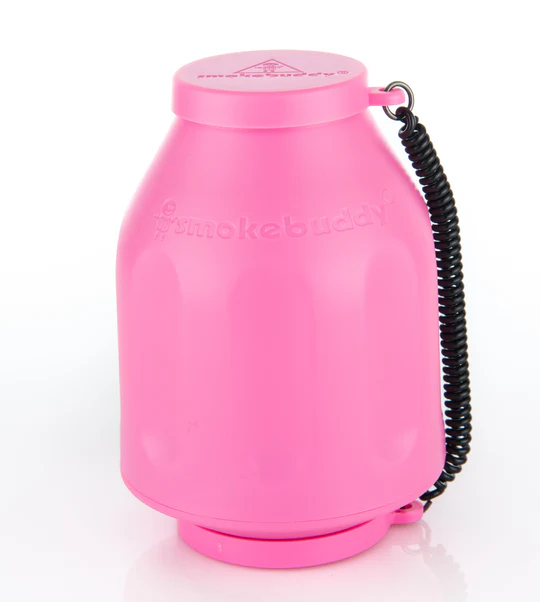
Table of Contents
Smoking indoors seems simple enough until the scent begins creeping under the door, soaking into the upholstery, and announcing itself to everyone who enters. Whether you are in a rented apartment or simply prefer to keep your business private, mastering the art of discreet smoking indoors is a practical skill.
To harness this skill, you need to know where to smoke, how to stop the smell before it spreads, which products work, and what to do when you know the smoke is already out. All these practical key points are the things this blog will cover.
At the end, you should be able to keep your space smelling clean, your sessions low-key, and your business your own, even if you're a daily smoker or just someone who lights up occasionally.
If you need to stock up on gear or tools to help keep your home space clear, Smokebuddy is currently offering 25% off their products with the coupon code SLY25. Take advantage of this discount now before it runs out!
Why Discreet Smoking Indoors Is Harder Than It Looks
Most people underestimate how far smoke can travel. You crack a window, take a few puffs, and think you're good, then someone opens the bathroom door, and the smell hits them from across the hall. That's not bad luck. That's just how smoke behaves.
Smoke doesn't stay where you leave it. The haze moves with airflow, seeps into soft materials, and sticks to walls, curtains, and furniture long after you’re done. That's what makes discreet smoking indoors tricky. It's about everything that happens and everything you do before, during, and after you light your joint.
Odor molecules from smoke are tiny and lightweight and can linger for hours or days if nothing is done to clear them out. Carpets, couches, and curtains are the worst offenders because they absorb and hold onto smells like a sponge.
The good news is that once you understand why smoke is so stubborn, it's a lot easier to stay one step ahead of it, especially when you have the right tools, like a quality personal air filter running in the background.
Picking the Right Spot for Discreet Smoking Indoors
Where you smoke matters just as much as how you smoke. The right room can cut your cleanup in half. Some of the best places for discreet smoking indoors are:
Bathrooms With Exhaust Fans
A bathroom with a working exhaust fan is one of the better spots for discreet smoking indoors. The fan pulls air and smoke directly out of the room. Run it before, during, and for a few minutes after your session for best results. Pair it with a personal air filter nearby to catch whatever the fan misses.
Rooms With Windows That Open Outward
A room with a window that opens outwards gives you a clear exit path for smoke. Add a fan that’s blowing outwards, and you've got a basic but effective ventilation setup.
What to Avoid
Carpeted rooms hold onto smells longer than hardwood or tile floors. Rooms tied to a central A/C or heating system are also a problem, as those vents can carry smells to every other room in the space fast.
Controlling the Haze Before It Spreads
Getting ahead of the smoke before it moves is the most underrated part of discreet smoking indoors. A little effort here saves a lot of cleanup later. Here are the best ways to control your smoke before they spiral out of control:
Personal Air Filters
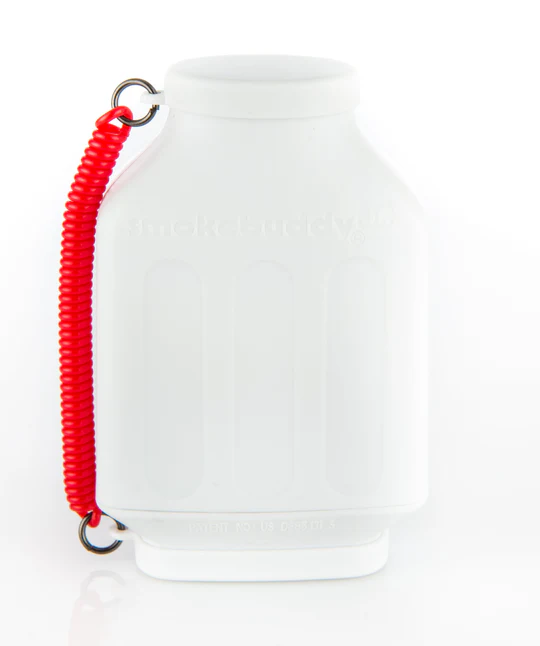
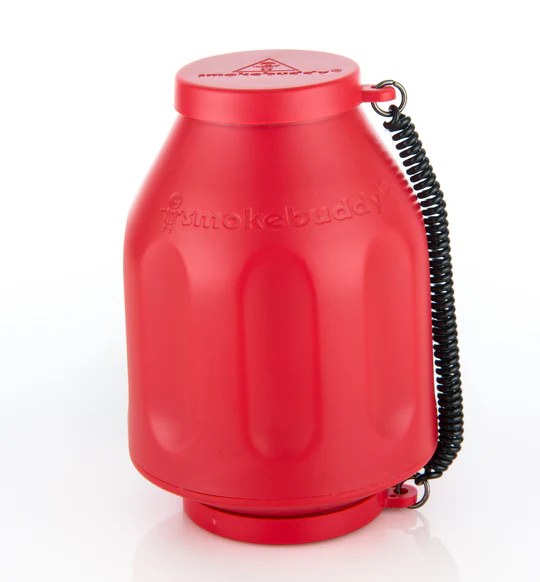
A personal air filter is one of the most effective tools you can use to control odor at the source. Instead of letting exhaled smoke drift freely into the room, you exhale directly through the filter, which traps the smell before it ever hits the air. The result is significantly less odor escaping into your space during a session.
If you're environmentally conscious, you can purchase an eco-friendly filter to keep your sessions discreet without the waste that comes with disposable alternatives. It's a small switch that's better for your space and better for the planet.
Getting the Most Out of Your Personal Air Filter
The technique is simple but worth doing right. Exhale slowly and steadily through the filter rather than forcing a sharp burst of air through it. The slower the exhale, the more contact the air has with the filter material, and the better the odor capture. Hold the filter firmly to your lips so no air escapes around the sides.
Exhaling Into an Exhaust Fan
If you don't have a personal air filter on hand, exhaling directly into an exhaust fan is a solid alternative. The key is staying close. Exhaling from across the room gives the smoke too much space to spread before it reaches the fan.
Sealing the Door Gap
Smoke, mist, and other aerosols can sneak under doors. Rolling up a towel or using a door draft stopper blocks that gap and keeps the smell contained to one room.
How to Clear the Smell After a Session
Even the best setup leaves a little behind sometimes. Here's how to clear it out fast.
Ventilate Immediately: The sooner you open windows and run fans after a session, the better. Aim for at least 15–20 minutes of active airflow right after you're done, before odor has time to fully settle into surfaces.
Wash Fabrics Regularly: Clothes, towels, curtains, and couch covers hold onto smells longer than any hard surface. Washing or airing them out regularly is one of the most effective long-term habits for keeping a room smelling clean.
Wipe Down Hard Surfaces: Smoke residue builds up on walls, countertops, and shelves over time. A light wipe-down with a mild cleaner every so often keeps that residue from becoming a permanent odor source.
What Doesn't Work and Why
Sometimes, you can think that a few tricks should help you mask the haze in your room. Let’s disabuse the most common of these wrong thoughts right now.
Body Spray and Cologne
Spraying yourself or the room with cologne doesn't remove or bury the smell of smoke. It just layers two smells on top of each other. Most people find the combination more noticeable, not less.
Just Opening One Window
A single open window without any airflow strategy doesn't move enough air to make a real difference, especially in a closed or closeted room.
Smoking in a Closed Bathroom Without a Fan
A bathroom with no exhaust fan is actually one of the worst spots. The smell has nowhere to go and concentrates fast in a small, enclosed space.
Many smokers think they’ve handled the smell after doing these things, then find it strange when the landlord comes knocking in a few hours. The reason is simple: they don’t work.
Final Thoughts
Discreet smoking indoors is less about luck and more about having a system. The right spot, the right gear, and a quick cleanup routine are all it takes to keep your space smelling fresh and your sessions low-key.
Best to know that none of this requires expensive equipment or complicated setups. Knowing what works and doing it consistently is all you need.
FAQs
What is the most discreet way to smoke indoors?
Using a vaporizer near an exhaust fan, with the door gap sealed. This is the most effective method that drops visible smoke and significantly reduces odor compared to traditional methods. A personal air filter also gets the job done perfectly.
Does a sploof actually work for hiding the smell?
A good quality sploof does a solid job of filtering odor from exhaled smoke. It won't eliminate 100% of the smell, but paired with good ventilation, it makes a noticeable difference.
What's the best air purifier for the smell?
Look for an air purifier with an activated carbon filter and a HEPA filter. The carbon layer handles odor molecules while the HEPA layer catches particles. Make sure the unit is rated for the square footage of your room.
How long does the smell linger in a room?
It depends on the room. In a well-ventilated space with hard floors, smell can clear within an hour or two. In a carpeted room with little airflow, it can stick around for 12–24 hours or longer without active odor control.
Can a landlord tell if you've been smoking inside?
Yes, they can. Smoke residue builds up on walls, ceilings, and surfaces over time, and the smell can be difficult to remove without a deep clean. Regular ventilation, odor eliminators, and surface wipe-downs help minimize buildup, but consistent indoor smoking without proper and regular cleaning is hard to fully hide long-term.
