Smoke Odor Control Devices Explained
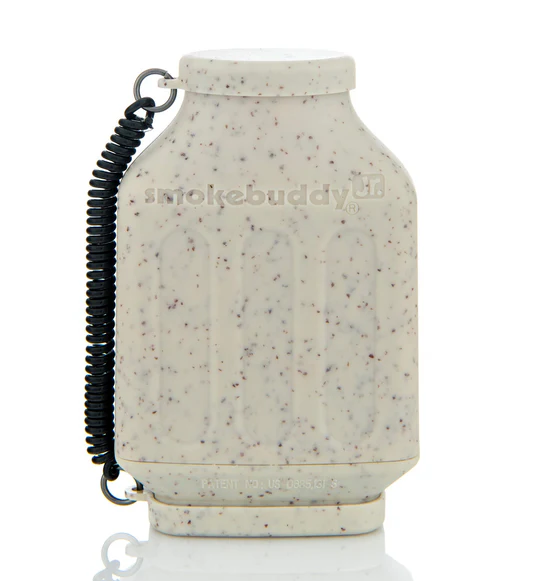
Table of Contents
Anyone who smokes regularly knows the drill: the session ends, but the smell sticks around as it has nowhere else to be. Whether you’re in an apartment, a shared house, or just want to keep your space smelling normal, dealing with smoke odor is a real thing. Good smoke odor control devices can make a noticeable difference between a room that smells fine and one that broadcasts every session you’ve had this week.
In this article, we’ll break down the main types of smoke-odor-neutralizing devices available today, what each one actually does, and which situations call for which tool. By the time you’re done reading, you’ll know exactly what to grab, what to skip, and how to layer your options for the best results.
While there are many options on the market, Smokebuddy has been in this niche for nearly two decades. Today, they’re conducting a lifetime sale at 25% off when you place an order with the coupon code SLY25.
Why Smoke Smell Is Hard to Get Rid Of
Smoke particles are microscopic, and that tiny size is exactly what makes it hard to rid. They slip into porous surfaces like drywall, carpet, upholstery, and fabric with ease. Once they’re in, they don’t just sit there; they release odor over time.
The Science Behind the Stink
Smoke contains volatile organic compounds (VOCs), tar, and resins. These substances are built to cling to surfaces, which is why wiping down one room can still leave a smell lingering somewhere else the next day.
Air movement through fans, vents, and HVAC systems carries these odor particles into every corner of a building. That’s also why a quick spritz of air freshener doesn’t fix it; it only layers a new scent on top of the existing problem. Real smoke odor control requires breaking those molecules down, filtering them out, or capturing them before they spread.
The Main Types of Smoke Odor Control Devices
Not all smoke odor control devices work the same way, and that’s a good thing. Different situations call for different tools. Here are the main categories of these tools and what each one does.
Personal Smoke Filters or Sploof
A sploof is a handheld device that you exhale directly into. They’re compact, easy to use, and affordable enough to keep one on hand at all times.
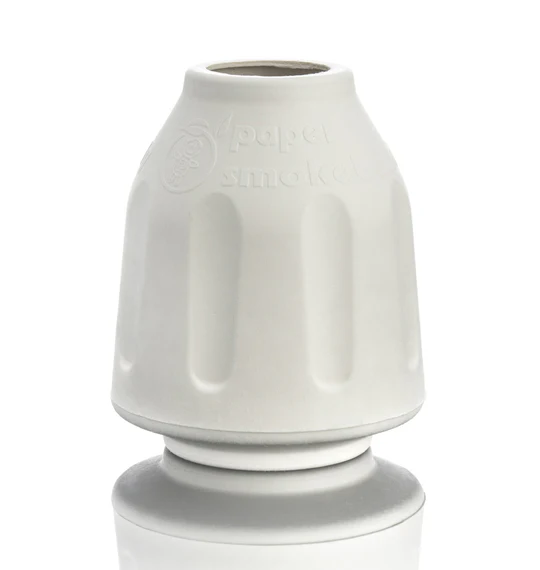
The smoke goes in one end, passes through an activated carbon filter or other materials, and comes out the other side. The result is air with a fraction of the odor it carried going in. High-quality models like Smokebuddy’s personal air filters also use internal filtration chambers to keep smoke from leaking out the sides.
Sploofs are ideal for personal indoor sessions, apartment smokers, and anyone who wants discreet, real-time odor control without setting up a whole system.
Air Purifiers, PECO, and Plasma Tech
An air purifier is a room-level smoke odor control device. It sits in a corner, runs continuously, and pulls air through a series of filters that catch both particles and gases. For smoke, the combination that actually works is HEPA filtration paired with an activated carbon layer. The HEPA filter grabs fine smoke particles, and the carbon layer handles the odor-causing gases.
When shopping for an air purifier aimed at smoking, look for a high Clean Air Delivery Rate (CADR) rating. A higher CADR means the unit cleans air faster, which matters in a room where smoke is actively present.
Photo-Electrochemical Oxidation (PECO) is an advanced version of the regular HEPA. It uses light-activated catalysts to destroy the pollutants on the cellular level. Meanwhile, Plasma Ionizers charge particles so they cluster together and fall out of the air more easily.
However, consider using these advanced systems sparingly as they can produce ozone or formaldehyde as a side effect.
Air purifiers work best as a background tool, running them consistently keeps the air cleaner overall rather than reacting after the fact.
Ozone Generators
Ozone generators work differently from other odor control devices. Instead of filtering air, they release ozone (O₃) gas into the room, which reacts with odor-causing molecules and breaks them down. The process is effective at eliminating even deeply embedded smoke odors from surfaces like carpet, upholstery, and walls.
The important catch: ozone generators cannot be used while people (or pets) are in the room, and it also affects some electronics and certain materials. Ozone in high concentrations is harmful to breathe, and the EPA has documented the health risks associated with exposure.
These units are best suited for clearing out a heavily smoked space after everyone has left, not as an everyday, session-by-session smoke control device; an air purifier is a safer substitute for regular use.
Smell-Proof Storage
Smell-proof storage isn’t a device that filters air, but it is a controlling device since it keeps the odor at the source. Cheap plastic bags and loose-fitting containers let smell leak into a room 24 hours a day, not just during a session. A proper airtight jar or smell-proof bag cuts that off entirely.
Glass jars with airtight seals are among the best options for at-home storage. Smell-proof bags made with odor-barrier layers work well for travel. Either way, good storage is a simple, no-maintenance step that reduces ambient odor between sessions without requiring any filters or electricity.
Which Smoke Odor Control Device Is Right for You?
The right smoke residue control device depends on how you smoke, where you smoke, and what kind of odor problem you’re dealing with.
For Apartment and Indoor Smokers
A personal smoke filter is the most direct solution for mid-session odor control. It works in real-time, requires no setup, and fits in a drawer. Pair it with a running air purifier in the background, and you’ve got a solid two-layer approach that handles both immediate exhale odor and the residual smell that builds up over time.
For Occasional Smokers
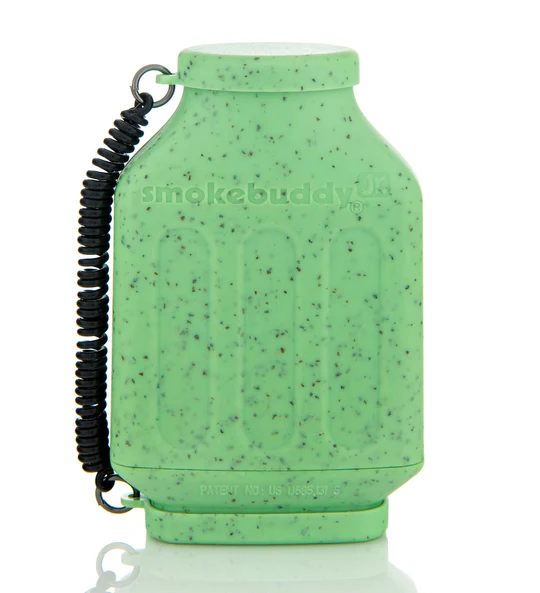
A premium personal sploof or smoke filter gets the job done without investing in a full air purification system. Smokebuddy’s lineup includes a range of sizes, so there’s an option whether you want something pocket-sized or something with more capacity for longer use. Keep smell-proof storage in the mix, and the occasional session leaves very little trace.
For Clearing a Room After Heavy Use
An ozone generator can be effective here, provided the space is vacated during treatment and aired out properly afterward. This is more of a reset tool than a daily smoke neutralizing device. For ongoing use, rely on the air purifier and personal filter.
Tips That Make Any Smoke Odor Control Device Work Better
Even the best smoke odor control device performs better with a little help. A few simple habits can dramatically improve how well any setup handles smoke smell.
Ventilation Done Right
Cracking a window an inch or two creates controlled airflow without letting smoke billow across the room. A wide-open window can actually make things worse by creating drafts that spread smoke particles farther before they can be captured. Small, intentional ventilation works with your smoke odor control setup instead of against it.
Watch Out for Fabric
Curtains, blankets, hoodies, and upholstered furniture absorb smoke smell faster than hard surfaces. Keeping soft materials out of the direct path of smoke reduces how much odor gets embedded in the first place. Washing fabric items regularly helps clear out what does accumulate.
Clean Your Gear Regularly
Residue and buildup in pipes, bongs, and trays become odor sources on their own over time. Dirty water and resin release smell constantly, not just during a session. A quick cleanup after each use stops them from undercutting whatever smoke odor control device you’re relying on.
Layer Your Approach
No single device eliminates 100% of the smell in every scenario. Combining a personal filter for exhale odor, an air purifier for ambient air quality, and airtight storage for your supply covers all three main points where odor can escape. Think of it as a system, not a single fix.
When to Invest in a Real Smoke Controlling Device
For regular smokers, a quality smoke odor control device pays for itself quickly in peace of mind. Personal filters are rated for hundreds of exhales per unit and use replaceable or sealed activated carbon systems.
That’s a very different level of performance than a roll of paper towels and a rubber band. The upfront cost is low, and the difference in results is significant.
Final Thoughts
Managing smoke odor doesn’t have to be a battle. The right smoke odor control device, or the right combination of them, makes it a non-issue. Personal filters handle real-time exhale odor, air purifiers manage the ambient air over time, ozone generators reset a heavily used space, and smell-proof storage keeps the source from broadcasting 24/7.
The right tools let you smoke discreetly without leaving traces. Pick the device that fits your situation, layer it with a couple of smart habits, and enjoy a session without the aftermath.
FAQs
Do smoke odor control devices actually work?
Yes, but no single device eliminates 100% of the smell in every situation. Personal filters reduce exhale odor, air purifiers with activated carbon handle ambient air over time, and smell-proof storage prevents odor from escaping between sessions. The key is using the right tool for the right moment.
What is the best smoke smell control device for apartments?
For apartment use, a personal smoke filter is the most direct option for real-time odor control. Pairing it with a HEPA and activated carbon air purifier running in the background gives you coverage during and after a session. Smell-proof storage rounds out the setup by eliminating any ambient odor from stored material.
Is a DIY sploof as good as a store-bought sploof?
In simple terms, no. A DIY sploof made with dryer sheets masks odor to some degree but doesn’t trap odor molecules the way an activated carbon sploof does. For an occasional one-time fix, DIY is fine. For regular use, a store-bought device performs at a noticeably higher level.
Can an air purifier alone handle smoke odor?
An air purifier with HEPA and activated carbon filtration does a solid job at clearing smoke odor from the air over time, but it works best as part of a broader setup. It won’t capture odor molecules from exhaled smoke instantly the way a personal filter does.
How often should I replace the filter in my smoke odor control device?
It depends on the device and how often it’s used. Many personal filters are rated for 300+ exhales before needing replacement. Activated carbon filters in air purifiers typically need replacing every three to six months, depending on usage. Most quality devices give a noticeable sign when performance is dropping, air resistance increases or odor starts breaking through more easily.
