Personal Air Filter for Dabs: What You Need to Know Before Using One for Concentrate Sessions
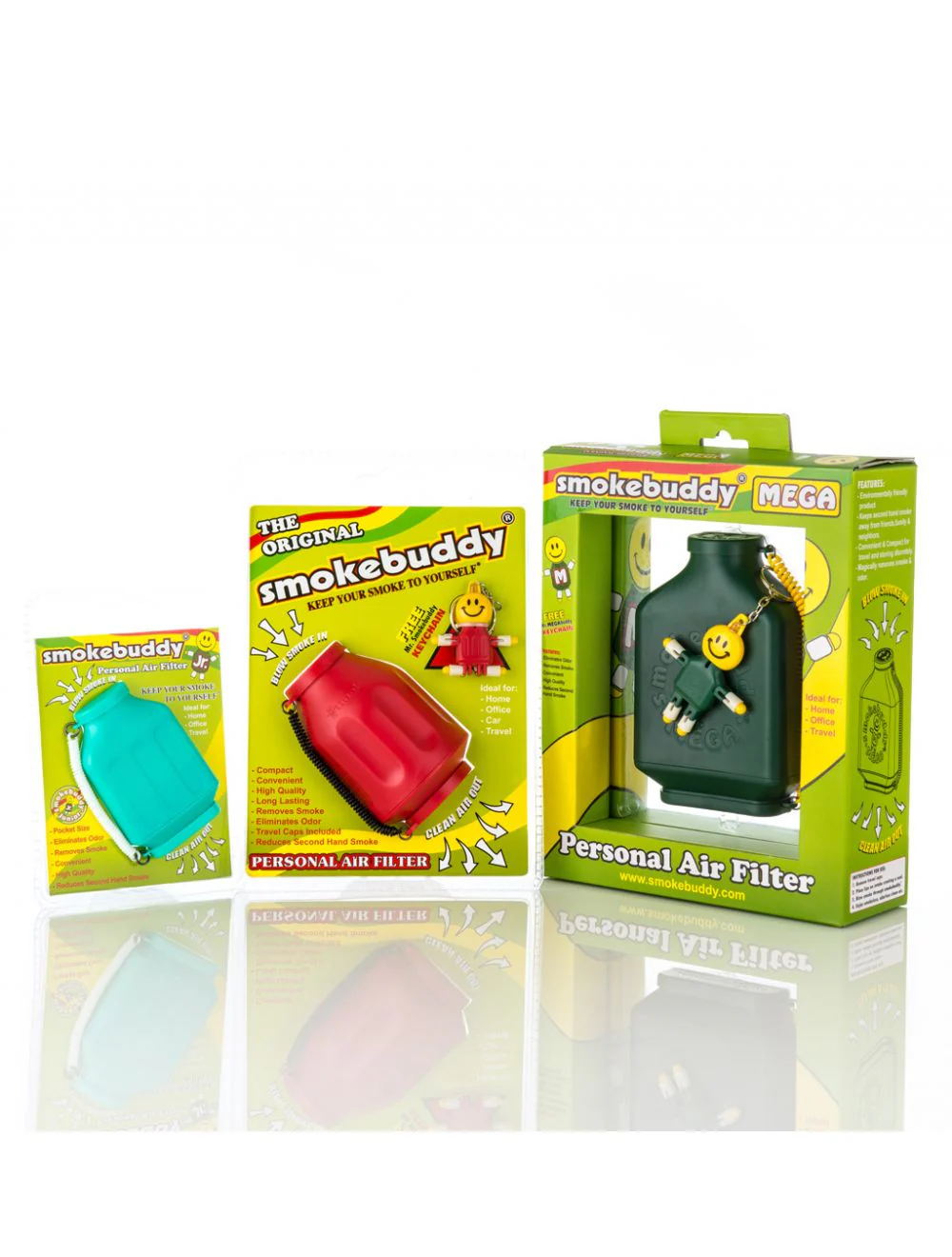
Table of Contents
- How Dab Vapor Differs From Combustion Smoke
- How a Personal Air Filter Works for Dabs
- Choosing the Right Personal Air Filter for Dabs
- Final Thoughts
-
FAQs
- Does a personal air filter work for dabs the same way it works for flower?
- Will using a personal air filter eliminate all dab smell in a room?
- How often should a personal air filter be replaced when used for dabs?
- Does a personal air filter affect the flavor of a dab exhale?
- What size personal air filter is best for regular concentrate use?
Dabbing has a reputation for being cleaner than smoking flower, and in some ways that reputation is earned. There is no combustion involved, and the vapor produced from a concentrate at the right temperature is noticeably different from the thick smoke that comes off burning plant material.
But that does not mean the exhale from a dab session is odor-free or without impact on the air quality in a room. Anyone who has dabbed indoors knows that the smell travels, lingers, and gets into surfaces just like smoke does.
Using a personal air filter for dabs is a natural extension of what concentrate enthusiasts already care about, which is a cleaner, more controlled experience. The question is not whether a personal filter makes sense for dabbing.
The question is what to understand about how vapor behaves differently from smoke, what that means for filter performance, and how to get the most out of a personal air filter in a concentrate session context. This guide covers all of it.
A cleaner, odor-free space is just one order away. Smokebuddy makes personal air filters designed to reduce indoor smoke and odor and with code SLY25, you get 25% off when you order.
How Dab Vapor Differs From Combustion Smoke
Understanding why a personal air filter for dabs works the way it does starts with understanding what is actually in the exhale from a concentrate session.
Dabbing involves vaporizing a concentrate, typically at temperatures between 400 and 600 degrees Fahrenheit, which turns the cannabinoids and terpenes into an inhalable vapor without burning the material. The absence of combustion means there is no carbon monoxide, no ash, and significantly fewer combustion byproducts compared to burning flower.
What remains in a dab exhale is a mixture of vaporized terpenes, residual cannabinoid compounds, water vapor, and in some cases trace amounts of concentrate that did not fully vaporize before inhalation.
The terpene content of that exhale is particularly relevant for odor. Terpenes are highly aromatic volatile organic compounds, and the concentrated terpene profile of a high-quality extract can produce a noticeably strong smell even though the visual vapor may be lighter and thinner than combustion smoke.
Why Dab Vapor Still Creates Odor in a Room
The absence of thick visible smoke from a dab session sometimes gives people the impression that odor is minimal, but terpene-rich vapor is genuinely pungent.
The terpenes that make a particular strain smell distinct, myrcene, limonene, caryophyllene, linalool, and others, are the same compounds that disperse into room air during a session and bond to soft surfaces exactly the way combustion smoke compounds do.
The odor profile of a dab exhale is different from flower smoke in character, often more fruity or floral and less harsh, but it is not subtle and it does not disappear quickly in an enclosed space.
Live resin and live badder concentrates, which preserve the full terpene profile of the original plant material, tend to produce the most aromatic exhales of any concentrate type. A personal air filter for dabs used during live resin sessions captures those volatile terpene compounds before they disperse into room air, which is exactly the kind of odor control the filter is designed to provide.
The same activated carbon adsorption mechanism that captures combustion smoke compounds captures terpene-based odor compounds as well, because the chemistry is consistent across volatile organic compounds regardless of their source.
Temperature and Its Effect on Vapor Composition
The temperature at which a dab is taken affects the composition of the exhale and how that exhale interacts with a personal filter. Low-temperature dabs, taken at 450 to 550 degrees Fahrenheit, produce a vapor that is rich in terpenes and lighter in overall density.
The exhale from a low-temp dab tends to have more flavor but is thinner and carries less particulate matter. High-temperature dabs produce denser vapor with more combustion-adjacent byproducts and a harsher character.
For personal air filter for dabs use, low-temperature sessions are the more compatible format. The lighter, less dense vapor from a low-temp dab passes through the filter medium more efficiently and with less resistance than a heavy, dense exhale from a high-temp hit.
The terpene compounds in the exhale are still captured by the activated carbon regardless of temperature, but the airflow dynamics of a low-temp exhale make for a more comfortable and effective filtration experience. High-temp dabs produce a denser, hotter exhale that can introduce more moisture into the filter and wear it down faster.
How a Personal Air Filter Works for Dabs
The core mechanism of a personal air filter for dabs is the same as it is for any other smoking format. Activated carbon inside the filter captures volatile organic compounds from the exhale through adsorption, binding odor-causing molecules to the carbon surface and removing them from the airflow.
Personal air filter for dabs works on terpene-based vapor compounds just as it works on combustion smoke compounds, because adsorption operates on volatile organic molecules broadly rather than on a specific type of smoke or vapor.
What changes between dabbing and flower smoking is the character of the exhale, the temperature and moisture content of the air passing through the filter, and the density of the vapor.
Concentrate vapor tends to carry more residual oil content than combustion smoke, particularly with high-temp dabs or with concentrates that have higher lipid content. That oily residue can accumulate on the filter medium over time in a way that is slightly different from the particulate accumulation that happens with combustion smoke.
What the Filter Captures From a Dab Exhale
A quality personal air filter for dabs captures the terpene compounds responsible for the characteristic smell of concentrate vapor. It also captures other volatile organic compounds present in the exhale, fine aerosol droplets of residual concentrate, and water vapor to varying degrees.
The activated carbon layer is the primary odor removal component. The ceramic bead layer in filters that use this combination technology adds secondary particulate capture that is relevant for the fine aerosol content of concentrate vapor.
The practical result of using a personal air filter for dabs is that the exhale exiting the filter carries significantly less of the aromatic terpene load than an unfiltered exhale. In a room where dabbing would otherwise produce a noticeable ambient smell within a few minutes, consistent filter use keeps the odor level meaningfully lower across an entire session.
For anyone who dabs in shared spaces, near non-users, or in situations where discretion matters, a personal air filter for dabs is the most direct available tool for managing exhale odor at the source.
Filter Lifespan Considerations for Concentrate Users
The oily residue content of concentrate vapor means that personal air filter for dabs used exclusively or primarily for dabbing may experience a different wear pattern compared to filters used for flower smoking.
The residual oils from concentrate exhales can coat the personal air filter for dabs medium and ceramic bead components over time, which affects both airflow resistance and the rate at which activated carbon surface sites become occupied. Filters used heavily for dabbing may show resistance increase sooner than the rated use count suggests based on flower use patterns.
This is not a reason to avoid using a filter for smoking or a personal air filter for dabs and concentrate sessions, but it is a reason to pay attention to how the filter performs over time rather than relying solely on the rated use count.
If resistance increases noticeably or odor begins passing through before the rated number of uses is reached, the filter has reached its effective end of life for that usage pattern and should be replaced. Keeping a backup unit available makes that replacement seamless rather than disruptive.
Choosing the Right Personal Air Filter for Dabs
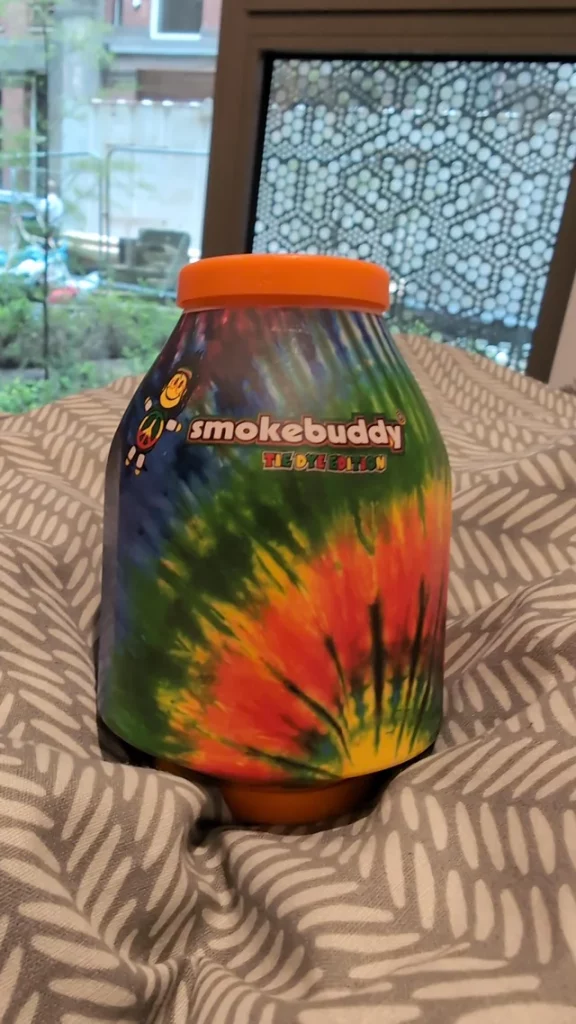
Not all personal air filters are equally well-suited for concentrate session use. The same factors that determine filter quality generally, activated carbon volume, filter design, and build quality, apply for dabbing, but a few additional considerations are relevant specifically for concentrate users.
Filter size matters more for regular concentrate users than it might for occasional flower smokers. The oily exhale from concentrate sessions wears filters differently than combustion smoke does, and a larger filter with more activated carbon provides more total capacity before saturation becomes a performance issue.
A standard or large-format filter is a better choice for daily or frequent concentrate use than a compact unit that would require more frequent replacement to maintain consistent performance.
What to Look for in Filter Construction
The internal construction of a personal air filter for dabs should be evaluated with concentrate use in mind. A filter that uses both activated carbon and ceramic bead technology is better suited to the aerosol content of concentrate vapor than an activated carbon-only design, because the ceramic bead layer adds secondary capture of the fine oil droplets and particulates present in a dab exhale. That secondary layer reduces how quickly those materials clog the activated carbon layer and extends consistent performance.
A personal filter for smoking concentrates should also have a housing construction that holds up to the slightly elevated temperatures and moisture content of concentrate vapor without degrading. Quality products use materials that are chemically stable under those conditions.
Flimsy or thin housing materials can warp or develop off-flavors over time when exposed to the warm, aromatic exhale from regular dabbing sessions. Build quality is a reliable indicator of whether a product was designed to hold up through real-world use or just to look functional out of the box.
Recycled and Sustainable Filter Options
For concentrate enthusiasts who care about the environmental footprint of their gear, filter materials and end-of-life disposal are worth factoring into a purchase decision.
An eco friendly air filter made from post-consumer recycled plastic reduces the demand for virgin plastic in the manufacturing process. Products designed for recyclability at end of life mean the housing can go through a recycling stream when the filter capacity is spent rather than adding to landfill waste.
The per-session environmental footprint of a filter also scales with how long it lasts. A higher-capacity filter that lasts through more sessions generates less waste per use than a compact filter that needs replacing more frequently.
For regular concentrate users who go through filters at a higher rate than occasional smokers, choosing a longer-lasting product with sustainable materials is a meaningful way to reduce the ongoing environmental impact of routine filter use.
Final Thoughts
A personal air filter for dabs is a practical and effective tool for reducing exhale odor during concentrate sessions. The activated carbon mechanism works on terpene-based vapor compounds with the same reliability it works on combustion smoke, and the result is a meaningfully cleaner exhale that reduces how much aromatic vapor reaches room air and surfaces during a session.
For anyone who dabs in shared spaces or values discretion, consistent filter use is the most direct available approach to managing that odor at its source.
The differences between concentrate vapor and combustion smoke are worth understanding because they affect technique, filter wear, and what supporting tools make the most sense alongside a personal filter.
Low-temperature dabs, controlled exhale pace, and moisture management between sessions all contribute to getting the most out of a filter in a concentrate context. Combined with ventilation and periodic surface cleaning, a personal air filter for dabs is the anchor of an odor management routine that actually holds up across regular use.
FAQs
Does a personal air filter work for dabs the same way it works for flower?
A personal air filter for dabs works through the same activated carbon adsorption mechanism as it does for flower smoking, capturing volatile organic compounds including terpenes from the exhale before they reach room air. The main practical differences are that concentrate vapor carries more residual oil content and moisture, which affects filter wear rate and technique considerations compared to flower use.
Will using a personal air filter eliminate all dab smell in a room?
A personal air filter captures the odor from the exhale, which is the primary source, but it does not address vapor that escapes from the nail or banger between hits. Combining filter use with good ventilation and periodic surface cleaning provides more complete odor control than the filter handles on its own.
How often should a personal air filter be replaced when used for dabs?
The oily residue in concentrate vapor can wear filters differently than combustion smoke, so resistance increase and odor breakthrough may occur before the rated use count is reached depending on usage intensity. Monitoring performance during sessions and replacing the filter when resistance increases or odor passes through is more reliable than relying on the use count alone.
Does a personal air filter affect the flavor of a dab exhale?
A personal air filter captures terpene compounds from the exhale along with other odor-causing molecules, which means some of the aromatic flavor character of the exhale is reduced as it passes through the filter. For sessions focused on flavor appreciation, exhaling the first portion of a dab unfiltered and the remainder through the filter is a compromise some concentrate users prefer.
What size personal air filter is best for regular concentrate use?
A standard or large-format personal air filter is more practical for regular concentrate use than a compact unit because the higher activated carbon volume provides more total capacity before saturation. Concentrate exhales wear filters somewhat faster than flower smoke due to the oily residue content, so more filter capacity per unit means fewer replacements over time for consistent daily use.
