What Is a Sploof: How This Simple Tool Keeps Smoke Odor Under Control

Table of Contents
Smoke odor is a problem that follows people around. It clings to furniture, seeps into walls, drifts under doors, and announces itself to anyone nearby before a session is even over. For smokers living in apartments, dorms, or shared spaces, that reality creates a genuine daily challenge. A sploof is the most direct answer to that challenge, and it works at the source rather than dealing with the aftermath.
So what is a sploof, exactly? At its core, a sploof is a personal exhale filter. A smoker exhales through one end of the device, the smoke passes through a filtering material inside, and the air that comes out the other end carries far less odor than what went in.
The concept is simple, but the effectiveness depends entirely on what the filtering material is made of and how well the device is engineered. Understanding those details is what makes it easy to separate the products that genuinely work from the ones that just look like they do.
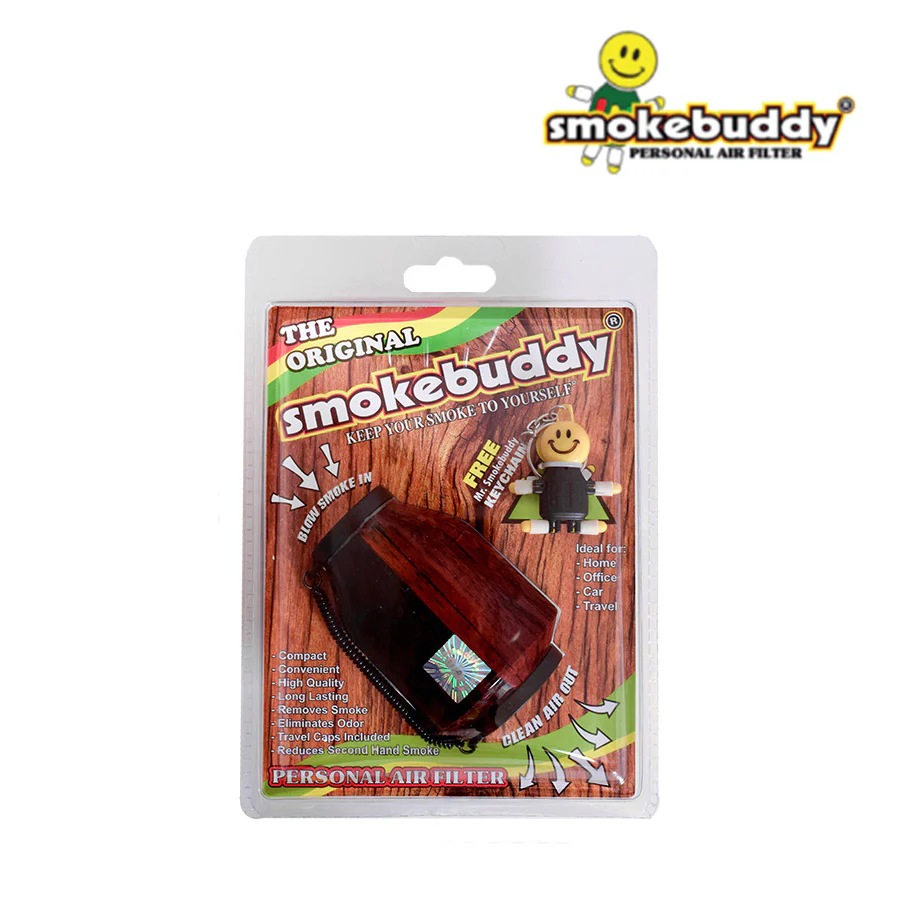
Pick up your personal air filter straight from Smokebuddy. This is a trusted brand for cutting down indoor smoke and odor. Use code SLY25 at checkout and take 25% off your order today.
The Problem a Sploof Is Actually Solving
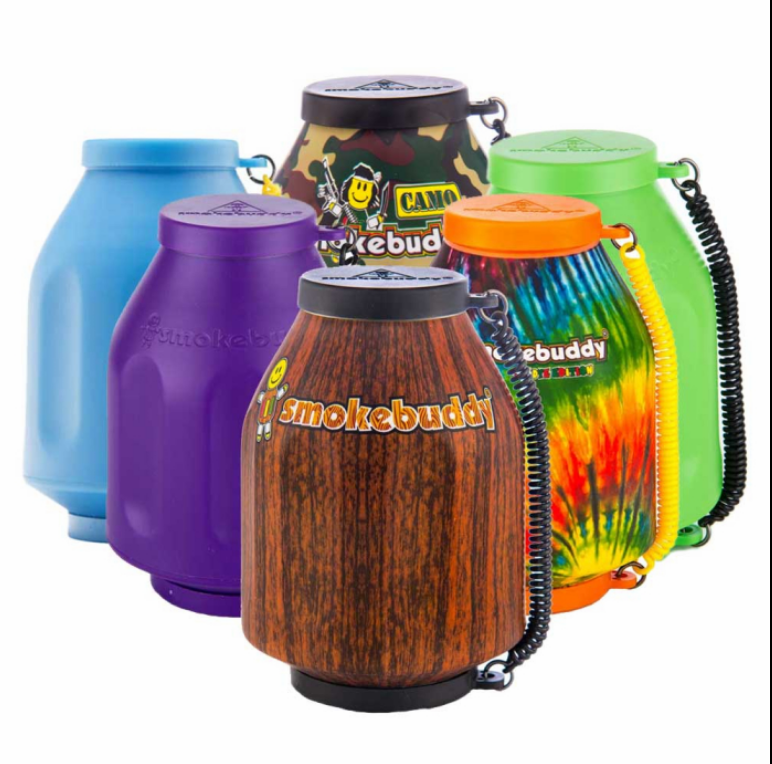
Smoke odor behaves differently than most people expect. It does not just float around a room until it disappears on its own. The particles and compounds in smoke actively bind to soft surfaces like fabric, carpet, and curtains, settle into drywall, and get pulled into HVAC systems where they travel through shared ventilation into neighboring units.
Even a short indoor session can leave a room smelling for hours or longer, especially in spaces with limited airflow and a lot of soft furnishings.
Most odor control methods focus on the ambient air in a room after the fact. Air purifiers filter what is already in the air. Sprays treat surfaces and airspace after smoke has dispersed. Candles and wax melts mask whatever odor is present with a stronger competing scent. All of these are reactive approaches that deal with smoke smell after it has already spread into the environment. A sploof takes a different approach entirely by targeting the exhale itself, before the odor ever enters the room air in the first place.
Why Targeting the Source Changes Everything
The exhale is the primary point at which smoke odor enters the surrounding environment during a session. Before any ambient smoke from a burning bowl or joint is even factored in, the exhaled breath alone carries a significant odor load from the compounds in the smoke that passed through the lungs.
A sploof intercepts that exhale and captures those compounds inside the filter rather than letting them disperse into the space. That upstream timing is the core advantage of a sploof compared to any solution that works on room air after the fact.
Personal air filters designed for this purpose work at the most logical intervention point in the entire odor chain. A room air purifier processing the ambient air in a space has to deal with smoke that has already spread across the full volume of the room. A sploof deals with the odor before it leaves the person's mouth, which is a far more efficient point of capture.
The result is that a well-made sploof, used consistently, meaningfully reduces the amount of odor that accumulates in a space over the course of a session compared to any after-the-fact solution alone.
The Shared Living Reality
The sploof exists largely because of shared living situations. Roommates, neighbors, building managers, and family members who do not smoke are the social reality that pushes a lot of smokers toward practical odor control tools.
A sploof makes it possible to smoke in a personal space without the odor becoming a shared problem, which is a genuinely useful thing in apartments, dorm rooms, and any environment where other people are present or nearby. The device does not make smoking invisible, but it meaningfully reduces the radius of odor impact during and after a session.
Beyond the social dimension, there is a straightforward air quality argument for using a sploof consistently. Every exhale of smoke into an enclosed room adds to the particulate and compound load in that space. Those materials settle on surfaces and accumulate over time in a way that occasional ventilation does not fully reverse.
A filter for smoking that captures the exhale at the source reduces that accumulation rate, which benefits air quality for everyone in the space, not just the person who is smoking.
How a Sploof Filters Smoke
The filtering mechanism inside a sploof is what determines whether the device actually works or just creates the impression of working.
This distinction comes down almost entirely to what material is doing the filtering work inside the device, and two options dominate the conversation: dryer sheet stuffed DIY versions, and activated carbon commercial products. The difference in how each one handles smoke odor is significant.
The DIY sploof has been around for decades. The classic version is a toilet paper roll or plastic bottle stuffed with dryer sheets and taped or capped at one end. Exhaling through it pushes smoke through the sheets, which add a laundry fragrance to the exhale. The result is smoke that smells more like fabric softener than pure smoke, which is masking rather than filtering.
Dryer sheets become saturated quickly and lose their masking ability fast, and at no point do they actually remove odor compounds from the airflow. They add a competing scent on top of what is already there and leave the underlying problem untouched.
What Activated Carbon Does to Smoke Odor
Commercial sploofs use activated carbon as the primary filtering material, and the performance difference compared to dryer sheets is not a matter of degree. It is a difference in how the process works at a chemical level.
Activated carbon is made from carbon-based materials processed to create an enormous internal surface area relative to its size. A single gram of activated carbon can have an internal surface area measuring thousands of square meters at the microscopic level, and all of that surface is available to capture odor molecules as air passes through it.
The process by which activated carbon removes odor is called adsorption, which is distinct from absorption. When something absorbs a compound, it soaks it into its volume the way a sponge takes in water. When something adsorbs a compound, the odor molecules chemically bond to the surface of the material and stay there.
When smoke is exhaled through a smoke filter built with an activated carbon core, the volatile organic compounds responsible for the odor bind to the carbon surface and are removed from the airflow permanently.
What exits the other end of the filter is air that has had those compounds extracted from it, not air that has been mixed with a masking fragrance.
Ceramic Bead Technology as a Secondary Layer
Some commercial personal air filters pair activated carbon with ceramic bead technology to improve overall filtration performance beyond what carbon alone delivers. Ceramic beads add a secondary filtration layer that targets particulates and additional contaminants alongside what the carbon is already capturing. The combination of the two materials produces more thorough filtration across a broader range of compounds, which is part of what gives well-engineered commercial sploofs a consistent performance level that DIY alternatives simply cannot reach.
The internal engineering of a sploof matters beyond just the materials. The airflow path through the filter, the density of the filtering medium, and the contact time between the exhaled air and the activated carbon all affect how much of the odor load gets captured per exhale. A well-designed filter maximizes the contact between air and carbon, which improves adsorption efficiency across the full lifespan of the unit.
A poorly designed one allows air to channel through gaps in the filtering medium, reducing contact time and leaving more odor in the exhale than there should be.
Sploof Sizes and Who Each One Is For
The commercial sploof market offers options across different size categories, and those size differences matter in practical terms. Size affects filter capacity, lifespan, portability, and which use cases the product is best suited for. Choosing the right size based on actual usage patterns is more important than most people realize going in.
Compact or junior-size sploofs are the smallest format in the category. They are designed to fit in a pocket, a purse, a jacket, or a small bag without adding bulk or drawing attention. The filter capacity inside a compact unit is proportionally smaller, which means the lifespan is shorter, typically rated around 150 uses or more depending on the product.
For someone who smokes occasionally, travels frequently, or needs a discreet option for situations away from home, a compact sploof fits the need cleanly without any wasted capacity.
The Standard Size and Why It Leads the Category
The standard or original size is the best-selling format in the sploof category, and that reflects how well it fits the most common use cases. A standard sploof is sized for everyday use in typical environments like apartments, dorm rooms, home offices, and vehicles.
It is large enough to carry a meaningful filter capacity, usually rated for 300 or more uses, without being bulky or inconvenient to keep at a dedicated spot. Most people who use a sploof regularly land on the standard size because it balances performance, lifespan, and convenience in a way that works across a wide range of situations.
A personal filter for smoking in the standard size format also tends to represent the best value per use in the product lineup. The filter lasts long enough that replacement frequency stays manageable, the size is easy to handle and store, and performance is consistent across the full lifespan before saturation sets in.
For someone building a regular odor control routine, the standard size is the most practical starting point and the format most people stick with once they try it.
Heavy-Use and Large-Format Options
Large or mega-size sploofs are built for situations where a standard unit would wear out too quickly to be practical. Group settings, shared apartments where multiple people smoke regularly, or individual heavy daily users are the scenarios where the larger format makes the most sense.
The filter capacity in a large-format unit is significantly higher, and the lifespan extends well beyond what a standard unit offers before the activated carbon becomes saturated enough to affect performance.
The per-use cost on a large-format sploof is typically lower than replacing standard units more frequently, which makes the higher upfront price reasonable for anyone whose usage level warrants it. The trade-off is size and portability. A large sploof is not designed to travel. It belongs in a room or a fixed space and serves that location consistently.
For the specific use cases it is built for, that is exactly the right format, and trying to stretch a compact or standard unit through heavy daily group use leads to faster-than-expected replacement cycles.
Material and Environmental Considerations
The materials a sploof is made from matter beyond just filtration performance. As consumer awareness around sustainability has grown, the materials used in the housing and core of personal air filters have become a factor in purchasing decisions alongside effectiveness and price. This shift reflects a broader change in how people think about the products they buy and use regularly.
Products made from post-consumer recycled plastic reduce the demand for virgin plastic in new products. Some manufacturers have also designed their sploofs to be recyclable at end of life, meaning the plastic housing can go through a recycling stream rather than heading straight to landfill when the filter capacity is used up.
An eco friendly air filter that accounts for both what it is made from and what happens to it after use represents a more complete approach to product design for consumers who care about that dimension of what they buy.
How Filter Lifespan Connects to Waste
Filter lifespan connects directly to how much material a person cycles through over time. A sploof rated for 300 uses generates significantly less waste per session than one rated for 50 uses, even if both products are similar in size. For regular users, the lifespan difference between a well-built commercial filter and a cheaper product with lower capacity adds up meaningfully over the course of a year in terms of how many units are purchased and discarded.
Choosing a product with a longer lifespan is a practical sustainability decision alongside being a financial one. Fewer replacements mean less packaging waste, less plastic going to landfill, and less resource use associated with manufacturing and shipping replacement units.
For someone who smokes regularly and uses a sploof as a consistent part of their routine, the lifespan rating of the filter is worth factoring into the purchase decision, not just the sticker price.
Paper-Based Filter Alternatives
Some products in the personal filter space use paper-based filtration media rather than plastic-housed activated carbon systems. A paper based filter design typically uses layers of treated paper or similar materials to capture odor compounds from the exhale.
The environmental profile of paper-based options can be more favorable at end of life since paper is biodegradable where plastic is not, which matters to consumers who are specifically prioritizing that dimension. The filtration performance and lifespan of paper-based products vary by design and may differ from what a well-engineered activated carbon unit delivers.
For consumers who prioritize environmental impact above other factors, paper-based filter options are worth considering.
For those who prioritize filtration performance and long lifespan per unit, activated carbon remains the more proven material with a longer track record in commercial applications. Both formats address the same core problem, and the right choice depe
Using a Sploof Correctly
A sploof is a straightforward tool, but how it is used in practice affects how well it performs. A few consistent habits make a real difference in odor control results and also extend the lifespan of the filter. None of these adjustments are complicated, but they are worth building in from the start.
The most important habit is exhaling fully and steadily through the sploof rather than in short, pressurized bursts. A fast, forceful exhale reduces the contact time between the exhaled air and the activated carbon inside the filter. Less contact time means less adsorption and more odor passing through to room air.
A controlled, measured exhale, paced somewhere between a slow breath and a normal exhale rate, gives the carbon material the time it needs to capture what is coming through and keeps filtration efficiency high across each session.
Forming a Proper Seal
The seal between the lips and the intake end of a sploof determines how much of the exhale actually passes through the filter versus escaping around the edges. If the seal is loose, a portion of the exhale reaches room air completely unfiltered, which directly reduces the odor control benefit.
A firm seal at the intake end ensures the full exhale goes through the activated carbon rather than bypassing it. This is a small adjustment that has a direct and noticeable impact on how well the sploof controls odor.
Consistency in exhale technique also extends the lifespan of the filter. An uneven or pressurized exhale introduces excess moisture into the filter medium and concentrates wear on specific areas of the carbon layer, which can reduce effective lifespan below the rated number of uses.
A steady, consistent exhale distributes the filtration load more evenly across the activated carbon and helps the filter maintain full performance for longer before saturation begins.
Knowing When to Replace the Filter
A sploof that has reached the end of its useful life is no longer providing meaningful odor control, even if it is still physically intact. The activated carbon has a finite adsorption capacity, and once that capacity is used up, odor compounds pass through without being captured.
The two clearest practical signs that a filter is spent are noticeably more resistance when exhaling, which happens as the carbon pores become clogged over time, and odor in the exhale that was previously being removed by the filter.
Replacing the unit before performance has completely dropped off maintains consistent odor control across sessions. Waiting until the filter is fully spent means there will be a period of under-filtered sessions before a replacement is in use. Regular users benefit from keeping a backup unit on hand so there is no gap in coverage when one filter reaches the end of its rated lifespan.
Final Thoughts
A sploof is a focused tool for a specific and common problem. Smoke odor spreads fast, settles into surfaces, and travels further than most people realize until they start paying close attention to where it ends up.
Working at the point of exhale rather than trying to clean up afterward puts a sploof in the most effective position in the odor control process, and a well-made one with an activated carbon core delivers results that reactive solutions simply cannot match during an active session.
The difference between a dryer-sheet stuffed toilet paper roll and a commercial product built with proper filtration materials is real and significant in practice. Understanding what a sploof is, how the filtration actually works, and what size and format fits a given situation makes it straightforward to choose the right product and get consistent results from it. Odor control does not need to be complicated, and a quality sploof makes it as simple as it should be.
FAQs
What is a sploof and what is it used for?
A sploof is a personal exhale filter used to reduce smoke odor at the source. When a person exhales smoke through a sploof, the air passes through a filtering medium inside the device, typically activated carbon, that captures odor-causing compounds through a process called adsorption.
Is a homemade sploof as effective as a commercial one?
A homemade sploof made with dryer sheets provides limited odor control compared to a commercial product built with activated carbon. Dryer sheets work by adding a masking fragrance to the exhale rather than removing odor compounds from the airflow, and they become saturated and ineffective relatively quickly with regular use.
How long does a sploof typically last?
Sploof lifespan depends on the size of the filter and how frequently it is used. Compact models are typically rated for around 150 or more uses. Standard-size models are generally rated for 300 or more uses.
Can a sploof get rid of all smoke smell in a room?
A sploof captures a significant portion of the odor from the exhale, which is the primary source of smoke smell during a session, but it does not eliminate every trace of smoke odor in a space. The burning material itself releases some smoke between hits, and residual odor can still accumulate on surfaces over time.
Does the size of a sploof affect its filtration performance?
Size affects filter capacity and lifespan more than immediate filtration performance per exhale. A compact and a standard-size sploof may remove a similar proportion of odor per exhale when both are new, but the compact unit reaches the end of its lifespan faster because of the smaller volume of activated carbon inside.
