How to Remove Weed Smell in Car: Tips That Actually Eliminate Odor
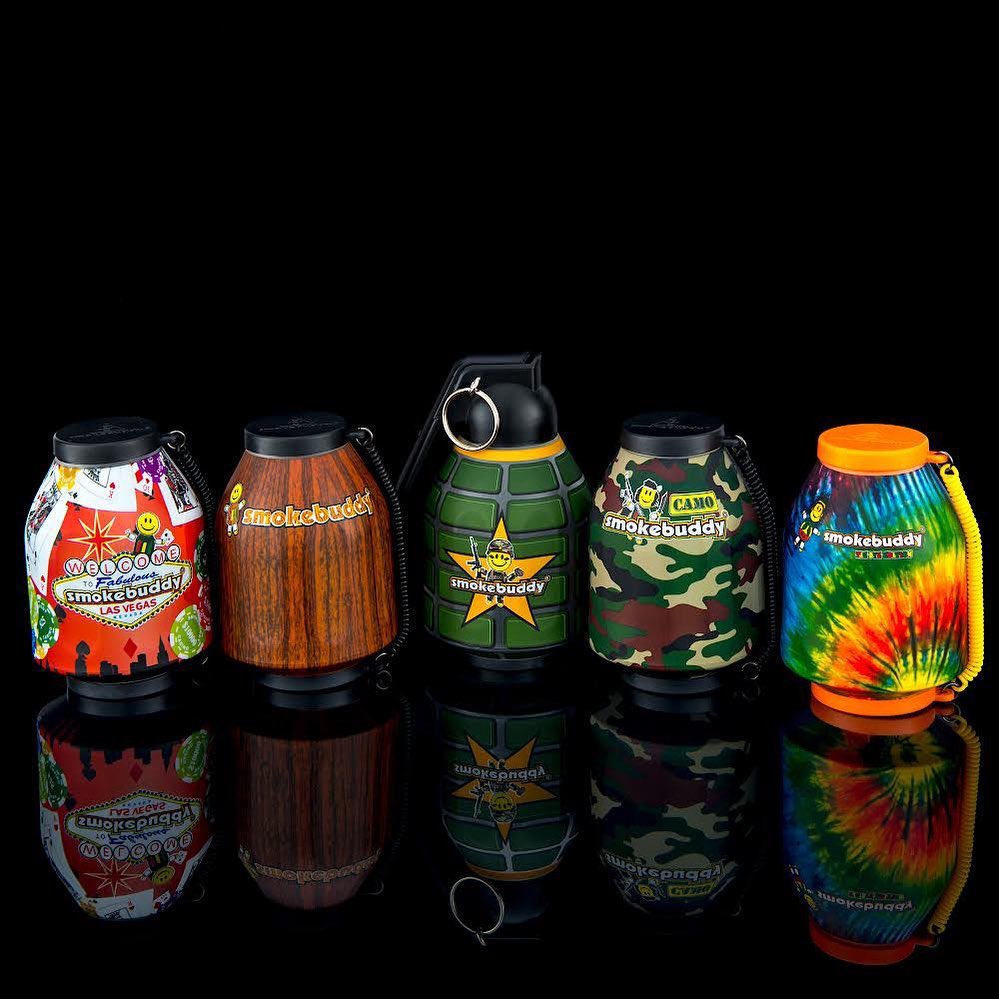
Table of Contents
Weed smell in a car is one of those problems that sneaks up on people. One session with the windows cracked feels harmless in the moment, but smoke compounds do not just float away.
They settle into seat fabric, headliners, carpet, and door panels, and the smell that seemed manageable right after a session turns into something that greets everyone who opens the door days later.
Cars are especially challenging for odor removal because the interior is a small, enclosed space with a lot of porous surfaces and limited airflow when parked. Smoke from a single session can saturate a car's interior in a way that the same session in a larger room would not.
Getting rid of weed smell in a car requires understanding where the odor is actually coming from, which methods genuinely remove it versus just covering it temporarily, and how to prevent it from building back up. This guide covers all of it.
Don't wait to get your indoor air under control. Head over to Smokebuddy, the go-to brand for reducing smoke and odor, and use code SLY25 to save 25% on your order today.
Why Weed Smell Sticks to Car Interiors So Stubbornly
The reason weed smell in a car is so persistent comes down to the chemistry of smoke and the materials inside a vehicle. When cannabis is smoked, it produces a complex mixture of volatile organic compounds, fine particulates, and resin-containing aerosols.
These compounds do not just stay suspended in air. They actively seek out and bond to surfaces, particularly porous and fibrous ones, which describes most of a car's interior almost perfectly.
Car seats, whether cloth or the foam underneath, are highly absorbent. Headliners, which are the fabric-covered panels on the ceiling of a car, are among the worst offenders because smoke rises and lingers at the top of the cabin before dispersing. Carpet, floor mats, and door panel upholstery all trap odor compounds the same way. Even hard surfaces like the dashboard and center console accumulate a thin film of smoke residue over time that contributes to the ambient smell in the car.
The Role of Ventilation and Temperature
Ventilation during a session makes a significant difference in how much smoke accumulates inside a vehicle, but it does not eliminate odor buildup entirely. Even with windows down or cracked, the interior air is exchanged slowly enough that a meaningful portion of exhaled smoke still contacts and bonds to interior surfaces.
A car parked in the sun after a session will actually smell worse than one parked in the shade, because heat causes the volatile compounds trapped in upholstery and carpet to off-gas more rapidly into the cabin air.
Temperature works in both directions for weed smell in a car. Heat drives odor compounds out of surfaces and back into the air, which is why a hot car after a session can smell significantly stronger than it did right after smoking.
Cold temperatures tend to suppress off-gassing, which can make a car smell better in winter without the odor actually being gone. Understanding this dynamic explains why treatments need to address the compounds embedded in surfaces rather than just masking what is in the cabin air at a given moment.
How Odor Compounds Build Up Over Time
A single session in a car produces less embedded odor than repeated sessions over time, but the chemistry works the same way either way. Each session adds another layer of smoke compounds to the surfaces inside the vehicle.
Over multiple sessions, the odor load in upholstery and carpet accumulates to the point where the car smells even when no one has smoked in it recently. That accumulated buildup is what most people are dealing with when weed smell in a car becomes a persistent problem rather than a temporary one.
The headliner is particularly vulnerable to this kind of buildup because it is often the surface closest to where smoke concentrates during a session, and it is also the surface most people clean least often.
Car headliners are usually glued to a foam backing, which limits how aggressively they can be cleaned without risking damage to the adhesive. That structural limitation means the headliner tends to hold onto odor longer than other surfaces and requires careful treatment to address without creating a separate problem.
Odor Absorbers and What Actually Works
After surface cleaning, odor absorbers placed in the car help address residual odor as embedded compounds continue to slowly off-gas from surfaces over time. The effectiveness of odor absorbers varies significantly by material, and the difference between products that genuinely absorb odor and those that just add fragrance is worth understanding before choosing one.
Activated carbon is the most effective passive odor absorber available for this purpose. Activated carbon bags or containers placed in the car continuously adsorb volatile organic compounds from the cabin air through the same adsorption mechanism that makes personal air filters effective for exhale filtration.
The carbon captures odor molecules as they off-gas from surfaces and holds them, reducing the ambient odor level in the car over time without adding any competing fragrance.
Activated carbon absorbers need to be replaced or regenerated periodically, typically by placing them in direct sunlight for a few hours to drive off some of the adsorbed compounds and restore surface capacity.
Baking Soda for Fabric Surfaces
Baking soda is a legitimate odor absorber for fabric surfaces and works through a different mechanism than activated carbon. Baking soda is alkaline and neutralizes some of the acidic odor compounds in smoke residue through a chemical reaction rather than adsorption.
Sprinkling baking soda generously on car seats and carpet, allowing it to sit for several hours or overnight, and then vacuuming it out removes a meaningful amount of embedded odor from fabric surfaces. It is not as potent as enzymatic cleaning for heavily saturated surfaces, but it is a practical maintenance step and a useful supplement to more intensive cleaning.
For weed smell in a car that is moderate rather than severe, baking soda combined with activated carbon absorbers and good ventilation can produce a noticeable improvement without requiring a full deep clean.
For persistent or severe odor from long-term buildup, these passive methods work best as follow-up steps after surface cleaning rather than as the primary treatment.
What to Avoid
Fragrance sprays, car air fresheners, and scented products marketed as odor eliminators do not remove weed smell from a car. They add a competing fragrance to the cabin air that masks odor temporarily while the actual compounds remain embedded in surfaces.
Once the fragrance dissipates, the weed smell returns because nothing that was causing it has been addressed. In some cases, layering multiple fragrance products on top of embedded odor creates a worse overall smell than the original problem.
Ozone generators are sometimes marketed for odor elimination in vehicles and can be effective at high concentrations, but they require the vehicle to be unoccupied during treatment and for a period afterward because ozone at high concentrations is harmful to breathe. They are better suited to professional detailing contexts than to routine odor management.
For most situations involving weed smell in a car, enzymatic cleaners, activated carbon absorbers, and thorough surface cleaning produce reliable results without the risks associated with ozone treatment.
Preventing Weed Smell from Building Back Up

Removing existing odor is half the equation. Preventing it from accumulating again after a session is the other half, and it is where the right tools make the biggest practical difference. The most effective prevention strategy addresses odor at the source rather than managing it after the fact.
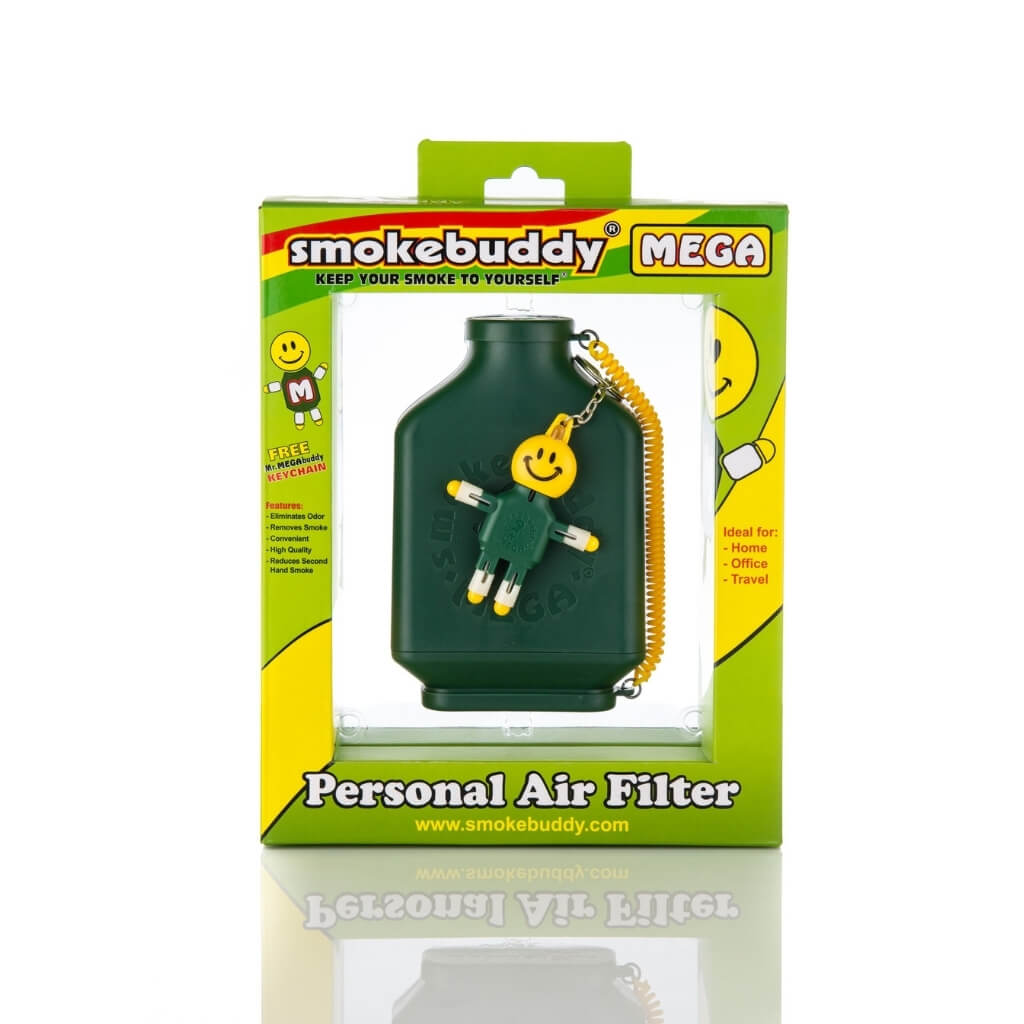
A personal exhale filter is the most direct prevention tool available. When smoke is exhaled through a filter for smoking rather than directly into the car's interior air, the odor load that reaches the car's surfaces is reduced substantially.
The activated carbon inside the filter captures a significant portion of the volatile compounds from the exhale before they ever contact the seat fabric, headliner, or carpet. Over multiple sessions, the difference in surface accumulation between a car where filters are used consistently and one where they are not is significant.
Keeping a Window Open During Sessions
Ventilation during a session reduces the concentration of smoke that contacts interior surfaces before it can be exchanged for outside air. Keeping at least one window fully open rather than just cracked creates a meaningful airflow that dilutes the smoke concentration inside the cabin.
The ambient odor that settles into surfaces is proportional to the concentration of smoke in the cabin air, so lower concentration during the session means less accumulation per session over time.
Combining active ventilation during the session with an exhale filter addresses both the exhaled smoke and the ambient smoke from a burning bowl or joint. A smoke filter handles the exhale, which is the primary source of odor during a session.
Open windows handle the residual ambient smoke that a personal filter cannot capture. Together, these two habits reduce the odor load that reaches car surfaces more than either approach does on its own.
Regular Maintenance Cleaning
A car that receives regular light cleaning stays ahead of odor buildup rather than playing catch-up after it has already accumulated. Wiping hard surfaces down with an interior cleaner after sessions and periodically applying baking soda to fabric surfaces before vacuuming keeps the odor level from escalating over time.
Replacing the cabin air filter on a regular schedule rather than waiting until odor becomes a problem maintains clean airflow through the HVAC system.
A personal filter for smoking used consistently during every in-car session is the single habit that makes the biggest long-term difference in how much maintenance cleaning is needed.
The less odor that embeds in surfaces during each session, the less work is required to keep the car smelling clean between sessions. Prevention is consistently easier and less labor-intensive than remediation once odor has built up to a noticeable level.
When to Consider Professional Detailing
For cars with severe, long-term weed smell built up over many sessions across months or years, professional detailing may be the most practical starting point.
Professional detailers have access to steam cleaners, ozone generators, and high-concentration enzymatic treatments that are more powerful than consumer products and can address deeply embedded odor that surface-level home cleaning does not fully reach.
Steam cleaning is particularly effective for car upholstery because the heat and moisture penetrate deeper into fabric and foam than most liquid cleaning products applied manually. Steam disrupts the bonding of odor compounds to fabric fibers and makes them easier to extract during the cleaning process.
Combined with enzymatic treatment and thorough drying, professional steam cleaning can address weed smell in a car that has resisted repeated home cleaning attempts.
Seat Covers and Odor Barriers
After a professional clean or a thorough home cleaning, seat covers provide a barrier between skin and smoke and the underlying upholstery during future sessions. Removable, washable seat covers can be taken out and cleaned regularly, which keeps the permanent upholstery underneath from accumulating a new odor load.
This is a practical option for frequent in-car smokers who want to protect a car interior they have already invested in cleaning.
An eco friendly air filter used for exhale filtration during sessions in a covered-seat car creates a layered prevention approach. The filter handles exhaled odor. The seat cover protects the upholstery from direct smoke contact.
Regular washing of the cover removes the portion of the odor load it does intercept before it can transfer to the seat foam underneath. Each layer addresses a different part of the problem and reduces what the other layers need to handle.
Final Thoughts
Weed smell in a car is a solvable problem when the right methods are used in the right order. Ventilation clears the air. Surface cleaning removes embedded compounds. Activated carbon absorbers address residual off-gassing.
And consistent use of an exhale filter during sessions prevents the odor from building back up after all that work. None of these steps on their own is a complete solution, but used together they address every part of where the odor comes from and how it accumulates.
The key distinction throughout is between eliminating odor and masking it. Fragrance-based products cover up the smell temporarily.
Enzymatic cleaners, activated carbon, and proper surface cleaning actually remove what is causing it. Knowing the difference makes it possible to choose methods that produce lasting results rather than ones that require constant reapplication to maintain the illusion of a clean-smelling car.
FAQs
What is the fastest way to get rid of weed smell in a car?
The fastest way to reduce weed smell in a car is to open all doors and air the vehicle out completely, then apply an enzymatic odor eliminator directly to fabric surfaces like seats and carpet. Ventilation clears the cabin air while the enzymatic cleaner starts breaking down the odor compounds embedded in upholstery.
Does Febreze remove weed smell from a car?
Febreze and similar fragrance-based products mask weed smell temporarily but do not remove the odor compounds embedded in car surfaces. Once the fragrance wears off, the weed smell returns because the underlying cause has not been addressed.
How long does weed smell stay in a car?
Weed smell in a car can linger for days to weeks depending on how much smoke was in the vehicle and how porous the interior surfaces are. Without active treatment, the smell does not disappear on its own at a rate most people would find acceptable.
Does smoking with the windows down prevent weed smell in a car?
Smoking with the windows down reduces how much smoke contacts interior surfaces but does not prevent odor buildup entirely. Combining open windows with an exhale filter during sessions significantly reduces how much odor accumulates per session.
Can a car air freshener eliminate weed smell?
A car air freshener adds fragrance to the cabin air but does not remove the odor compounds causing the weed smell. For a lasting result, surface cleaning and activated carbon odor absorbers are necessary alongside or instead of fragrance products.
