Kratom vs THC: What is the Difference?
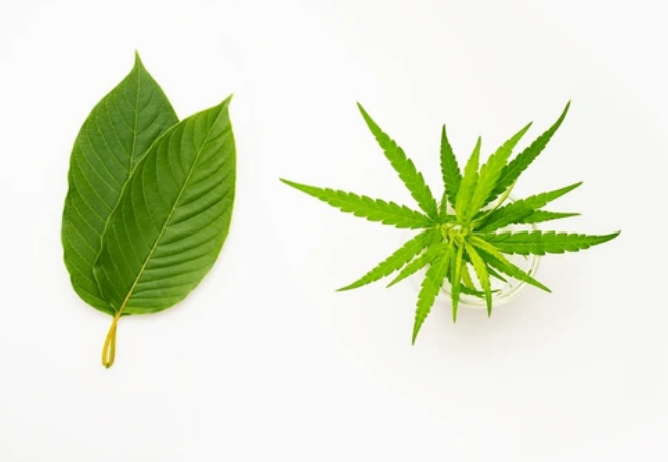
Table of Contents
The conversation around kratom vs THC has grown louder as more people explore plant based products and compare how they differ in structure, purpose, and general use. These two items might show up in the same discussions, but they come from different regions, have different chemical profiles, and interact with the body in unique ways.
As interest grows, many within the community want straightforward information that lays out what separates these two without confusion or dramatic language. A calm look at their differences helps users understand what each one brings to the table.
Even though kratom and THC appear in the same circles, they do not play the same role. Kratom is tied to leaf material from a Southeast Asian tree, while THC is tied to the cannabis plant. Their chemical behaviors, production methods, and common uses do not line up in a direct comparison.
Understanding these differences creates a better picture for users who want clarity rather than hype. A simple breakdown helps highlight what actually matters when comparing kratom vs THC.
Sticking with dependable choices, you should check out Tusk Kratom. Even at full price, they deliver, and SLYNG_25 knocks 25% off your next buy.
How Plant Origin Shapes the Kratom vs THC Discussion
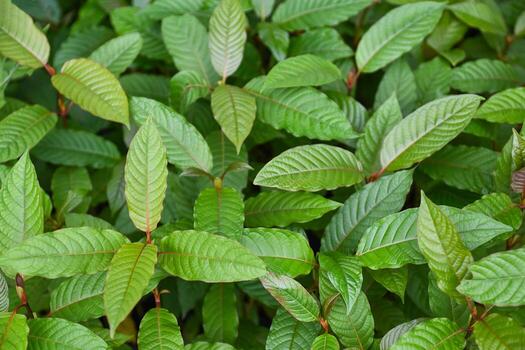
Plant origin influences everything from chemical structure to user expectations. The kratom vs THC comparison begins with two plants that developed in completely different parts of the world. Kratom comes from the Mitragyna speciosa tree native to Thailand, Indonesia, and Malaysia. THC comes from cannabis plants that grow widely across Asia and have spread globally. Their separate histories shape their modern uses and have led to very different product markets.
These origins affect how both plants are cultivated, harvested, and processed. Kratom leaves are picked at various maturity levels to influence alkaloid structure.
Cannabis plants are grown with specific strains bred for particular THC profiles. The growing conditions shape chemical strength and the way each product is traditionally used. Comparing kratom vs THC becomes easier when origin differences are understood clearly.
Regional Growth Conditions Influence Alkaloids
The region where premium kratom grows influences its leaf maturity, alkaloid distribution, and final character. Hot and humid climates create favorable conditions for leaf development. These factors shape the main alkaloids found in kratom.
THC, on the other hand, is tied to trichome development in cannabis flowers. Climate, soil, and light exposure affect how much THC appears in the plant. These differences highlight why the kratom vs THC comparison cannot rely on simple assumptions.
Regional conditions also affect how these plants are processed. Kratom leaves are dried, ground, and sometimes extracted. Cannabis flowers go through trimming, curing, and extraction for concentrated THC products. These distinct processes create different end products and contribute to how each substance behaves when used.
Harvest Styles and Final Composition
Kratom leaves are harvested based on leaf age. Younger leaves contain different alkaloid balances than older leaves.
Cannabis harvesting focuses on flower maturity, resin development, and terpene preservation. These different methods influence what the final product will feel like. This makes the kratom vs THC comparison more about chemistry and preparation rather than strength alone.
Harvest decisions also affect final product reliability. Consistency in leaf selection and drying helps kratom maintain steady profiles. Consistency in cannabis curing helps THC stay stable. Understanding these differences removes some of the confusion about how these products are made.
Drying and Curing Create Different End Products
Drying and curing practices differ heavily. Kratom leaf drying influences alkaloid distribution.
Cannabis curing influences THC stability and terpene preservation. These steps shape how each product behaves once processed.
Kratom often becomes powder or extract. THC becomes flower, resin, oil, or edible products. These end products show the wide separation between kratom vs THC.
Chemical Structure Differences Between Kratom and THC
Chemical structure is one of the biggest distinctions between kratom vs THC. Kratom contains alkaloids such as mitragynine and 7 hydroxymitragynine. THC, or delta 9 tetrahydrocannabinol, belongs to a cannabinoid family. These compounds interact with different receptors in the body. Alkaloids act differently than cannabinoids, and their behaviors cannot be compared as if they were similar.
Kratom alkaloids influence the body in a specific manner that does not mirror THC. THC binds to cannabinoid receptors while kratom binds differently. These structural differences shape why users approach these substances for different reasons. Understanding the chemistry behind both plants helps create a grounded picture of the kratom vs THC conversation.
Kratom Alkaloids Behave Differently Than Cannabinoids
Kratom contains many alkaloids, with mitragynine being the most common. These alkaloids interact with the body differently than THC. Cannabinoids have their own pathway. This is why kratom does not produce the same type of psychoactive effect associated with THC. The kratom vs THC comparison should always keep these chemical distinctions in mind because misunderstanding them leads to incorrect assumptions.
Alkaloids respond to different biological targets. Cannabinoids focus strongly on the endocannabinoid system. This separation in biological activity becomes one of the clearest ways to show that kratom and THC do not fall into the same category.
Cannabinoid Binding Creates Unique Outcomes
THC works through CB1 and CB2 receptor binding. Kratom does not engage these receptors in the same way. This explains why the experience of kratom and the experience of THC cannot be directly compared. Kratom vs THC discussions sometimes attempt to put both substances in the same box, but the chemical reality shows otherwise.
Because cannabinoid binding is well defined, THC products follow predictable patterns when prepared correctly. These patterns differ significantly from how kratom behaves in the body. That distinction plays a major role in understanding why users choose one over the other for different purposes.
Extracts Reflect These Chemical Differences
Extraction reveals chemical differences clearly. Kratom extracts rely on isolating alkaloids from leaf material. THC extracts rely on isolating cannabinoids from flowers and resin.
These extraction methods use different temperatures, solvents, and refinement stages. This makes extract comparisons an important part of any kratom vs THC discussion because extract quality reflects the chemical base of each plant.
Extract formats have expanded across the kratom market. Many examples appear in the form of kratom extract gummies, concentrated liquids, powders, and enhanced blends.
THC extracts include oils, wax, shatter, and edibles. These differences highlight distinct chemical identities and product behaviors.
Comparing Product Types in the Kratom vs THC Market
Product availability helps users understand how different these two categories are. Kratom appears in powders, teas, extracts, and blend formats. THC products appear in flower, concentrates, vape oils, gummies, and tinctures. Even though both markets carry gummies and extracts, their chemical structures create products that behave differently. This is why the kratom vs THC comparison requires separation between form and function.
When comparing the variety of options, kratom users often explore powders, blends, and extracts. Some examine capsules such as kratom extract capsules, which offer measured extract content. THC users see a separate landscape with disposable devices, cured flowers, extracts, and edibles. The difference in product ranges reveals how separate these markets are despite surface similarities.
Kratom Products Focus on Leaf Based Formats
Most kratom items start as leaf material. They appear as powders, teas, capsules, and enhanced blends. Extract formats also exist, such as tinctures, shots, and kratom extract options designed to concentrate alkaloids. These products reflect the way kratom is traditionally used. They highlight leaf based preparation rather than resin based preparation.
The market also includes kratom extract gummies, which offer extract in convenient servings. These gummies rely on concentrated alkaloids and clean filtration. Powder users sometimes compare their experience with gummies to understand extract strength. These comparisons offer additional insight into consistency.
THC Products Center Around Flower and Resin
THC products start with cured cannabis flowers. From there, THC concentrates and edibles are produced. Vape cartridges, oils, and distillates appear widely. These formats rely on cannabinoid extraction rather than leaf processing. This creates a product market that behaves differently from kratom’s powder dominated landscape.
The broad range of THC products reflects demand for resin based formulations. This makes the kratom vs THC comparison clearer because the preparation methods differ on a foundational level.
Both Markets Offer Extracts but With Different Goals
Extraction is the one area where both markets overlap in format type. However, the goals differ. Kratom extracts focus on increasing alkaloid concentration and simplifying use.
THC extracts focus on capturing cannabinoids and terpenes while maintaining purity. These separate objectives highlight why kratom vs THC extract comparisons cannot rely solely on product names.
Kratom products such as powders, blends, capsules, and best kratom products based on extract offer a wide range of options for leaf based users. THC products cater to a very different usage pattern. Understanding both markets helps show how product variety contributes to the differences between these two substances.
How Users Typically Approach Kratom vs THC
Community behavior shows another major difference in the kratom vs THC conversation. Kratom users often look for consistency and plant based balance in powder or extract form. THC users often look for sensory experiences connected to cannabinoids. These separate motivations influence which products users choose and how they structure their routines.
Kratom routines differ significantly from THC routines. Powder measuring, tea preparation, and extract usage all display a unique pattern in the kratom world. THC routines often involve inhalation, edible consumption, or vapor based formats. Understanding user patterns helps break down the real world distinctions between kratom vs THC.
Powder Users Track Leaf Profiles Closely
Kratom powder users often rely on leaf attributes such as maturity, grind consistency, and blend structure. They look at how different leaves combine to create balanced profiles. They even compare products across different categories of kratom products to evaluate consistency.
Users who prefer powders sometimes compare their powder experience with extract formats to see if they align. These comparisons help refine selection without mixing THC into the conversation, which shows how kratom use stands on its own.
THC Users Focus on Strains and Effects
THC users usually look for specific strains that deliver expected cannabinoid and terpene profiles.
They select based on potency, resin production, or expected character. These factors shape their experience differently than the kratom community. This makes the kratom vs THC comparison clearer because these users approach plant products with separate expectations.
Strain libraries in the THC market differ significantly from kratom strain naming, which often reflects leaf color rather than cannabis style strain categorization.
Extract Users Compare Potency and Formulation
Users in both communities compare extract potency. This creates overlap in how people evaluate purity and consistency.
Kratom extract users often focus on alkaloid potency, filtration, and thickness.
THC extract users focus on cannabinoid concentration and terpene presence. These separate criteria show that the kratom vs THC discussion cannot treat extract potency as a shared measurement.
Kratom vs THC in Legal and Regulatory Contexts
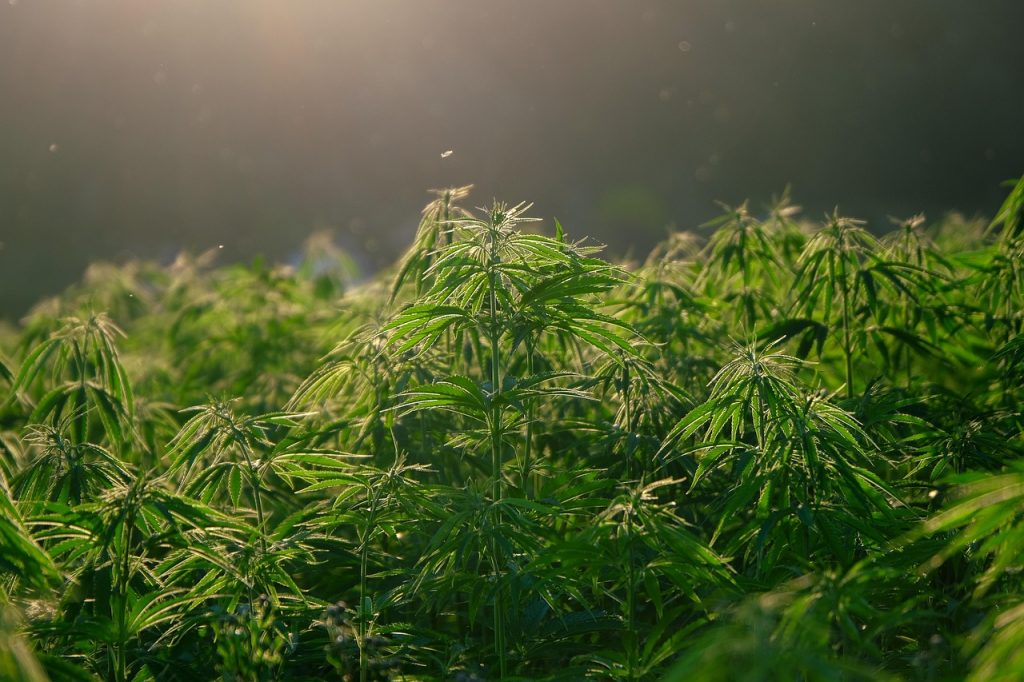
One of the most important differences between kratom vs THC appears in their regulatory treatment. THC remains regulated differently across states. Kratom holds a patchwork of regulations depending on location. Their legal handling reflects their different chemical structures and plant backgrounds.
The differences in oversight influence how each product reaches the market. These regulatory frameworks give insight into why these products do not follow the same rules or function within the same distribution networks.
THC Is Often Regulated Like a Controlled Substance
THC is regulated heavily because of its psychoactive structure. States often place strict rules on distribution, sale, and possession. This makes THC product access dependent on local laws. The level of regulation has shaped how THC is marketed and sold. These restrictions influence how users obtain THC and how products are labeled.
This regulatory environment creates another distinction within the kratom vs THC comparison. Kratom does not fall under cannabis laws because it does not contain cannabinoids.
Kratom Holds a Different Legal Status
Kratom regulations differ across states and counties. Some places allow open sale. Others restrict or limit it. These local policies exist because kratom has its own background separate from cannabis. Kratom does not get categorized as a cannabis product and does not fall under the same THC regulations.
Because kratom follows its own rules, kratom users explore powders, extracts, and blends independently. This separation highlights how structurally different kratom vs THC truly are.
Packaging and Testing Requirements Differ
Testing requirements differ heavily. THC products often require detailed potency testing and cannabinoid breakdowns. Kratom products such as kratom extract, powders, capsules, and blends often rely on voluntary testing standards depending on location. The way testing is handled affects how users compare products. This shows another clear separation in the kratom vs THC conversation.
Final Thoughts
The kratom vs THC discussion highlights two very different plant based substances with distinct chemical identities, product landscapes, and user patterns. Kratom revolves around leaf material, alkaloid structure, and powder based formats.
THC revolves around cannabinoids, resin production, and inhaled or edible formats. Their extraction styles, legal pathways, and market behaviors differ in almost every category.
Understanding these distinctions gives users a clear view of how these two substances stand apart without mixing the facts or confusing their roles in the plant community.
FAQs
What is the main difference between kratom vs THC?
The main difference comes from chemical structure. Kratom contains alkaloids, while THC contains cannabinoids. Their plant origins, processing methods, and biological behavior differ completely.
Do kratom and THC come from the same type of plant?
No. Kratom comes from a Southeast Asian tree, while THC comes from cannabis plants. Their growth conditions, harvesting styles, and final products are not the same.
Are kratom and THC used for similar purposes?
Not usually. Kratom is used in powder and extract formats for plant based routines. THC is used for cannabinoid based experiences. Their intended uses differ widely.
Do kratom and THC look similar in product form?
Not often. Kratom appears mainly as powder, capsules, and extracts. THC appears as flower, vape products, concentrates, and edibles. The product lines do not match closely.
Can kratom and THC be compared by strength?
No. Alkaloid strength and cannabinoid potency cannot be compared directly. They rely on separate chemical systems, making comparisons inaccurate.
