Kratom and Alcohol: Interesting Things to Know
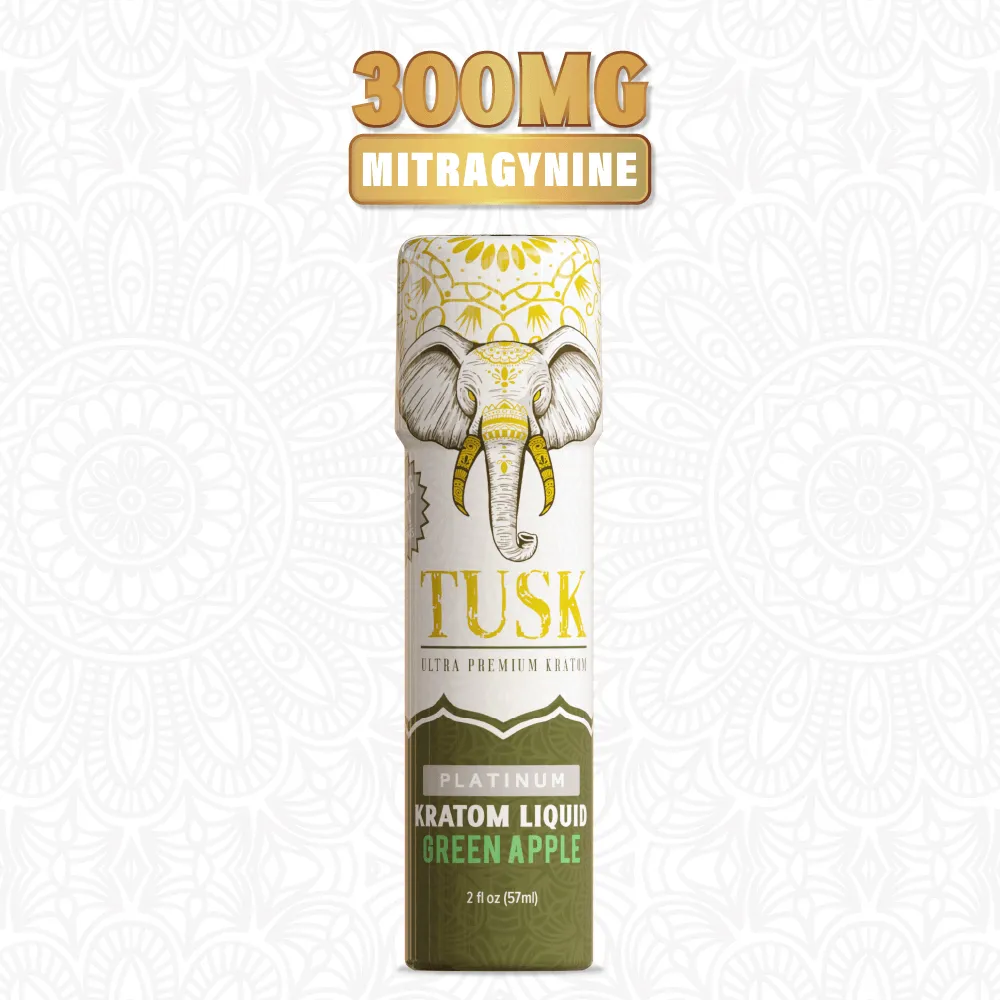
Table of Contents
Combining substances is one of those topics that gets either dismissed too quickly or treated with more alarm than the facts support, and kratom and alcohol is no exception. Both are widely used, both affect the central nervous system, and both are increasingly being combined by people who either do not think about the interaction or actively want to know what happens when they do.
The reality sits somewhere between "completely fine" and "seriously dangerous," and where a specific person lands on that spectrum depends on several factors that are worth understanding before making any decisions about using both together.
This article covers everything you need to know about the interaction between kratom and alcohol.
Oh, and one more thing, if you haven't heard of Tusk Kratom, now's the time to change that. They carry a solid lineup of high-quality kratom products, and you can snag 25% off with code SLYNG_25 when you visit their site.
What Kratom and Alcohol Each Do to the Body
Before getting into what happens when kratom and alcohol are combined, it helps to understand what kratom and alcohol each do independently. The overlap in their mechanisms is part of what makes this combination worth taking seriously.
How Kratom Affects the Central Nervous System
Kratom products have primary active alkaloids, mitragynine and 7-hydroxymitragynine and these interact with multiple receptor systems in the body.
At lower doses, kratom produces stimulating effects through adrenergic pathways, increasing alertness, energy, and sociability. At higher doses, the opioid receptor activity becomes dominant, producing relaxation, sedation, analgesia, and in some cases euphoria.
The shift from stimulating to sedating with increasing dose is one of kratom's most distinctive pharmacological features and is central to understanding why the kratom and alcohol interaction is dose-dependent in complex ways.
7-Hydroxymitragynine in particular has high binding affinity for mu-opioid receptors, which are the same receptors targeted by opioid medications and heroin. This is not to say kratom behaves exactly like pharmaceutical opioids, the full alkaloid profile produces a different overall effect than isolated opioid receptor agonism. But the mu-opioid activity is real and meaningful, and it becomes directly relevant when considering the two together because alcohol also depresses the central nervous system through different but overlapping pathways.
How Alcohol Affects the Central Nervous System
Alcohol is a central nervous system depressant that works primarily by enhancing the activity of GABA, the brain's primary inhibitory neurotransmitter, and inhibiting glutamate activity, which is the primary excitatory neurotransmitter.
The combined effect is a broad suppression of neural activity that produces the characteristic progression of effects from mild relaxation and lowered inhibition at low doses through impaired coordination, slurred speech, and sedation at moderate doses, and respiratory depression and loss of consciousness at high doses.
Alcohol also affects opioid receptor systems. Alcohol consumption stimulates endogenous opioid release, which contributes to some of its rewarding and euphoric effects.
This means there is a shared receptor target between alcohol and the opioid-active alkaloids in kratom, which is one of the pharmacological reasons why the two interact in ways that are more complex than simply adding two independent effects together.
Dose, Timing, and How They Change the Risk Profile
The combination is not uniformly dangerous at all doses and timings. The risk profile shifts substantially based on how much of each is consumed and how closely together.
Low Dose Kratom with Moderate Alcohol
At low doses, kratom's effects are primarily stimulating rather than sedating, due to its adrenergic activity at lower concentrations. Combining a low dose of high quality kratom with moderate alcohol consumption produces a different interaction than combining high-dose sedating kratom with heavy alcohol use.
The stimulating quality of low-dose kratom can partially counteract some of alcohol's sedating effects, which is why some users report that kratom and alcohol together at modest amounts feels less impairing than the same amount of alcohol alone.
This apparent masking effect is its own risk, however. If kratom's stimulating properties make someone feel less intoxicated than they actually are, they may consume more alcohol than they otherwise would, pushing total alcohol intake into territory where CNS depression from the alcohol alone becomes significant regardless of kratom's contribution.
The felt experience of the kratom and alcohol combination at low kratom doses can actively mislead judgment about actual impairment level.
High Dose Kratom with Alcohol
The risk profile escalates significantly when kratom is consumed at doses high enough to produce its sedating, opioid-dominant effects alongside any meaningful amount of alcohol. At these levels, both substances are actively suppressing the CNS through different but additive mechanisms, and the combined effect can produce sedation well beyond what either would cause independently. This is the range where the respiratory depression concern becomes most relevant and where the kratom and alcohol combination moves from a matter of judgment to a matter of safety.
Kratom extract and kratom extract liquid shots formats are particularly relevant here because their higher alkaloid concentration per volume makes it easier to reach sedating doses without realizing it, especially for users who are also consuming alcohol and have reduced capacity for accurate self-assessment. Anyone using concentrated kratom formats should treat the kratom and alcohol combination with additional caution compared to standard powder use.
Timing the Two Substances
Timing matters for this interaction because the peak activity windows of both substances determine how much they overlap in the system.
If kratom is consumed several hours before alcohol, the peak effects of kratom may have substantially resolved by the time significant alcohol intoxication develops, reducing the overlap. If both are consumed close together, the peaks coincide and the interaction is at its most pronounced.
Given that mitragynine has an estimated half life of approximately nine hours, some alkaloid activity persists well beyond the felt effect window. Someone who used kratom powder in the late afternoon and drinks alcohol in the evening is still combining the two substances even if the kratom effects feel resolved, which is worth factoring into decisions about timing.
Final Thoughts
Kratom and alcohol is a combination that carries real pharmacological risk primarily through additive CNS depression, and the severity of that risk scales with the doses of each involved and how closely they are timed.
That does not mean any exposure to both substances is equally dangerous, but it does mean that the combination deserves more careful consideration than either substance used alone. The research base is limited, which is itself a reason for caution rather than reassurance, since limited data means the full risk profile is not yet established.
For people who use kratom regularly, understanding how it interacts with alcohol is part of using it responsibly. The decision to combine the two is ultimately an individual one, but making it with an accurate understanding of the pharmacology involved, the factors that increase risk, and the harm reduction principles that reduce it, produces better outcomes than making it without that context.
FAQs
Is it safe to mix kratom and alcohol?
The kratom and alcohol combination carries real risk through additive CNS depression, particularly at higher doses of either substance. At low doses of both, the risk is lower but not absent. The combination is not considered safe in any reliable sense, and avoiding it or keeping doses of both very low is the most risk-conscious approach.
Can kratom and alcohol cause respiratory depression?
Yes, this is the primary safety concern with the kratom and alcohol combination. Both substances suppress the central nervous system through different mechanisms, and the combined effect at significant doses can reduce the brain's respiratory drive to dangerous levels. The risk is most pronounced at high doses of both and when consumed in close timing.
Does kratom help with alcohol cravings?
There is anecdotal evidence and early research interest in kratom's potential for reducing alcohol cravings through its opioid receptor activity, which produces some overlapping effects with alcohol. However, kratom carries its own dependency potential and is not a medically approved treatment for alcohol use disorder. Anyone using kratom for this purpose should do so with awareness of both the potential benefit and the risks.
How long after drinking can I take kratom?
Because alcohol and kratom both suppress the CNS and alcohol is eliminated at roughly one standard drink per hour, waiting until alcohol has largely cleared the system before using kratom reduces the overlap and therefore the interaction risk. Given kratom's half life of approximately nine hours, the reverse is also relevant, kratom alkaloids remain active well after felt effects resolve.
Does kratom make alcohol stronger?
At lower doses, kratom's stimulating effects can mask some of alcohol's impairing effects, which may lead to consuming more alcohol than intended and feeling the full impact later. At higher kratom doses where sedation is the primary effect, both substances compound each other's depressant qualities, which effectively makes the combined experience stronger than either alone.
