Smoking Air Filtration Explained Without Room Purifiers

Table of Contents
- What Smoking Air Filtration Actually Means
- Source-Level Filtration Without Room Purifiers
- Filtration Materials Used in Smoking Air Filtration
- Sustainable and Disposable Filtration Options
- Smoking Air Filtration in Different Indoor Environments
- Smoking Air Filtration Versus Room Purifiers
- Behavioral Factors That Support Smoking Air Filtration
- Long-Term Indoor Air Quality Benefits
- Final Thoughts
- FAQs
Smoking air filtration is often misunderstood because most people associate air cleaning with large machines placed in corners of rooms. These devices attempt to process air after smoke has already spread. While room purifiers can reduce airborne particles over time, they struggle to manage active smoke release in enclosed spaces. This limitation has led to increased interest in filtration methods that operate closer to the source.
Indoor environments amplify smoke-related issues. Limited airflow allows smoke particles and odor compounds to circulate repeatedly before settling on surfaces. Once absorbed into fabrics and porous materials, odor becomes persistent and difficult to remove. Smoking air filtration that does not rely on room purifiers focuses on reducing contamination before smoke disperses throughout the space.
This approach shifts attention away from treating air volume and toward managing smoke output. By limiting how much smoke enters the indoor environment, overall air quality remains more stable. Smoking air filtration without room purifiers relies on targeted filtration, material science, and controlled airflow rather than large-scale air processing.
When clean air is part of the experience, Smokebuddy stands out with paper-based personal air filters designed for sustainability. They’re a practical option for keeping your space fresh. Use SLY25 at checkout for 25% off.
What Smoking Air Filtration Actually Means
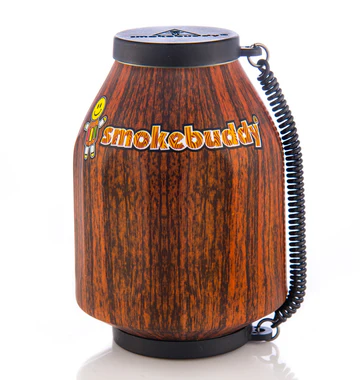
Smoking air filtration refers to systems and methods that remove smoke particles and odor compounds from airflow associated with smoking activity. Unlike general air cleaning, this form of filtration targets smoke at its most concentrated point.
Smoke consists of microscopic particles and gases that carry odor. These elements behave differently from dust or allergens. They remain airborne longer and bind easily to surfaces. Smoking air filtration addresses these characteristics through materials designed to capture both particles and odor molecules.
This type of filtration often involves compact systems that intercept smoke directly. Rather than pulling in ambient air from across a room, these systems manage smoke before it disperses. This distinction explains why smoking air filtration can function effectively without room purifiers.
Smoke as a Contaminant
Smoke particles are small and chemically reactive. Their size allows them to travel deeply into indoor spaces and remain airborne for extended periods. The gases accompanying these particles are responsible for lingering odor.
Once smoke is released, it interacts with walls, furniture, clothing, and ventilation pathways. Over time, repeated exposure leads to buildup that becomes difficult to remove. Filtration that limits initial release reduces this accumulation.
Smoking air filtration treats smoke as a localized contaminant rather than an environmental one.
Filtration Versus Dilution
Room purifiers rely on dilution. They draw in contaminated air, filter it, and release cleaner air back into the room. This process takes time and depends on air volume, purifier capacity, and continuous operation.
Smoking air filtration relies on interception. Smoke is filtered before it mixes with room air. This method requires less processing and delivers faster results in confined spaces.
Source-Level Filtration Without Room Purifiers
Source-level filtration focuses on the point where smoke enters the air. This approach reduces the burden on the surrounding environment by limiting smoke output at its origin.
Compact filtration systems designed for this purpose operate independently of room size. Their performance depends on airflow control and filtration materials rather than room volume.
Many of these systems fall under the category of personal air filters, which manage exhaled smoke directly. Their effectiveness comes from reducing particle release before dispersion occurs.
Managing Exhaled Smoke
Exhaled smoke contains the highest concentration of odor compounds and particles. Filtering smoke at this stage provides the greatest reduction in contamination.
A well-designed filter for smoking routes exhaled air through layered filtration media. Particles are trapped, and odor compounds are bound before air exits the system.
This method significantly reduces the amount of smoke entering the room and limits surface contamination.
Why This Works in Enclosed Spaces
Enclosed spaces such as apartments, vehicles, and shared rooms trap smoke easily. Room purifiers struggle to keep pace with active smoke release in these environments.
Source-level filtration reduces the amount of smoke that needs to be managed. This makes it particularly effective where ventilation options are limited or unavailable.
Filtration Materials Used in Smoking Air Filtration
The effectiveness of smoking air filtration depends on material selection. Filtration materials must capture particles while binding odor compounds without severely restricting airflow.
Most systems use a combination of mechanical and adsorptive filtration. Mechanical layers trap particulate matter, while adsorptive layers bind gaseous compounds.
Material density, surface area, and airflow resistance determine performance and lifespan.
Mechanical Particle Capture
Mechanical filtration uses fibrous materials to trap particles. As smoke passes through dense fibers, particles collide and adhere to the material.
This process reduces visible smoke and prevents particles from spreading further into the environment. Fiber arrangement affects both filtration efficiency and airflow.
A smoke filter optimized for personal use balances particle capture with manageable resistance.
Adsorptive Odor Control
Odor control relies on adsorption rather than masking. Adsorptive materials attract and hold volatile compounds responsible for smoke smell.
These materials contain microscopic pores that provide high surface area. Once odor molecules bind to these surfaces, they are removed from airflow.
Over time, saturation occurs, which limits adsorption capacity and defines filter lifespan.
Sustainable and Disposable Filtration Options
Sustainability plays a growing role in smoking air filtration. Some designs focus on reducing waste while maintaining functional performance.
An eco friendly air filter uses materials selected for lower environmental impact. These may include recyclable housings or renewable filtration media.
Balancing sustainability with performance requires careful material selection.
Paper and Fiber-Based Filters
A paper based filter relies on tightly packed fibers to capture smoke particles. These fibers provide effective mechanical filtration without relying on synthetic materials.
Paper and plant-derived fibers support predictable airflow and consistent particle capture. Their renewable nature aligns with reduced environmental impact goals.
However, fiber-based filters require mindful use to avoid early saturation.
Filter Lifespan and Replacement
All filtration materials degrade as they collect particles and odor compounds. Increased airflow resistance or reduced odor control signals the need for replacement.
Usage frequency, airflow intensity, and moisture exposure affect lifespan. Regular monitoring ensures consistent smoking air filtration performance.
Smoking Air Filtration in Different Indoor Environments

Smoking air filtration without room purifiers adapts well to various indoor settings. Its effectiveness depends on how smoke behaves in each environment.
Apartments, vehicles, and shared housing benefit most from source-level filtration due to limited airflow and shared surfaces.
Apartments and Shared Housing
In shared buildings, smoke odor can travel through walls and ventilation systems. Limiting smoke release reduces migration into neighboring spaces.
Using a personal filter for smoking helps maintain neutral indoor air while minimizing impact on others.
This approach reduces reliance on building-wide ventilation systems.
Vehicles and Enclosed Cabins
Vehicles trap smoke quickly due to limited air volume. Upholstery and air systems absorb odor compounds readily.
Filtering exhaled smoke before it fills the cabin reduces long-term odor retention and surface contamination.
Temporary Living Spaces
Hotels and rentals often enforce odor restrictions. Smoke residue can lead to cleaning fees or penalties.
Smoking air filtration without room purifiers offers a discreet way to manage smoke in temporary settings.
Smoking Air Filtration Versus Room Purifiers
Room purifiers process ambient air. They require power, placement, and continuous operation. Their effectiveness depends on room size and air circulation.
Smoking air filtration intercepts smoke before dispersion. This reduces the volume of contaminated air that needs treatment.
The two approaches address different stages of smoke behavior.
Limitations of Room-Based Systems
Room purifiers struggle during active smoke release. Smoke spreads faster than many purifiers can process air.
They also require maintenance and may not be practical in all settings.
Smoking air filtration reduces these limitations by focusing on prevention.
Complementary Use Cases
Smoking air filtration does not replace room purifiers entirely. Instead, it reduces their workload.
When used together, overall air quality improves more efficiently.
Behavioral Factors That Support Smoking Air Filtration
Filtration works best when combined with mindful behavior. Controlled airflow through filters improves performance and extends lifespan.
Avoiding forceful exhale reduces moisture buildup and uneven saturation.
Spacing sessions allows indoor air conditions to stabilize.
Positioning and Surface Awareness
Smoke interacts differently with surfaces. Soft materials absorb odor more readily than hard surfaces.
Reducing exposure to fabrics limits long-term odor retention.
Frequency and Duration Considerations
Repeated sessions increase cumulative smoke exposure. Allowing time between sessions reduces buildup.
Combined with filtration, this approach supports cleaner indoor air over time.
Long-Term Indoor Air Quality Benefits
Smoking air filtration without room purifiers offers long-term benefits. Reduced particle release leads to cleaner surfaces and less persistent odor.
Over time, indoor environments require less deep cleaning. Air comfort improves with consistent filtration.
Preventive approaches outperform reactive solutions in enclosed spaces.
Final Thoughts
Smoking air filtration without room purifiers focuses on prevention rather than correction. By managing smoke at the source, it limits particle spread and odor buildup before contamination occurs.
Filtration materials, airflow control, and mindful use work together to maintain cleaner indoor air. Understanding how smoke behaves indoors explains why source-level filtration delivers reliable results.
FAQs
Can smoking air filtration work without room purifiers?
Yes. Source-level filtration reduces smoke release before it spreads, making room purifiers optional rather than necessary.
Does smoking air filtration eliminate odor completely?
It significantly reduces odor but may not remove it entirely in every environment.
How long do smoking air filtration systems last?
Lifespan depends on usage patterns and material saturation. Increased resistance usually signals replacement time.
Is smoking air filtration effective in small spaces?
Yes. It is especially effective in enclosed environments where ventilation is limited.
Can smoking air filtration improve long-term indoor air quality?
Yes. Consistent use reduces surface contamination and persistent odor over time.
