Secondhand Smoke Reduction Through Exhaled Air Filtration
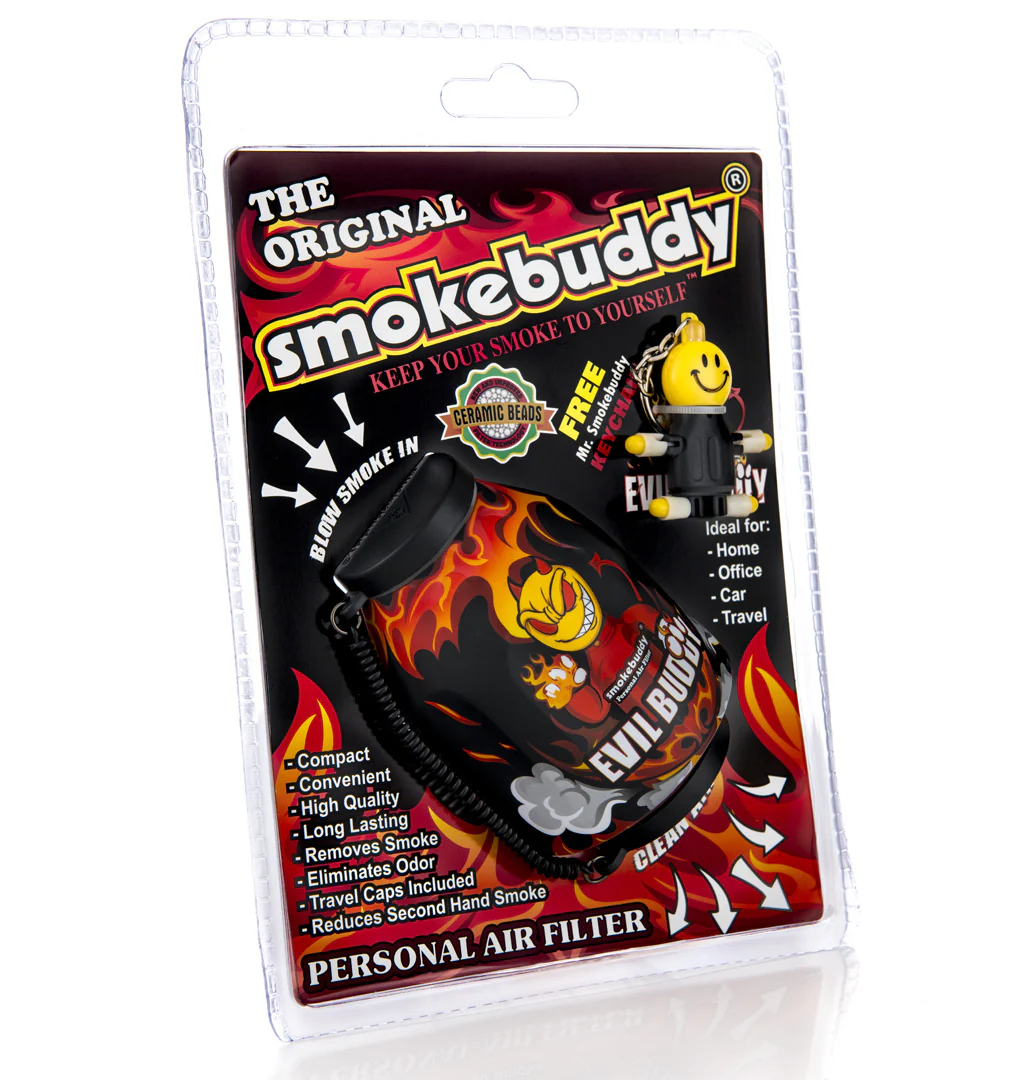
Table of Contents
- Understanding Secondhand Smoke Exposure Indoors
- The Role of Exhaled Air in Secondhand Smoke Reduction
- How Exhaled Air Filtration Works
- Materials Used in Exhaled Air Filtration
- Secondhand Smoke Reduction in Shared Environments
- Behavioral Factors That Support Secondhand Smoke Reduction
- Exhaled Air Filtration Compared to Other Reduction Methods
- Long-Term Benefits of Exhaled Air Filtration
- Final Thoughts
- FAQs
Secondhand smoke reduction remains a concern in many indoor environments where smoke exposure affects more than one person. Even when smoking activity is limited to short sessions, smoke particles and odor compounds spread quickly through enclosed spaces. These particles linger in the air, attach to surfaces, and contribute to ongoing exposure long after the source is gone.
Traditional approaches to secondhand smoke reduction often focus on ventilation or room-wide air cleaning. While these methods can dilute airborne contaminants, they do not prevent smoke from entering the environment in the first place. Once smoke disperses, exposure has already occurred. Exhaled air filtration addresses this issue earlier by reducing the amount of smoke released into shared air.
Secondhand smoke reduction through exhaled air filtration focuses on managing smoke at its most concentrated point. By limiting how much smoke enters the surrounding space, this approach reduces airborne particles, surface contamination, and indirect exposure for others nearby.
If keeping the air clean matters to you, Smokebuddy has you covered with eco-friendly paper personal air filters. They’re a simple way to stay fresh, and SLY25 gets you 25% off your order.
Understanding Secondhand Smoke Exposure Indoors

Secondhand smoke exposure occurs when smoke released into the air is inhaled by individuals who are not actively smoking. Indoors, this exposure increases due to limited airflow and repeated circulation of contaminated air. Smoke particles remain suspended longer and spread farther than many expect.
Exposure does not end when visible smoke disappears in terms of secondhand smoke reduction. Fine particles and gases continue to circulate and re-release from surfaces. This creates prolonged exposure even after the session ends. Secondhand smoke reduction requires strategies that limit initial smoke release rather than relying solely on cleanup afterward.
Indoor environments amplify this effect. Walls, furniture, fabrics, and ventilation systems all act as reservoirs for smoke-related compounds. Reducing the amount of smoke that enters these systems is key to lowering overall exposure.
Why Smoke Spreads So Easily Indoors
Smoke particles are small and lightweight. Their size allows them to remain airborne for extended periods. These particles move with air currents and settle slowly, spreading throughout a space before finally depositing on surfaces.
Once deposited, smoke particles bind to porous materials. Over time, these surfaces release odor and particles back into the air, extending exposure. This cycle explains why secondhand smoke reduction is important when you are a heavy smoker and are sharing a closed space with somebody else.
Reducing airborne particle concentration at the moment of exhalation interrupts this cycle.
Health and Comfort Implications
Secondhand smoke exposure affects air comfort and indoor quality. Odor persistence, irritation, and discomfort are common consequences. In shared spaces, this exposure can affect individuals who did not choose to participate in smoking activity.
Secondhand smoke reduction strategies aim to limit involuntary exposure by controlling smoke behavior at its source.
The Role of Exhaled Air in Secondhand Smoke Reduction
Exhaled smoke represents the most concentrated form of smoke entering the environment. It contains a dense mix of fine particles and odor-causing gases. Filtering smoke at this stage reduces the total amount released into shared air.
Exhaled air filtration works by routing smoke through internal filtration materials before it disperses. This approach differs from room-based solutions that attempt to clean air after contamination occurs.
Managing exhaled smoke directly provides immediate reduction in airborne particles. This leads to lower exposure for others in the same space.
Source-Level Control Versus Ambient Filtration
Ambient filtration systems process air after smoke has spread. This means exposure occurs before filtration begins. Source-level control limits exposure from the start.
Using personal air filters for exhaled smoke management reduces the amount of contaminated air entering the room. This approach minimizes the load placed on other air quality systems.
Source-level filtration is especially effective in small or enclosed spaces where smoke accumulates quickly.
Why Timing Matters
Smoke spreads rapidly upon exhalation. Delays in filtration allow particles to disperse widely. Capturing smoke immediately reduces spread and surface contact.
Exhaled air filtration and secondhand smoke reduction addresses smoke at the earliest possible stage, making it one of the most efficient methods for secondhand smoke reduction indoors.
How Exhaled Air Filtration Works
Exhaled air filtration relies on layered materials designed to capture smoke particles and bind odor compounds. As smoke passes through the filter, particles collide with filtration media and become trapped.
Adsorptive layers attract volatile compounds responsible for smoke odor. Once bound, these compounds are removed from airflow and do not enter the surrounding environment.
This process reduces both visible smoke and invisible odor, contributing to lower secondhand exposure.
Mechanical Particle Capture
Mechanical filtration uses fibrous materials to trap particles. Smoke particles impact fibers and adhere due to surface forces. This prevents them from remaining airborne.
A filter for smoking designed for exhaled air balances particle capture with manageable airflow resistance. Proper airflow ensures effective filtration without forcing smoke around the filter.
Odor Compound Adsorption
Odor control relies on adsorption rather than masking. Adsorptive materials attract and hold odor-causing molecules on their surface.
This process removes odor compounds from the air stream rather than covering them with fragrance. Over time, adsorption capacity becomes saturated, defining filter lifespan.
Materials Used in Exhaled Air Filtration
Material selection influences filtration efficiency, airflow, and durability. Effective exhaled air filtration combines mechanical and adsorptive materials.
Fibrous layers capture particles. Adsorptive layers bind odor compounds. Together, these materials reduce secondhand smoke exposure.
Some designs emphasize sustainability. An eco friendly air filter uses materials selected to reduce environmental impact while maintaining filtration performance.
Paper and Fiber-Based Filtration
A paper based filter uses tightly packed fibers to capture smoke particles efficiently. These fibers create airflow resistance paths that force particles into contact with filtration surfaces.
Paper and plant-derived fibers support predictable filtration behavior and can be sourced from renewable materials. Their effectiveness depends on controlled airflow and timely replacement.
Saturation and Performance Decline
All filtration materials eventually saturate. As particles and odor compounds accumulate, airflow resistance increases and effectiveness decreases.
Monitoring resistance and odor output helps identify when replacement is needed. Timely replacement ensures continued secondhand smoke reduction.
Secondhand Smoke Reduction in Shared Environments
Shared environments present unique challenges. Smoke released in one area can affect others through air circulation and surface absorption.
Exhaled air filtration reduces smoke migration by limiting how much smoke enters shared air. This approach supports cleaner environments without requiring changes to building ventilation.
Apartments and Multi-Unit Housing
In multi-unit buildings, smoke can travel through vents, walls, and hallways. Reducing smoke at the source limits migration into neighboring units.
Using a smoke filter for exhaled air reduces odor spread and airborne particles that contribute to secondhand exposure.
Vehicles and Enclosed Cabins
Vehicles trap smoke quickly due to limited air volume. Exhaled air filtration reduces smoke accumulation and limits exposure for passengers.
Filtering smoke before it fills the cabin improves air comfort and reduces surface contamination.
Temporary and Shared Spaces
Hotels, rentals, and shared rooms often restrict smoking due to odor concerns. Exhaled air filtration reduces smoke release and lowers the risk of lingering odor.
This approach supports secondhand smoke reduction without relying on ventilation or masking agents.
Behavioral Factors That Support Secondhand Smoke Reduction

Filtration effectiveness improves when combined with mindful behavior. Controlled airflow through filters ensures consistent particle capture.
Avoiding forceful exhale reduces moisture buildup and uneven saturation. This extends filter lifespan and maintains performance.
Spacing sessions allows airborne particles to settle and reduces cumulative exposure.
Surface Awareness
Smoke interacts more strongly with soft surfaces. Limiting smoke exposure near fabrics reduces odor retention.
Hard surfaces are easier to clean and retain fewer odor compounds.
Session Frequency
Frequent sessions increase cumulative smoke release. Allowing time between sessions reduces overall exposure.
Combined with exhaled air filtration, this approach supports long-term secondhand smoke reduction.
Exhaled Air Filtration Compared to Other Reduction Methods
Ventilation dilutes smoke but allows initial exposure. Room purifiers process ambient air after smoke spreads. Masking agents cover odor without removing particles.
Exhaled air filtration limits smoke release from the start. This preventive approach reduces reliance on reactive solutions.
Using a personal filter for smoking addresses smoke behavior directly rather than treating symptoms after contamination occurs.
Why Masking Agents Are Ineffective
Fragrances do not remove smoke particles. Once the scent fades, smoke odor remains.
Filtration removes particles and odor compounds, leading to longer-lasting results.
Complementary Use With Other Methods
Exhaled air filtration does not exclude other methods. Ventilation and room purifiers can complement filtration by maintaining baseline air quality.
Source-level control reduces the workload on these systems.
Long-Term Benefits of Exhaled Air Filtration
Consistent exhaled air filtration reduces particle accumulation and surface contamination. Over time, indoor environments remain cleaner with less effort.
Reduced odor persistence improves air comfort and lowers exposure for others. This leads to healthier shared spaces.
Preventive approaches deliver better long-term results than reactive cleanup.
Final Thoughts
Secondhand smoke reduction through exhaled air filtration focuses on prevention rather than correction. By managing smoke at its most concentrated point, this approach limits airborne particles and odor before they spread.
Filtration materials, airflow control, and mindful use work together to reduce exposure in shared environments. Understanding how smoke behaves indoors clarifies why exhaled air filtration plays a central role in effective secondhand smoke reduction.
FAQs
How does exhaled air filtration reduce secondhand smoke?
It captures smoke particles and odor compounds before they enter shared air, reducing exposure.
Is exhaled air filtration effective in small spaces?
Yes. It is especially effective in enclosed environments where smoke accumulates quickly.
Does this method eliminate secondhand smoke completely?
It significantly reduces exposure but may not eliminate it entirely in all settings.
How often should filters be replaced?
Replacement depends on usage and saturation. Increased resistance usually signals replacement time.
Can exhaled air filtration replace ventilation?
It complements ventilation by reducing smoke at the source but does not replace airflow systems.
