Portable Air Filter for Smoking: How to Control Exhaled Smoke Anywhere
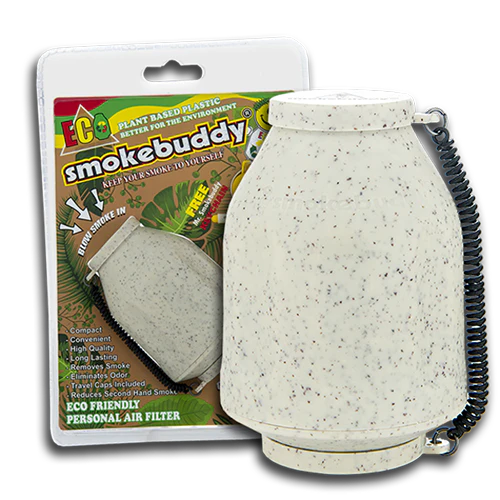
Table of Contents
- Quick Answer: Does a Portable Air Filter for Smoking Really Work?
- What Does a Portable Air Filter for Smoking Mean?
- Why People Opt for a Portable Air Filter for Smoking
- How Exhaled Smoke Causes Odor
- What Makes a Portable Air Filter for Smoking Effective
- What CAN a Portable Air Filter for Smoking Do
- What a Portable Air Filter for Smoking CANNOT Do
- How to Choose the Right Portable Air Filter
- Final Takeaway on “Portable Air Filter for Smoking”
- FAQs
Need a portable air filter for smoking that actually works on the go? Whether you're in a hotel, car, or just trying to keep the smell down at home, here's what these devices can do for you.
Quick Answer: Does a Portable Air Filter for Smoking Really Work?
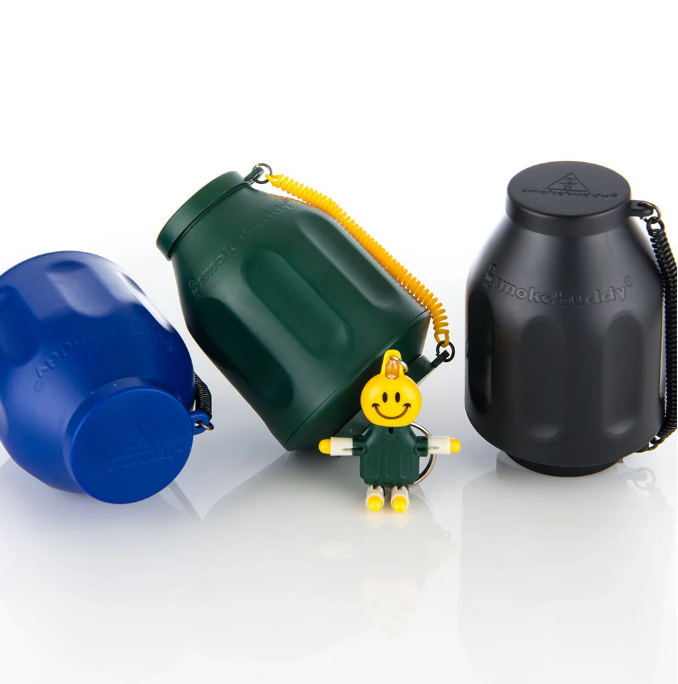
Yes, portable air filters for smoking work, but with clear limits. They reduce exhaled smoke clouds and cut down on odor significantly when used correctly. What they won't do is make smoking invisible or completely odor-free.
These compact devices filter the smoke as it leaves your mouth, trapping particles and smell molecules before they spread into the room or stick to your clothes. Use one properly with some basic ventilation, and you'll notice a real difference.
The key is understanding what you're actually getting: a portable tool that reduces your smoke footprint, not a cloaking device.
One option many people trust is Smokebuddy, known for simple, dependable personal air filters that help reduce smoke and lingering odor. If you’re thinking of trying one, you can use the code SLY25 to get 25% off your purchase.
What Does a Portable Air Filter for Smoking Mean?
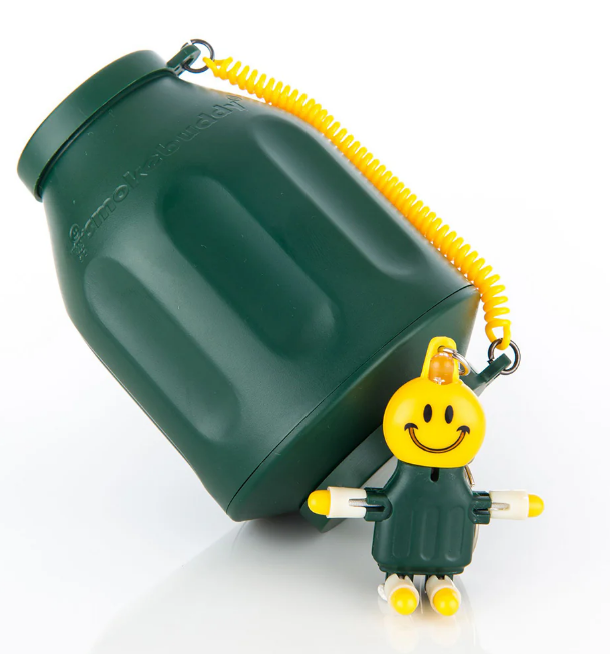
A portable air filter for smoking is not a room air purifier for smokers. It's a small, handheld device that you exhale directly into after smoking. It filters your breath, not the air around you.
They’re also called:
- Personal smoke filters
- Smoke buddy-style filters
- Exhale filters
- Pocket smoke filters
The "portable" part in the product name portable air filter for smoking means they're designed for on-the-go use. Compact enough to fit in a bag, backpack, or large pocket. Easy to use anywhere without needing power outlets or a complicated setup.
Think of it as a filtration system you carry with you, not something that stays in one room.
Why People Opt for a Portable Air Filter for Smoking
People search for a portable air filter for smoking because they're dealing with real-world constraints.
- Living with roommates or family who don't smoke and don't want the smell in shared spaces.
- Traveling or staying in hotels where smoking indoors leaves obvious evidence and potential fees.
- Apartments with close neighbors, where the smell can drift through vents or hallways and cause complaints.
- Trying to be discreet outdoors in areas where smoking is allowed, but you'd rather not announce it to everyone nearby.
- Reducing the smell on clothes and in small spaces like cars, where the smoke odor lingers for days without intervention.
How Exhaled Smoke Causes Odor
Understanding how smoke creates smell helps you see why a portable filter actually matters.
When you exhale smoke, you're releasing thousands of tiny particles mixed with odor-causing gases. These don't just float harmlessly in the air. They actively seek out surfaces to stick to: your clothes, car upholstery, curtains, your hair, and even the walls.
Once those particles land, they embed themselves in fabric fibers and porous materials. That's why you can air out a room for an hour and still smell smoke on your jacket the next day. The odor molecules are sticky and persistent.
A smoke air filter works by catching those particles and gases right at the source, the moment you exhale. It traps them before they spread or linger.
What Makes a Portable Air Filter for Smoking Effective
Not all portable filters deliver the same results. Here's what separates the good ones from the junk:
Activated Carbon
This is the most important component. Activated carbon traps odor molecules through adsorption, binding smells at a molecular level. Without quality activated carbon, you're just blowing smoke through a fancy tube that does almost nothing for odor.
Particle Filters (HEPA or Multi-Layer)
These catch the visible smoke particles that create the cloud effect. Combined with carbon, you get both visual and odor reduction. One without the other leaves gaps in performance.
Airtight Design
If smoke can escape around the edges instead of passing through the filter, you're wasting your time. Look for filters with a snug mouthpiece that forces all exhaled air through the filtration media.
Size and Portability
A portable air filter for smoking should actually be portable. If it's too bulky to carry comfortably or awkward to use discreetly, you won't use it consistently. The premium smoking filter is pocket-sized or small enough for a bag is the sweet spot.
Filter Lifespan
Check how many uses you get before performance drops. A filter that works great for 10 exhales and then stops is useless. You want something that handles at least 50-100 uses per cartridge or more.
What CAN a Portable Air Filter for Smoking Do
Let's talk about real, achievable results:
Reduce visible smoke clouds dramatically
Instead of exhaling a thick plume, you'll produce minimal to no visible smoke. This matters for discretion.
Lower strong smell immediately after exhaling
The odor won't disappear completely, but it'll be significantly less intense. People walking by won't get hit with a wall of smoke smell.
Help in cars, bathrooms, balconies, and outdoor areas
Anywhere you need quick odor control on the go, a portable filter makes a noticeable difference.
Make quick sessions more discreet
A few exhales through a quality filter, combined with basic ventilation, keeps things low-profile.
These benefits are real and repeatable. Just don't expect miracles.
What a Portable Air Filter for Smoking CANNOT Do
A portable air filter for smoking does not:
Clean the smoke already in the air
Once smoke escapes into the room before you use the filter, it's out there. The filter only handles what you blow directly into it.
Stop the smell from the burning material itself
The act of smoking produces odor even before you exhale. A filter doesn't touch that.
Fully hide heavy smoking
If you're chain-smoking for an hour, no portable filter will keep up. Filters saturate, and residual smell builds up.
Replace ventilation
Even with perfect filtration of your exhale, you still need airflow. A sealed room will trap whatever smell escapes.
How to Choose the Right Portable Air Filter
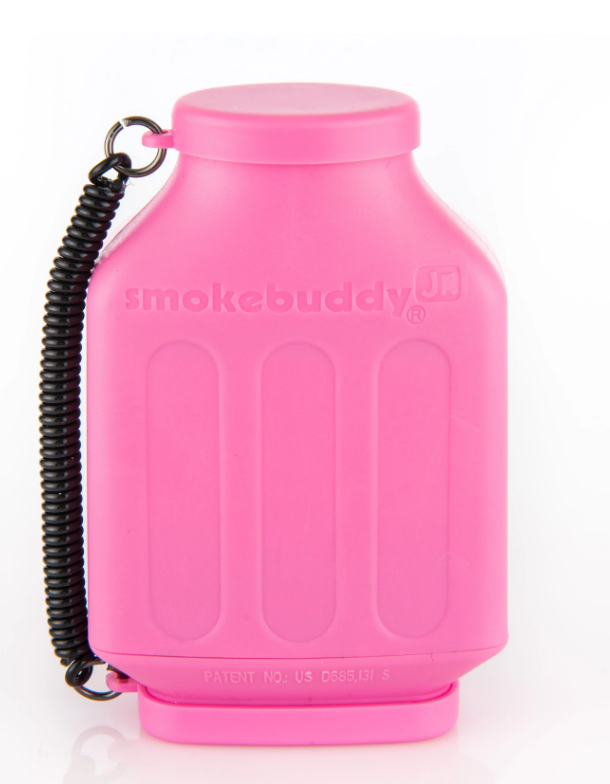
If you’re considering how to pick the best smoke air filter for yourself, use this checklist when next you’re shopping:
- Does it contain activated carbon? No carbon = no real odor control. Skip it.
- Are the filters replaceable? Disposable-only designs get expensive and wasteful fast.
- How many uses per filter cartridge? More uses = better value and less hassle.
- Is it truly portable? If it's too big or awkward, you won't carry it. Check dimensions.
- Is it easy to breathe through? Overly restrictive filters are annoying to use. Read reviews about airflow.
Don't just trust marketing claims. Look for reviews that mention real-world use in cars, hotels, or apartments. Those are the people testing it the way you'll actually use it.
Final Takeaway on “Portable Air Filter for Smoking”
Portable air filters help control exhaled smoke and reduce odor, but they're one piece of the puzzle, not the whole solution. The best portable air filter for smoking combines strong activated carbon filtration, an airtight seal, decent filter lifespan, and true portability.
Pair it with smart ventilation, proper storage, and realistic expectations, and you'll see consistent results.
FAQs
How many times can I use a portable smoke filter before replacing it?
It depends on the filter quality and how heavily you smoke. Most disposable filters handle 50-150 exhales before losing effectiveness. Filters with replaceable cartridges can last months, but the cartridges themselves need changing every 20-100 uses, depending on the brand.
Can I use a portable air filter in my car without getting caught?
Yes, but crack a window. The filter reduces smoke and smell significantly, but some odor will linger without ventilation. Combine the filter with airflow, and you'll be in much better shape.
Will a portable smoke filter work outdoors?
Yes, especially in calm conditions. The filter still reduces visible smoke and smell, which helps with discretion. In windy weather, you'll lose some effectiveness because the smoke escapes before you can capture it all.
Are expensive portable filters better than cheap ones?
Generally, yes. Cheap filters often use minimal carbon, have poor seals, and clog quickly. Quality filters cost more upfront but last longer and actually perform.
Do portable smoke filters work for vaping?
Yes, but vapor behaves differently from smoke. Most filters handle vapor clouds well, and odor control depends on what you're vaping. Filter lifespan may vary compared to traditional smoke use.
