Personal Smoke Filters Explained and How They Control Exhaled Smoke
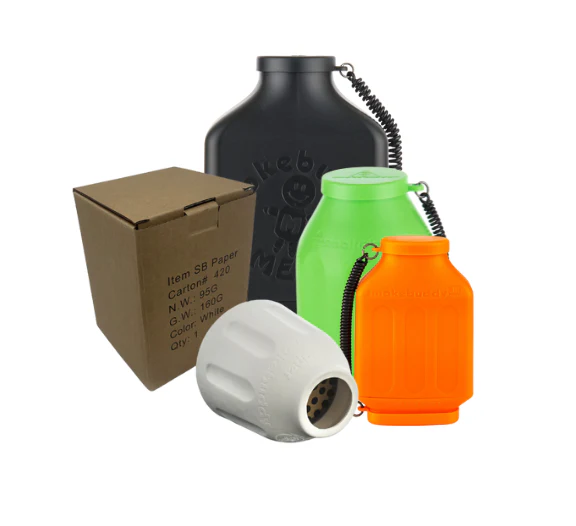
Table of Contents
Personal smoke filters exist for one core reason. Smoke does not disappear once exhaled. It spreads, lingers, and settles into the air, fabrics, and surfaces around it. Indoor environments make this process even more noticeable. Over time, repeated exposure leads to persistent odor, visible haze, and reduced air comfort. This is where personal air filters become relevant as a targeted solution rather than a room-wide response.
Unlike large air purifiers that attempt to clean an entire space after smoke has already dispersed, personal smoke filters work at the source. Exhaled smoke passes through a contained filtration system before it reaches the surrounding air.
This design addresses smoke at its most concentrated point. The result is reduced odor spread, lower particulate release, and a noticeably cleaner indoor environment during and after a session.
Interest in personal smoke filters has grown because they solve real-world problems. Shared living spaces, apartments, vehicles, and indoor settings demand better control over smoke output. These filters respond to that demand by managing exhaled smoke directly, without relying on ventilation systems or masking sprays.
Quick heads-up, Smokebuddy is worth knowing if clean air matters to you. Their paper-based personal air filters are designed with eco-friendliness in mind and help keep your space fresh. Use SLY25 for 25% off your order.
What Personal Smoke Filters Are Designed to Do
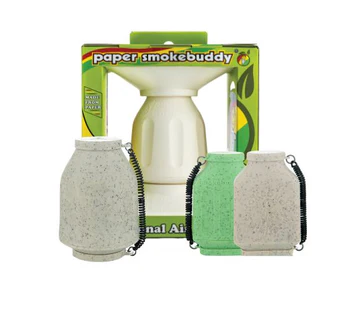
Personal smoke filters are built with a single purpose. They capture smoke particles and odor compounds during exhalation before those elements mix with ambient air. This shifts smoke control from reaction to prevention. Instead of dealing with lingering effects, the system limits how much smoke enters the room at all.
At the core of a filter for smoking is layered filtration. Mechanical layers capture particulate matter such as ash and fine smoke particles. Adsorptive layers bind odor-causing compounds that would otherwise remain airborne. This dual approach allows exhaled smoke to exit with minimal detectable odor.
Effectiveness depends on airflow balance. Air must move freely enough to allow a natural exhale while still passing through enough filtration material to remove contaminants. When this balance is achieved, performance remains consistent without making breathing feel forced.
Why Exhaled Smoke Is the Primary Target
Exhaled smoke contains the highest concentration of odor-causing compounds. Once released, these particles spread rapidly and attach to surfaces. Addressing smoke at this point delivers the greatest reduction with the least effort.
Personal smoke filters interrupt this process early. Capturing smoke before it disperses reduces buildup in fabrics, walls, and ventilation systems. Over time, this minimizes the need for heavy cleaning or deodorizing.
This source-focused approach explains why personal smoke filters outperform room-based solutions in confined spaces.
How Filtration Layers Work Together
Inside each smoke filter, air passes through multiple internal layers. Each layer plays a specific role. Initial layers trap larger particles, protecting deeper filtration media. Later layers handle fine particles and odor compounds.
Adsorptive materials attract volatile organic compounds present in smoke. Once bound, these compounds do not re-enter the air. Over time, saturation occurs, which defines the filter’s usable lifespan.
This layered structure is what separates functional personal smoke filters from basic airflow devices that simply redirect smoke.
Airflow and Pressure Control in Personal Smoke Filters
Airflow determines both comfort and effectiveness. Too much resistance makes exhalation difficult. Too little resistance reduces filtration efficiency. Personal smoke filters are designed to balance both factors.
Air moves through the filter under gentle pressure during exhalation. Internal channels distribute airflow evenly across filtration surfaces. This prevents bypass, where air escapes without being treated.
Moisture from exhaled breath also affects performance. Controlled airflow helps prevent saturation that could clog filtration layers prematurely.
Controlled Exhale Versus Forced Air
A steady exhale allows filtration materials to function properly. Sudden bursts of air reduce contact time between smoke and filtration layers. Over time, this shortens filter lifespan.
This explains why usage style affects longevity. Designs that encourage even airflow tend to perform more consistently over extended use.
Seal and Fit Considerations
Air follows the path of least resistance. If a filter does not seal properly, smoke escapes around the edges. A proper seal ensures that exhaled smoke passes fully through the filtration system.
A well-designed personal filter for smoking maintains contact without requiring excessive pressure. Fit consistency supports predictable performance and cleaner air output.
Materials Used in Personal Smoke Filters
Material selection determines filtration quality and lifespan. Most personal smoke filters use fibrous layers for particle capture and adsorptive media for odor control.
Fibrous layers mechanically trap particles. Adsorptive layers bind odor compounds through surface interaction. Together, these materials manage both visible smoke and odor.
Some designs emphasize sustainability. An eco friendly air filter approach focuses on reducing environmental impact while maintaining effective smoke control.
Paper and Plant-Derived Filtration Materials
Certain filters rely on renewable materials. A paper based filter uses tightly packed fibers to capture smoke particles efficiently. These fibers provide sufficient surface area without relying on synthetic components.
Plant-derived materials offer similar benefits. Their natural structure supports filtration while aligning with reduced-waste goals. These materials require mindful use to avoid early saturation.
Filter Lifespan and Saturation
All filtration materials have limits. As particles and odor compounds accumulate, airflow resistance increases and effectiveness declines. Increased exhale resistance or noticeable odor signals that replacement is needed.
Material density influences lifespan. Denser materials last longer but may restrict airflow sooner. Lighter materials offer easier airflow with shorter service life.
Where Personal Smoke Filters Are Most Effective
Personal smoke filters excel in spaces where smoke accumulates quickly. Apartments, shared housing, and vehicles benefit the most from source-level filtration.
In shared spaces, controlling exhaled smoke reduces odor migration through vents and walls. Using personal smoke filters helps maintain neutral air conditions without affecting others.
Vehicles present similar challenges. Enclosed cabins trap smoke, leading to persistent odor in upholstery and ventilation systems. Filtering exhaled smoke before it fills the cabin makes a measurable difference.
Shared Living and Courtesy
Personal smoke filters support cleaner shared environments. They reduce the need for sprays or masking agents that only cover odor temporarily.
This practical approach allows smoke control without restricting activity or relying on building-wide ventilation systems.
Travel and Temporary Settings
Hotels and rentals often enforce strict odor policies. Smoke residue can result in penalties or cleaning fees. Personal smoke filters reduce odor release during use, lowering the risk of lingering smells.
Compact designs make them suitable for travel and short-term stays where discretion matters.
Personal Smoke Filters Compared to Room Air Purifiers
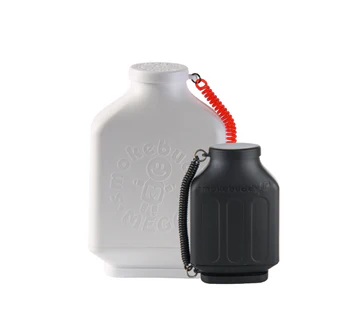
Room purifiers filter ambient air after smoke disperses. Personal smoke filters treat smoke before it enters the environment. This difference affects efficiency.
Room systems must process large air volumes continuously. Personal smoke filters manage a small, concentrated stream at the source. This makes them more effective in confined spaces.
Room purifiers also require power, maintenance, and placement. Personal smoke filters function independently, making them more adaptable across settings.
Final Thoughts
Personal smoke filters provide a practical method for managing smoke indoors. By focusing on exhaled smoke, they reduce odor spread and particle accumulation before contamination occurs. This approach supports cleaner shared spaces and better indoor air conditions.
Their effectiveness comes from controlled airflow, layered filtration, and appropriate material selection. Understanding these elements explains why source-level filtration delivers consistent results.
FAQs
How long do personal smoke filters last?
Lifespan depends on usage frequency and airflow. Increased resistance or odor output signals replacement time.
Do personal smoke filters remove all odor?
They significantly reduce odor but may not eliminate it entirely in every situation.
Can personal smoke filters be reused?
They are reusable until filtration materials become saturated and performance declines.
Do personal smoke filters replace ventilation?
They complement ventilation by reducing smoke at the source but do not replace airflow systems.
Are personal smoke filters useful outdoors?
They can be used outdoors, but benefits are most noticeable in enclosed environments.
