Strongest THC Products: What to Look For
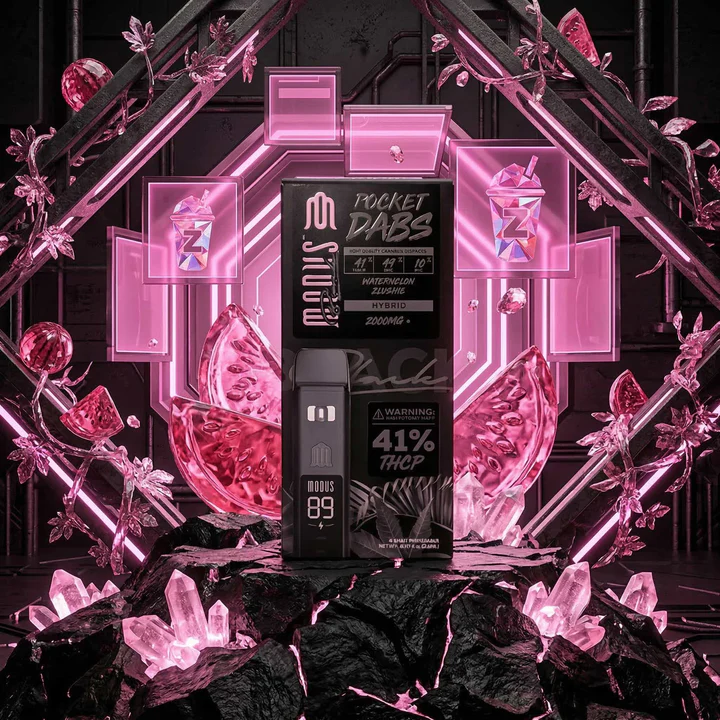
Table of Contents
The hemp market has come a long way from standard delta 8 gummies and basic CBD tinctures. The strongest THC products available today are built around cannabinoids like THCP that were not even on the commercial radar a few years ago, and the gap between those products and mid-range options is significant enough that treating them the same way is a mistake.
Potency in this category is not just a matter of milligram count. It comes down to which cannabinoids are in the product, how they interact with the body's receptors, what format delivers them, and whether the label actually reflects what the lab results confirm.
For experienced users who already know their way around delta 8 and are looking at what comes next, or for anyone trying to understand what separates a genuinely strong product from one that just markets itself that way, this breakdown covers everything worth knowing before making a purchase in the high-potency category.
Since we’re already talking about “strong products” and “high potency”, why not check out Modus Brand and their wide range of THC products? The best part? You can use the coupon code MDS25 to get 25% off your entire order.
What Makes a THC Product the Strongest
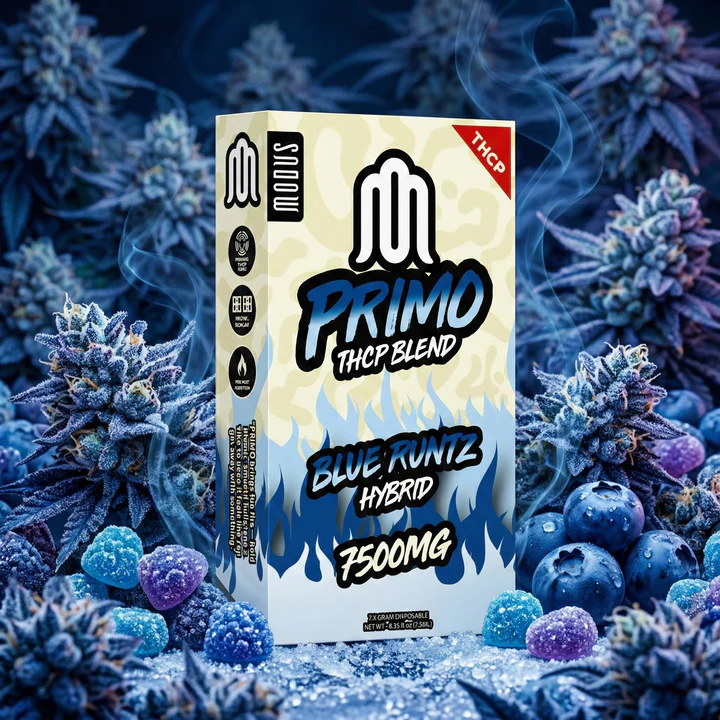
Not all THC products that claim to be strong actually is, and not every strong product is strong in the same way. Understanding what drives potency in THC products is the starting point for making sense of everything else in this space.
Cannabinoid Type and Receptor Affinity
The single biggest factor in how strong a THC product feels is which cannabinoid or cannabinoids it contains. Delta 9 THC is the baseline that most people use as a reference point, and it is the primary psychoactive compound in traditional cannabis.
Delta 8 THC is noticeably milder, binding to CB1 receptors with less affinity than delta 9. THCP, on the other end of the spectrum, binds to CB1 receptors with approximately 33 times greater affinity than delta 9 in laboratory models, making it the most potent naturally occurring cannabinoid currently identified.
What that receptor affinity difference means in practical terms is that the same milligram amount of THCP will produce a significantly stronger experience than delta 9, which in turn produces a stronger experience than delta 8.
The strongest THC products on the market today are built around THCP, high-dose delta 9, or blends that combine multiple high-affinity cannabinoids to produce effects that stack rather than cancel each other out. Cannabinoid selection is not a marketing decision, it is the primary driver of how strong a product actually is.
Concentration and Dosing
Beyond which cannabinoid is present, how much of it is in the product matters just as much. A product with a modest concentration of THCP might deliver a similar experience to a product with a very high concentration of delta 8, depending on the ratios involved. Concentration is measured in milligrams per serving for edibles and tinctures, and as a percentage of total cannabinoid content for vapes and concentrates.
The strongest THC products typically combine a high-affinity cannabinoid like THCP with a substantial dose per serving, creating a product where both the type and the amount of cannabinoid are working together to maximize effect.
THC products that rely on a high milligram count of a weaker cannabinoid alone are not in the same category as products built on high-affinity cannabinoids at meaningful concentrations. When evaluating any claim about potency, checking both the cannabinoid type and the per-serving amount on the COA is the only way to know whether the claim holds up.
The Cannabinoids Behind the Strongest Products
There are several cannabinoids that show up consistently in the strongest THC products available today. Each one has a distinct profile, and understanding what each one brings to the table helps explain why certain products hit harder than others.
THCP: The Most Potent Cannabinoid
THCP is the cannabinoid that changed the conversation about potency when Italian researchers identified it in 2019. Its seven-carbon alkyl side chain, compared to the five-carbon chain of delta 9 THC, allows it to fit into CB1 receptors more precisely and hold on longer, producing effects that are dramatically stronger than any THC variant that came before it. Products that contain THCP are consistently among the strongest THC products in any format.
The experience of THCP is intense, full-body, and long-lasting. Users report heavy euphoria, deep physical relaxation, and effects that can last significantly longer than delta 9 or delta 8.
Even at low doses, THCP produces a level of intensity that catches unprepared users off guard, which is why responsible producers keep THCP concentrations carefully calibrated and clearly disclosed. For experienced users who know their tolerance and want the strongest experience available, THCP-forward products represent the top end of the current market.
Delta 9 THC: The Classic Benchmark
Delta 9 THC is the cannabinoid most people think of when they think about getting high, and at high concentrations it remains one of the most reliably potent options available. Hemp-derived delta 9 products must stay below 0.3% delta 9 THC by dry weight under federal law, but creative formulation has allowed producers to pack meaningful doses into products like gummies and edibles where total product weight can be substantial enough to accommodate significant milligram amounts within that threshold.
High-dose delta 9 edibles in the 50 to 100 milligram range per serving are among the strongest THC products available to consumers who do not live in a state with recreational cannabis access. The effects of delta 9 at these doses are strong, long-lasting, and well-suited to experienced users with established tolerances.
The key difference between delta 9 and THCP at comparable effect levels is that delta 9 requires significantly higher milligram amounts to reach the same intensity, which is why the two cannabinoids are often blended rather than used interchangeably.
HHC and HHC-P: The Underrated Players
HHC, or hexahydrocannabinol, sits between delta 8 and delta 9 in terms of potency and produces a slightly different effect profile that many users describe as more physical and euphoric than delta 8's more cerebral feel. HHC-P, the hydrogenated variant of THCP, applies the same structural logic as THCP but with the added stability that hydrogenation provides. HHC-P is considerably more potent than standard HHC and is increasingly showing up in high-potency blends as a complement to THCP.
Products that combine HHC with delta 8 or delta 9 are a popular middle-ground option for users who want more than delta 8 delivers but are not ready for full THCP intensity. For the strongest THC products specifically, HHC-P blended with THCP and delta 8 represents a formulation approach that stacks multiple high-affinity cannabinoids for an effect that is difficult to achieve with any single compound alone.
THC-O: The Synthetic Potency Option
THC-O acetate is a synthetic cannabinoid derived from THC that produces effects estimated to be two to three times stronger than delta 9 THC. It has faced increasing regulatory scrutiny and some producers have moved away from it as the legal landscape has shifted, but it still appears in some high-potency products. THC-O takes longer to onset than most cannabinoids because it functions as a prodrug that must be metabolized before it becomes active, which makes dosing more unpredictable than with other THC variants.
For consumers focused on the strongest THC products available, THC-O is worth being aware of, but the regulatory uncertainty around it and the unpredictability of its onset make it a less straightforward option than THCP or high-dose delta 9. Products that include THC-O should have clear COA documentation and transparent labeling about concentration, given the potency and onset considerations involved.
Strongest THC Product Formats and How They Compare
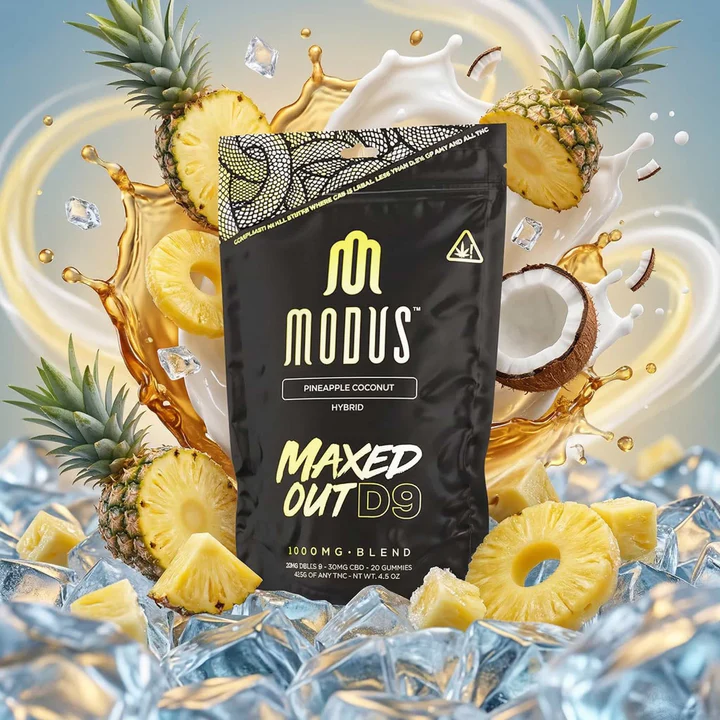
The format of the strongest THC products comes in affects how fast it hits, how long it lasts, and how intense the peak experience feels. For experienced users chasing the strongest THC products, format selection is as important as cannabinoid selection.
Edibles: The Long-Duration Option
Edibles are the format most commonly associated with the strongest THC products among consumers who prioritize duration and depth over speed.
When THC is ingested and metabolized through the liver, delta 9 THC is partially converted into 11-hydroxy-THC, a metabolite that crosses the blood-brain barrier more efficiently than inhaled THC and produces a stronger, longer-lasting effect. This metabolic conversion is part of why edibles feel disproportionately powerful compared to their stated dose when someone is not used to them.
Premium gummies in the high-potency category typically combine delta 9 with THCP or other strong cannabinoids at carefully calibrated doses per piece. The experience from a strong edible builds over 30 to 90 minutes before reaching peak intensity, and the full duration can stretch to six hours or more.
That extended timeline makes edibles the strongest THC products in terms of total duration and peak depth, but it also means that patience with dosing is non-negotiable. Taking more before the first dose has fully arrived is the most common way to end up in uncomfortable territory with any high-potency edible.
Vapes: The Fast-Onset Option
Vape products deliver THC through inhalation, which bypasses the digestive system and sends cannabinoids directly into the bloodstream through the lungs. The result is an onset that happens within minutes, making vaping the fastest format for experiencing any cannabinoid.
For the strongest THC products in vape form, THCP and delta 9 blends in a high quality vape cartridge or disposable represent the most immediate way to access high-potency effects.
The trade-off with vaping compared to edibles is duration. Inhaled cannabinoids typically produce effects that last between one and three hours, which is considerably shorter than the four to eight hours that strong edibles can sustain.
For users who want to calibrate their experience in real time and adjust as they go, vaping is the more controllable format. For users who want a single dose that carries them through a long window of effects, edibles are more practical. Many experienced users use both formats together, using a vape for quick onset and an edible for sustained duration.
Prerolls: The Full-Plant Experience
Prerolls infused with high-potency cannabinoids are one of the older formats in the hemp space and remain a popular option for users who want the ritual and sensory experience of smoking alongside the potency of added cannabinoids.
Infused prerolls are made by coating or infusing the hemp flower with distillate, kief, or concentrate, which significantly raises the total cannabinoid content beyond what raw flower alone could deliver.
A top class preroll built with THCP or delta 9 distillate infusion can deliver effects that rival strong edibles in intensity during the active smoking window, while still providing the fast onset that all inhalation methods share.
The experience is distinct from vaping in texture and character because full-plant smoking preserves terpenes and minor cannabinoids that are sometimes lost in the distillate production process. For users who appreciate that complexity alongside strong effects, infused prerolls are one of the most complete formats available in the strongest THC products category.
Final Thoughts
The strongest THC products available today represent a genuinely different category from the mid-range hemp products that most people start with. THCP, high-dose delta 9, HHC-P, and well-engineered cannabinoid blends have pushed the ceiling of what hemp-derived products can deliver in terms of potency, duration, and depth of experience. For experienced users who are ready for that level, the current market offers more options than ever before.
What stays constant across all of it is the importance of verification. Lab testing, accurate labeling, honest potency disclosure, and responsible sourcing are the standards that make the difference between a strong product worth buying and one that is just claiming to be. Approaching the strongest THC products with the same informed standards applied to any cannabinoid purchase is what turns a high-potency product into a reliably excellent one.
FAQs
What is the strongest THC cannabinoid available?
THCP is currently the most potent naturally occurring cannabinoid identified, binding to CB1 receptors with approximately 33 times greater affinity than delta 9 THC. THC-O acetate is a synthetic alternative estimated at two to three times stronger than delta 9, though it carries more regulatory uncertainty.
How long do the strongest THC edibles last?
High-potency THC edibles can produce effects lasting between four and eight hours, with THCP edibles often running on the longer end of that range. Onset takes 30 to 90 minutes, so waiting out the full arrival before taking more is the most important dosing habit with any strong edible.
Are the strongest THC products federally legal?
Hemp-derived THC products are federally legal under the 2018 Farm Bill as long as the final product contains less than 0.3% delta 9 THC by dry weight. State laws vary, and several states restrict specific cannabinoids regardless of federal status, so checking local regulations before purchasing is always the right move.
Can someone with delta 8 tolerance handle the strongest THC products?
Not necessarily, because tolerance to delta 8 does not directly carry over to THCP or high-dose delta 9 given how different their receptor affinity is. Starting low with any new high-potency product and waiting for the full onset before adding more is the right call regardless of prior experience.
What should someone check before buying a strong THC product?
A current third-party COA confirming cannabinoid potency and clearing safety testing for pesticides, heavy metals, solvents, and microbials is the baseline requirement. The label should list per-serving amounts for every cannabinoid individually, and the seller should have a clear compliance standing under federal hemp law.
