Live Resin vs Liquid Diamonds: What’s The Difference?

Table of Contents
If you regularly browse concentrate options, you’ve most probably come across both terms - “live resin” and “liquid diamonds”. They sound fancy, and honestly, they are. But knowing what each one actually is makes a real difference when you're trying to decide what to buy. This article breaks down the live resin vs liquid diamonds debate in a way that's easy to follow, even if you're just getting started with concentrates.
You'll walk away from this knowing how each one is made, how they hit differently, what they taste like, and which one fits your lifestyle best. Whether you're after bold flavor or sky-high potency, there's a clear winner for you, and we'll help you figure out which one that is.
The live resin vs liquid diamonds conversation comes up a lot, especially now that both are widely available in vape carts and dab formats. Fortunately, you can get in varying formats on Modus Brand with an additional 25% off with the coupon code - MDS25. Hurry now and snap yourself a deal!
What Is Live Resin?
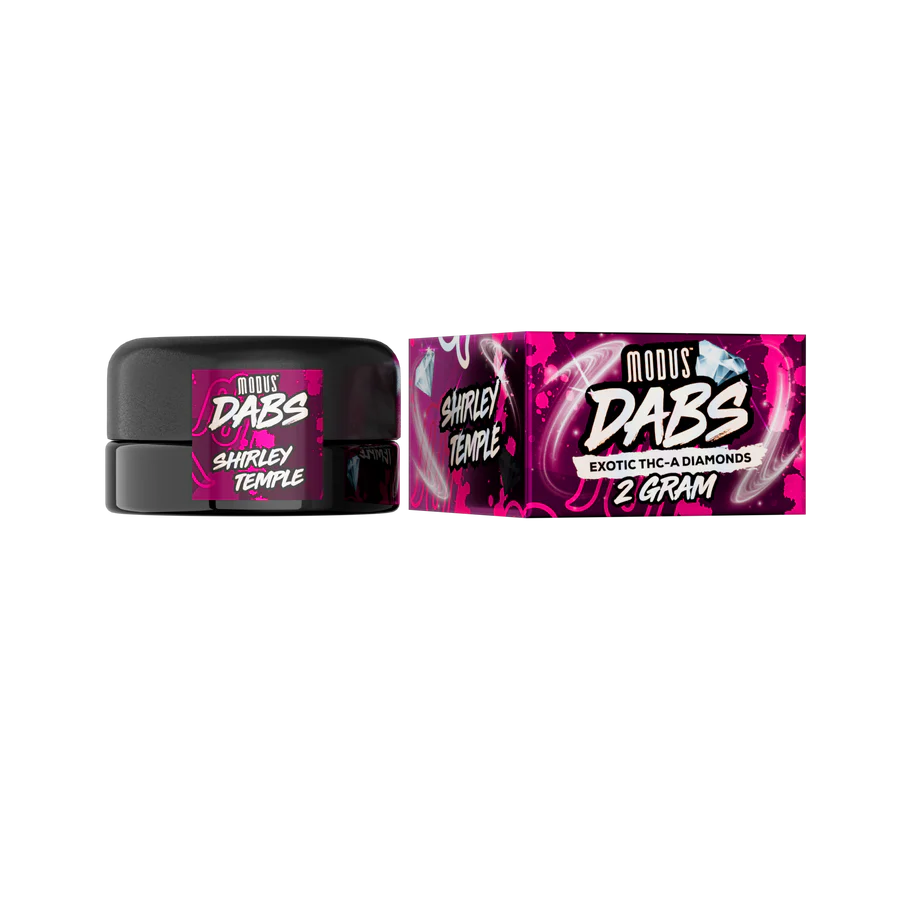
Live resin is a type of concentrate made from fresh plant material that was frozen right after harvest and kept frozen throughout the entire extraction process. That single step changes everything.
How It's Different From Other Concentrates
Most concentrates start with dried, cured flower. Live resin skips that process entirely. By keeping the plant frozen, more of the natural terpenes, the compounds responsible for flavor and aroma, survive the extraction. The result is a concentrate that smells and tastes much closer to the original plant than most other options on the market.
What Live Resin Looks Like
Live resin typically has a saucy, sticky consistency. It can range from a thick liquid to a more solid, waxy texture, depending on the batch and how it's been handled. You'll commonly find it in vape cartridges, as a standalone dab product, or infused into other items like pre-rolls and edibles.
The Full-Spectrum Advantage
Since the terpene profile stays more intact, live resin is often called a full-spectrum extract. That means it holds onto a wider variety of the plant's natural compounds rather than isolating just one. For users who care about a well-rounded, layered experience, live resin is usually at the top of the list.
What Are Liquid Diamonds?
Liquid diamonds are a newer format that has picked up serious momentum, especially in the vape cart market. They're known for their exceptionally high potency and smooth consistency, but the way they're made is a bit more involved than live resin.
Breaking Down the Process
Liquid diamonds start with THCa diamonds, crystalline structures of near-pure THCa (tetrahydrocannabinolic acid) that form during extraction. These diamonds are then reintroduced to a terpene-rich sauce and processed until the mixture reaches a liquid state. The result is a high-potency, fluid concentrate that works well in vape carts and syringes.
The Potency Factor
One of the biggest reasons people are drawn to liquid diamonds is the THC content. Because THCa diamonds are highly concentrated, liquid diamonds often test at 90% THC or higher. That's a significant jump compared to many other concentrate formats, and it's a major selling point for users who have built up a tolerance or who simply prefer a more powerful experience.
How Liquid Diamonds Feel To The Touch
The texture is smooth and consistent, which makes it easy to load into carts and devices. It also tends to produce cleaner vapor than some other concentrate types, which a lot of users appreciate. In the live resin vs liquid diamonds debate, liquid diamonds consistently win on the raw potency side.
Live Resin vs Liquid Diamonds: How They're Made
Understanding the production process helps explain why these two concentrates hit so differently. Both start with quality material, but the path to the final product takes completely different routes.
The Live Resin Process
Live resin production begins the moment the plant is harvested. Producers flash-freeze the material, often using dry ice or liquid nitrogen, to lock the full terpene and cannabinoid profile before any degradation can occur. From there, the frozen material goes through a hydrocarbon extraction (usually butane or propane), and the result is refined into the final product with minimal additional processing.
The goal throughout is to preserve as much of the plant's original character as possible. That can also mean storing your live resin products in a cool, dark place (or fridge), to prevent those terpenes from evaporating.
The Liquid Diamonds Process
Liquid diamonds take a few more steps to produce. The process starts with a standard concentrate extraction, but during purging and storage, THCa crystals begin to form naturally. These crystals, the "diamonds," are then separated, collected, and eventually reintroduced to high-terpene extract (HTE) sauce. It is this sauce that gives liquid diamonds their fluid consistency. The mixture is then processed until it reaches a uniform, liquid state ready for filling into carts or packaging.
You should know, liquid diamonds in a cart have already been "decarbed" (heated) so they stay liquid and don't recrystallize inside the cartridge. This is actually a common problem with low-quality hardware.
Why the Process Matters
The production method directly affects the final product's flavor complexity, potency, and overall character. Live resin's minimal processing keeps the experience plant-forward and rich. Liquid diamonds' more involved process strips things down first, then rebuilds them. This results in high potency but a slightly more one-note experience. When weighing live resin vs liquid diamonds, the process is the starting point for understanding every difference that follows.
Live Resin vs Liquid Diamonds: How They Hit
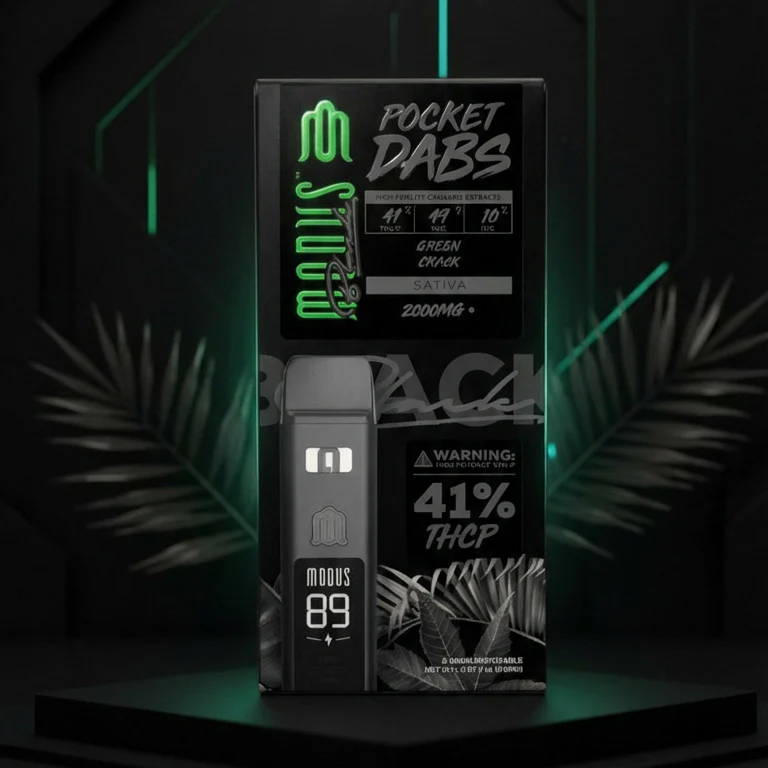
Potency and effect are usually the first things people want to know about. Here's how each one performs.
The Live Resin Experience
Live resin tends to deliver a more balanced, well-rounded effect. Because it preserves a broader range of the plant's natural compounds, the experience often feels layered. It is not just a single rush but a gradual, full-body effect that increases over time. Users who prefer a more nuanced, plant-forward experience often gravitate toward live resin for exactly this reason.
The Liquid Diamonds Experience
Liquid diamonds hit hard and fast. The elevated THC levels mean even experienced users should go in with some care if they're trying it for the first time. The effect tends to be more direct and powerful, which makes liquid diamonds a go-to for those who need something stronger or have a well-established tolerance.
Which One Is Right for Your Tolerance?
For newer users or those who prefer a more manageable experience, live resin is the friendlier starting point. For seasoned users looking for a stronger session, liquid diamonds deliver. When considering live resin vs liquid diamonds based on effect alone, your personal tolerance level should drive the decision more than anything else.
Live Resin vs Liquid Diamonds: Taste and Flavor
Flavor is one of the biggest differentiators in the live resin vs liquid diamonds conversation, and it's a big reason why so many users have strong preferences.
Live Resin's Terpene-Rich Profile
Live resin is widely regarded as one of the most flavorful concentrate formats available. Since it's made from fresh-frozen material, the terpene content is significantly higher than in most other products.
This translates directly into a taste experience that's vibrant, complex, and closer to the real plant. It also has notes that can range from fruity and floral to earthy and piney, depending on the strain used. Live resin also tastes better at lower voltages, like 2.2V–2.8V, since it saves the flavor.
What Liquid Diamonds Taste Like
Liquid diamonds offer a cleaner, more neutral vapor. The terpenes in liquid diamonds come from the sauce they're blended with, which does provide flavor. However, this flavor is typically less complex than live resin.
Many users describe liquid diamonds as tasting smooth and refined, rather than bold and expressive. If a strong, strain-specific flavor is a priority, live resin has the edge. If you prefer a cleaner hit without as much flavor intensity, liquid diamonds, cranked up to a bit more than 2.2V–2.8V, will taste better.
Live Resin vs Liquid Diamonds: Price and Value
Budget matters, and the live resin vs liquid diamonds comparison wouldn't be complete without a look at what each one typically costs on the quantity-quality scale.
Why Live Resin Tends to Cost More
The fresh-frozen process requires faster handling, more careful storage, and specialized equipment. All of that adds up. Live resin is generally priced higher than standard concentrates, though it's become more accessible as production has scaled. You're paying for the preservation of terpenes and a more complex product.
The Value Proposition of Liquid Diamonds
Liquid diamonds can actually offer strong value on a per-potency basis. Because the THC content is so high, you often need less of it to achieve the effect you're after, which stretches the product further. Depending on the brand and market, liquid diamonds may be priced similarly to or even lower than live resin, making them a cost-efficient option for high-tolerance users.
Which One Should You Choose?
At the end of the day, the live resin vs liquid diamonds choice comes down to what you value most in a session. Both are quality products that started the same way, but just serve different needs.
Choose Live Resin If...
- You care about flavor above everything else,
- You want a full-spectrum experience that keeps more of the plant's natural character,
- You're a newer user or prefer a more moderated effect, or if
- You enjoy variety across different strains and appreciate terpene-rich complexity.
Choose Liquid Diamonds If...
- You want maximum potency in every hit,
- You prefer a cleaner, smoother vapor experience,
- You have a higher tolerance and want something that delivers a stronger effect, or if
- You value a consistent, fluid product that's easy to use in standard vape hardware.
Can You Use Both?
Yes, you can absolutely use both. Many users rotate between live resin and liquid diamonds depending on the occasion. Live resin for the flavor-focused sessions, liquid diamonds for when you need something stronger. Knowing what each one does well puts you in a better position to get the most out of both.
Final Thoughts
The live resin vs liquid diamonds debate doesn't have a definitive winner; instead, it has two very different products built from the same source that have two very different purposes. Live resin is the choice for terpene lovers and those who want a layered, plant-forward experience. Liquid diamonds are the go-to for anyone chasing high potency and a smooth, consistent hit.
Now that you know the difference, the ball is in your court. Ask yourself the question, which one fits what you're looking for right now? If you have an answer, then go get it.
FAQs
Are liquid diamonds stronger than live resin?
Yes, in most cases. Liquid diamonds are typically formulated with very high THC concentrations, often 90% or more, which makes them more potent than the average live resin product.
Is live resin of better quality than liquid diamonds?
Not necessarily. "Better" depends on what you're looking for. Live resin is considered higher quality from a flavor and full-spectrum perspective. Liquid diamonds are considered premium from a potency standpoint. Both are quality formats made through deliberate processes.
Can you use live resin and liquid diamonds in the same vape cart?
Both are commonly available in standard 510-thread vape cartridges, so the hardware is often compatible. However, you wouldn't mix them in a single cart. Each product is meant to be used on its own as they are safer that way.
Which is better for beginners, live resin or liquid diamonds?
Live resin is the friendlier starting point. The potency is more manageable, and the flavor gives a lot to appreciate without being overwhelming. Liquid diamonds, with their very high THC levels, are better suited to users who have already built up some familiarity with concentrates.
Do live resin and liquid diamonds come in different strains?
Yes. Both formats are typically available in a range of strain options. With live resin, the strain choice has a more noticeable impact on the experience since the terpene profile is more intact. With liquid diamonds, strain differences are present but tend to be subtler given the processing involved.
