Ball Vape Guide for Dry Herb Sessions: Flavor, Control, and Portable Convection
Table of Contents
Ball vape sessions have a very specific vibe. The pull feels open, the vapor shows up fast, and the flavor can stay clean longer than expected when the heat timing is on point. That happens because the heat is being held and spread through ball media, not dumped into one spot. Instead of the bowl getting cooked unevenly, warmed air moves through the load and keeps extraction steady. When the rhythm is right, it feels like the device is doing the hard part and the session just flows.
Ball vape usually gets pictured as a big desktop setup, but portable versions bring the same idea into a pocketable format. Heat still comes from a torch or an induction heater, so there is no battery stress. The click-based heat cue keeps things simple, because the device calls out when it is ready and when it has cooled. With a portable ball vape, the session can stay consistent without dealing with screens, settings, or charging. That simplicity is the whole point, especially when the goal is clean vapor without extra steps.
And when it comes to something truly different, Dynavap stands out for people who value quality and memorable experiences. They also keep affordability in mind, use 25dyna25 to get 20% off your purchase.
This guide breaks down what makes a ball vape work, how titanium unibody builds change handling, and how airflow settings tune a hit.
What Makes a Ball Vape Feel So Different
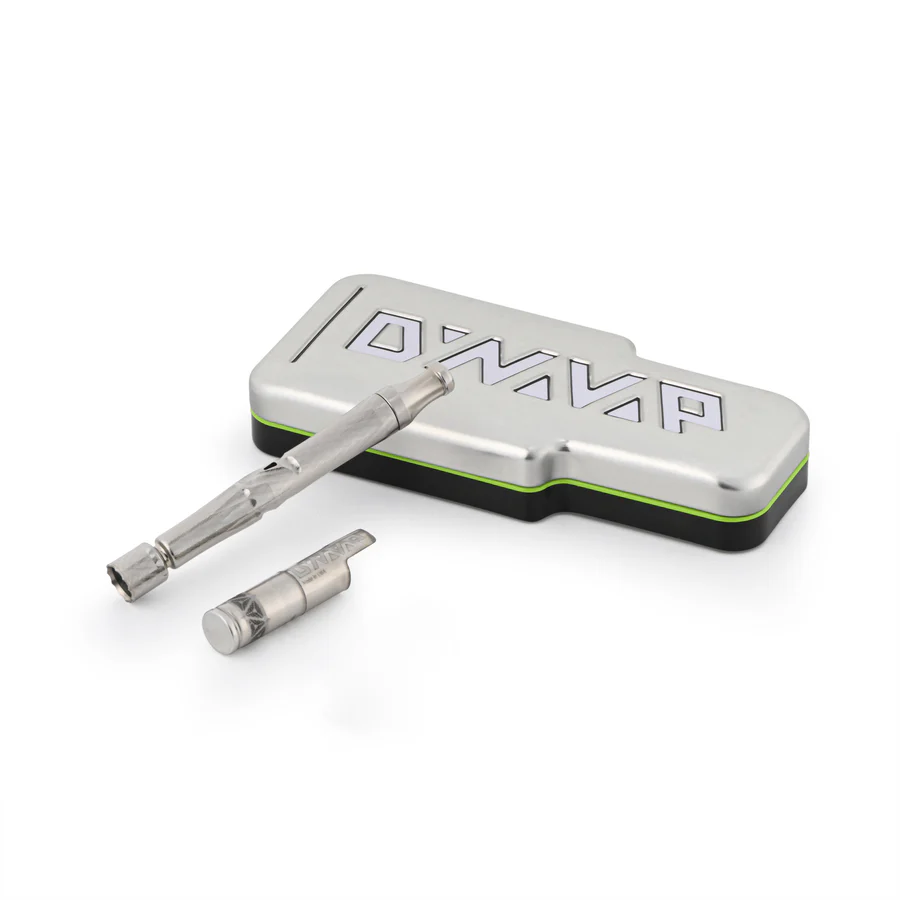
A ball vape uses small balls as heat-retaining media inside or around a cap or heater section. Those balls store heat, then help warm the air that gets pulled through the bowl. That warmed air does the extraction work, which is why ball vape setups lean convection. Convection matters because it can keep the bowl from getting nuked in one spot, and it helps make the session feel more even from the first pull to the last pull. When things are dialed, the vapor shows up with less guessing.
Another big difference is how the heat cycle is managed. Many portable designs use a click system, so a clear sound signals when the cap hits working temperature. A second click signals cooldown. That makes the whole loop easy to repeat, which is clutch for consistency. For people who want reliable sessions and do not want to babysit a screen, a ball vape setup fits the rhythm.
It also fits the culture of people who rotate multiple dry herb vaporizers depending on the day. Some setups are battery-based and convenient, but they can feel limited when the battery dips or the heater struggles with dense packs. A ball vape has the “just bring heat and go” style that stays reliable.
How Ball Media Makes Convection Hit Harder
Ball media is basically a heat bank. When the cap gets heated, the balls soak up energy and hold it. When a draw starts, that stored heat warms the air moving through the cap. That warmed air then moves into the bowl, and that is where extraction happens. This is why the first pull can still feel full, and why the next pulls can stay consistent without the device feeling random.
The ball material matters, but the main idea stays the same. Stainless steel balls heat fast and keep heat steady. Some setups use gem-style balls like small sapphire balls, which can change heat retention and airflow behavior. The detail that matters most is how evenly heat gets spread and how airflow stays open. A ball vape works best when air can move freely and heat does not spike in one spot.
Perforation design also plays a role. When the cap has holes designed to support airflow, hot air can spread more evenly. That helps keep the session smoother and keeps the load from tasting toasted too early. It also makes the inhale feel less restricted, which is part of why the experience feels “clean” when everything is tuned.
Why Click-Based Heat Cues Make Sessions Easy
Manual heat can be simple, but overheating is real if there is no feedback. Click cues fix that by giving a clear “go” signal. Heat until the click, stop heating, inhale. Then wait for the cool click before heating again. This keeps timing consistent and helps prevent pushing the bowl too far. It also builds muscle memory fast.
Click cues matter even more in a ball vape because the balls retain heat between pulls. That retention is good for consistency, but it means extra heating after the click can stack heat too hard. The click keeps the whole cycle in a safe, repeatable range. It also keeps flavor cleaner because the load is not getting cooked while the device is just sitting there.
The click also supports better draw timing. When the inhale starts right after the click, convection airflow is doing the work at the right moment. Waiting too long can let heat sit and roast the bowl without airflow. That is usually when flavor drops fast. A ball vape feels best when the click is treated like a clear signal to start the pull.
Portability Changes the Whole Ball Vape Conversation
Big ball vape rigs are cool, but portable ball vape designs bring the same concept into real life use. A pocket tool that can deliver convection-focused hits without needing a battery is a big deal. It means a session can happen anywhere a torch or induction heater is available. It also means no charging anxiety and no “battery got weak so the session got weak” situation.
Portability also pushes smart design choices. Lightweight titanium keeps carry weight down while staying durable. XL length can cool vapor before it reaches the mouthpiece, which helps with comfort over repeated cycles. A ball vape that can travel and still keep sessions smooth is the kind of setup that stays in rotation.
The last portability win is maintenance. Portable designs that keep parts minimal are easier to clean and less annoying to own. If a device feels like a whole project just to keep it tasting clean, it gets used less. A portable ball vape should be something that can live in a case and be ready.
Titanium Unibody Design and Why It Feels So Clean
A titanium unibody design means the tip and stem are integrated into one unit. That might sound like a small detail, but it changes a lot. Fewer joints means fewer places for air leaks and fewer places for residue to hide. It also makes the device feel more solid in hand, because there is less “wiggle” between parts. In a ball vape setup, that stability helps keep airflow and heat behavior consistent.
Titanium also fits portable use. It can handle repeated heat cycles and daily carry without feeling fragile. When a protective finish is used, the device can resist wear from pocket life. The finish is not a performance feature, but it helps the device stay clean-looking and easier to wipe down. This is the kind of build choice that often comes up when people argue about what counts as a best dry herb vaporizer for regular use.
Unibody Construction Keeps Airflow Predictable
Ball vape extraction depends on airflow. If airflow changes every time the device is assembled, results get inconsistent. A unibody air path is more stable because there are fewer seams and fewer connection points that can loosen. That stability shows up as repeatable draw resistance and repeatable vapor output. It also keeps the click timing more consistent since the cap fit stays the same.
Less assembly also means less user error. When there are fewer parts, there are fewer ways to put something back wrong. That matters because a bad seal or misaligned piece can wreck airflow and make the session feel weak. A unibody design keeps things straightforward. That is the kind of “grab and go” simplicity that people actually want.
Unibody designs also make cleaning easier. Resin has fewer joints to creep into. That helps flavor stay clean over time, which matters for anyone who cares about tasting the material instead of tasting old buildup.
Heat Break Tech Keeps Hands Cooler
Portable ball vape designs can include a heat break between the extraction chamber and the stem. The point is to slow down heat transfer up the body. This matters because ball media holds heat, and repeated cycles can warm a device fast. A heat break helps keep the device comfortable to hold and helps keep vapor cooler.
Cooler handling also supports better sessions. When the stem stays cooler, it stays easier to grip and easier to control. It also helps keep residue from baking into parts of the vapor path that should stay cooler. Heat staying where it belongs keeps flavor more stable and keeps maintenance simpler.
XL length adds another comfort layer. More distance means vapor has more time to cool before it hits the mouthpiece. For longer sessions, that can make the experience feel smoother. A ball vape that stays comfortable over multiple cycles is way more usable.
Adjustable Bowl Size Keeps the Device Flexible
An adjustable bowl lets the chamber size shift for microdosing or full loads. That matters because not every session needs a full bowl. A microdose setting can make small loads feel complete and efficient. A full bowl setting supports longer sessions without constant reloads. Having both options keeps the device practical across different days.
A bowl size around 0.1 grams is common for portable designs like this. That size can feel efficient because it extracts quickly and can still hit strong when airflow and heat timing are correct. In a ball vape, heat retention means even a small load can produce a full session feel. Efficiency shows up as complete extraction without burning.
Load control also helps consistency. When the same chamber size is used regularly, the timing becomes easier to repeat. A ball vape loves repeatable habits, because that is how flavor and density stay consistent without overthinking every session.
Airflow Control That Lets a Ball Vape Be Tuned Fast
Airflow is where a ball vape gets personalized. Convection depends on air movement, so airflow changes everything. More open airflow can keep the inhale smooth and flavor-forward. More restricted airflow can increase density, but it can also push heat harder through the load. The sweet spot depends on how the device is heated and how the bowl is packed.
Some portable designs offer a condenser with seven airflow settings. That gives a real range without turning the device into a complicated gadget. When airflow is easy to adjust and easy to repeat, the session becomes consistent. This is where the ball vape vibe really comes alive, because the device can be tuned without stress.
Seven Airflow Settings and How They Change the Hit
More airflow settings do not mean a session has to get complicated. The feel is simple. Tighter settings increase resistance and slow the inhale, which can boost density. Open settings reduce resistance and can keep vapor lighter and cooler. Both can work depending on the material and the heat source.
A ball vape tends to perform best with steady draw speed. Airflow settings help match the draw to the device. If the draw is too tight, the inhale gets choppy and convection suffers. If the draw is too open, the inhale can cool the chamber too fast and thin the vapor. A mid-range airflow setting is usually the easiest place to start.
Airflow also interacts with grind and pack. Fluffier loads let air pass easily, so they can handle tighter settings. Dense packs need more open airflow to avoid clogging. Having seven settings means the device can adapt to how the material was ground and packed without the session falling apart.
Airport Control for Real-Time Adjustments
Airports are simple but powerful. An airport is a small inlet that can be covered or left open during a draw. Open airport means more fresh air mixing with vapor, which can smooth and cool the hit. Covered airport pulls more directly through the bowl, which can increase density. The adjustment is immediate, and it can be done mid-inhale.
Airport use also helps manage heat. A ball vape can deliver strong convection, so cracking the airport open can make a hit smoother. It can also keep flavor cleaner late in the bowl because airflow stays less restricted. This is a quick, simple tool for controlling the session without changing heat timing.
An easy-to-find airport matters for portability. If the airport sits in a predictable spot, control feels natural. That makes the device feel intuitive instead of fussy. When a session feels intuitive, the device gets used more.
Water Piece Compatibility and Why It Works So Well
Some portable ball vape designs include a mouthpiece that fits a 10mm taper for water piece use. Water can cool vapor and reduce dryness, especially during repeat cycles. It also supports longer inhales without irritation. For people who like cooler, smoother pulls, this is a big deal.
Water changes draw style too. Water resistance often encourages a slower inhale, which supports convection. Slower draws give hot air more time to warm and move through the load. That can make extraction more even and can help avoid harsh late-bowl hits. When heat timing is on point, a ball vape with water can feel very smooth.
Water compatibility also adds flexibility. Dry sessions work for quick use. Water sessions work for longer, more relaxed sessions. A portable ball vape that can do both covers more styles without needing a second device.
How to Use a Ball Vape Without Wasting Material
A ball vape does not need a complicated routine. The basics matter more than extra steps. Pack for airflow, heat with consistent timing, and inhale steadily. When those three are handled well, the device stays efficient and the bowl finishes evenly. That efficiency is part of why ball vape setups stay popular.
The loop stays simple. Remove the cap, load the bowl, replace the cap, heat until the click, inhale, then wait for the cool click. After that, either reheat for another cycle or clear the bowl. That rhythm is easy to repeat and it stays reliable. It also fits people who want a setup that feels clean and direct, like a pocket tool instead of a gadget.
Packing and Loading for Even Extraction
A medium grind is usually the move. Too fine can clog airflow and make the draw feel tight. Too coarse can create gaps that reduce extraction. The goal is a grind that lets air move through the load while keeping enough surface area for efficient extraction. With a ball vape, airflow is the engine, so keeping it open matters.
Packing should stay light. Overpacking can choke airflow and cause uneven extraction. Underpacking can let air slip past the load and reduce performance. A gentle tamp can seat the material without compressing it. That balance keeps airflow stable and keeps flavor clean.
For people who collect multiple devices, a ball vape can pair well with other styles. A clean, convection-focused session complements more classic devices in a collection. That is part of why the keyword glass dry herb vaporizer still shows up in collections, even when a ball vape becomes the daily driver for flavor.
Torch Heating for Consistent Click Timing
Torch heating works best with steady rotation and controlled distance. The flame should sit just off the cap, not blasting one spot. Rotation spreads heat and keeps timing consistent. When the click happens, heating should stop. That timing matters because ball media retains heat, and extra heat after the click can push the session too hard.
A single flame torch can be easier to control. Stronger torches can heat faster, but they can also raise the risk of overheating. Consistency matters more than speed. The goal is repeatable timing that produces repeatable hits.
Draw speed matters too. A slow, steady inhale helps warmed air move through the bowl evenly. Pulling too hard can cool the cap too fast and thin vapor. Pulling too softly can let heat sit and roast the load. A ball vape feels best with a steady inhale that matches the airflow setting.
Induction Heating for Repeatability
Induction heating can make sessions feel smooth and repeatable. The cap can be placed into an induction heater until the click happens. That makes timing consistent across cycles. Since the ball vape concept depends on steady heat retention, induction can match that style well. It also removes torch noise and can feel cleaner indoors.
Some setups are optimized for induction with an adapter. Compatibility matters, especially with different cap designs. The click cue still matters because it signals when to inhale. Induction is consistent heating delivery, not automatic control.
Induction also supports quick repeat cycles. Heat until the click, inhale, cool until the click, repeat. That rhythm becomes easy. For people shopping at a dry herb vaporizer store, induction compatibility often becomes a deciding factor because it changes how effortless the session feels.
Knowing When a Bowl Is Done
A ball vape can pull a lot from a small load. Early hits usually carry the best flavor. Mid hits can carry the most density. Late hits can taste toasted if the load is near the end. The click cue helps keep heating in range, but the bowl still changes as extraction completes.
When vapor thins and flavor drops, the load may be close to done. Material color usually shifts from green to brown. If the taste turns dry or roasted, pushing another cycle may not be worth it. Ending the session at the right time keeps flavor clean and keeps the experience smooth.
Already-vaped material can be saved if needed. Some people keep AVB for later use depending on local rules and preferences. The key is not forcing a bowl past its best stage. A ball vape feels better when the session ends clean.
Cleaning and Maintenance That Keeps Ball Vape Flavor Strong
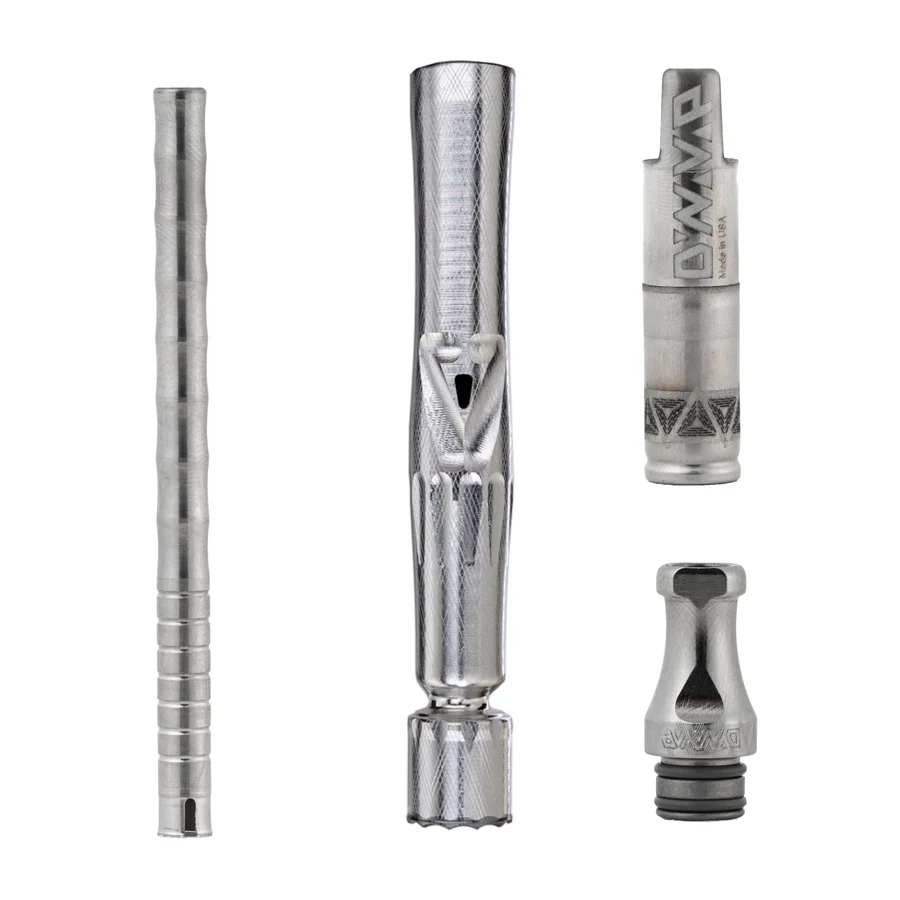
A ball vape stays consistent when airflow stays open and residue stays under control. Resin buildup can tighten airflow, dull flavor, and make draw resistance feel annoying. Cleaning does not have to be a big event, but it has to be regular. A short routine prevents deep buildup and keeps sessions predictable.
Portable designs with fewer parts make this easier. Some setups use only two O-rings, which keeps maintenance simple. Less disassembly means less time spent rebuilding. The goal is simple, keep the vapor path clean so convection stays effective. That is how the ball vape stays in the “used daily” category.
Daily Cleaning That Actually Matters
After a session, brushing the chamber helps keep loose particles from baking into residue. A quick brush while the device is warm, not hot, can clear the bowl easily. A gentle tap can clear the chamber too, but it should be controlled to protect parts. Keeping the chamber clean helps airflow stay consistent.
The mouthpiece area also collects condensation. Wiping it with a cotton swab keeps buildup from forming. Small habits like that keep flavor clean. Waiting too long makes residue harder to remove and makes cleaning annoying.
A daily routine keeps the premium vape device tasting the way it should. Flavor drops slowly when residue builds, so it can be missed at first. Staying consistent with small cleaning steps keeps sessions on point.
Deep Cleaning With ISO and O-Ring Care
Deep cleaning usually means disassembly and soaking metal parts in isopropyl alcohol. O-rings should be removed before soaking because alcohol can dry some rubber materials. O-rings can be cleaned by hand with mild soap and water, then dried fully. After cleaning, parts should dry completely before reassembly.
Drying matters because trapped alcohol can affect taste and can irritate the throat. Full evaporation is the goal. Once parts are dry, reassembly should be gentle to avoid damaging seals. Devices with fewer O-rings make this easier.
Deep cleaning frequency depends on use. Daily users often deep clean weekly. Lighter use can stretch that schedule. If draw resistance increases or flavor turns dull, cleaning should happen sooner rather than later.
Screens and Ball Media Maintenance
Screens keep fine particles out of the inhale. Over time, screens can clog with residue and plant dust. A clogged screen reduces airflow and weakens convection. Cleaning a screen can involve soaking or gentle brushing, depending on how it is designed. If it is removable, handling should be careful to avoid bending it.
Ball media inside a cap can also collect residue. Some caps allow media swaps, while others are not meant for frequent disassembly. If access is available, cleaning can keep airflow holes clear and performance consistent. If it is not meant to be opened often, cleaning the outside and keeping perforations clear becomes more important.
Keeping screens and airflow holes clean is the fastest way to keep a ball vape feeling strong. This is also a good habit for anyone rotating different types of devices, including a glass dry herb vaporizer that usually needs extra residue control because glass can show buildup fast.
Final Thoughts
Ball vape setups bring a clear win in control. Ball media supports steady convection, and that can keep flavor clean and extraction even. Click cues make heat timing easy to repeat, which makes sessions consistent without guessing. Airflow settings add customization without turning the device into a complicated gadget. In portable form, the same ball vape concept becomes something that can actually travel and still hit reliably.
Titanium unibody builds keep things practical. Fewer parts means fewer leaks and fewer maintenance headaches. A heat break can keep handling comfortable across repeat cycles. XL length helps cool vapor and can make longer sessions smoother. Adjustable bowl size keeps the device flexible for small or full loads without changing the whole routine.
A ball vape rewards basic technique. A steady pack, consistent heating, and smooth inhales do most of the work. Keep the device clean and keep airflow open, and performance stays predictable. That is the kind of setup that stays in rotation for people who care about taste and control.
FAQs
What does “ball vape” mean in a portable device?
A ball vape in a portable device usually means the cap contains small balls that retain heat and warm incoming air during a draw. That warmed air moves through the bowl and extracts compounds through convection. Portable ball vape designs often use a click cue to signal when the cap reaches working temperature. This keeps timing simple and repeatable.
Does a ball vape work better with a torch or induction heating?
Both can work well. Torch heating offers direct control and can heat quickly with practice. Induction heating often feels more repeatable because heat delivery can be consistent across cycles. Compatibility depends on cap materials and the specific design. The click cue stays important for both methods because it signals when to start the inhale.
How many heat cycles can a bowl handle with a ball vape?
It depends on bowl size, grind, moisture level, and draw speed. Many sessions allow multiple heat cycles because convection stays efficient when airflow is stable. Early cycles often carry the cleanest flavor, mid cycles can carry strong density, and late cycles can taste toasted. The bowl is usually done when vapor thins and flavor drops.
Which airflow setting works best on a ball vape with multiple settings?
A mid-range setting is often the easiest starting point. Tight airflow can boost density but may require slower inhales to avoid pushing heat too hard. Open airflow can keep the inhale smooth and flavor-forward but may thin vapor if the draw is too fast. The best setting is the one that keeps vapor consistent without making the draw feel uncomfortable.
How often should a ball vape be cleaned?
Light cleaning after each session helps keep airflow open and flavor clean. Deep cleaning frequency depends on use, but weekly deep cleaning is common for daily use. O-rings should usually be removed before alcohol soaking and cleaned separately. Screens and airflow holes should stay clear because convection performance depends on airflow. Regular cleaning keeps the click fit consistent and keeps sessions tasting clean.
