HHC vs THC: Differences in Potency, Effects, and Duration
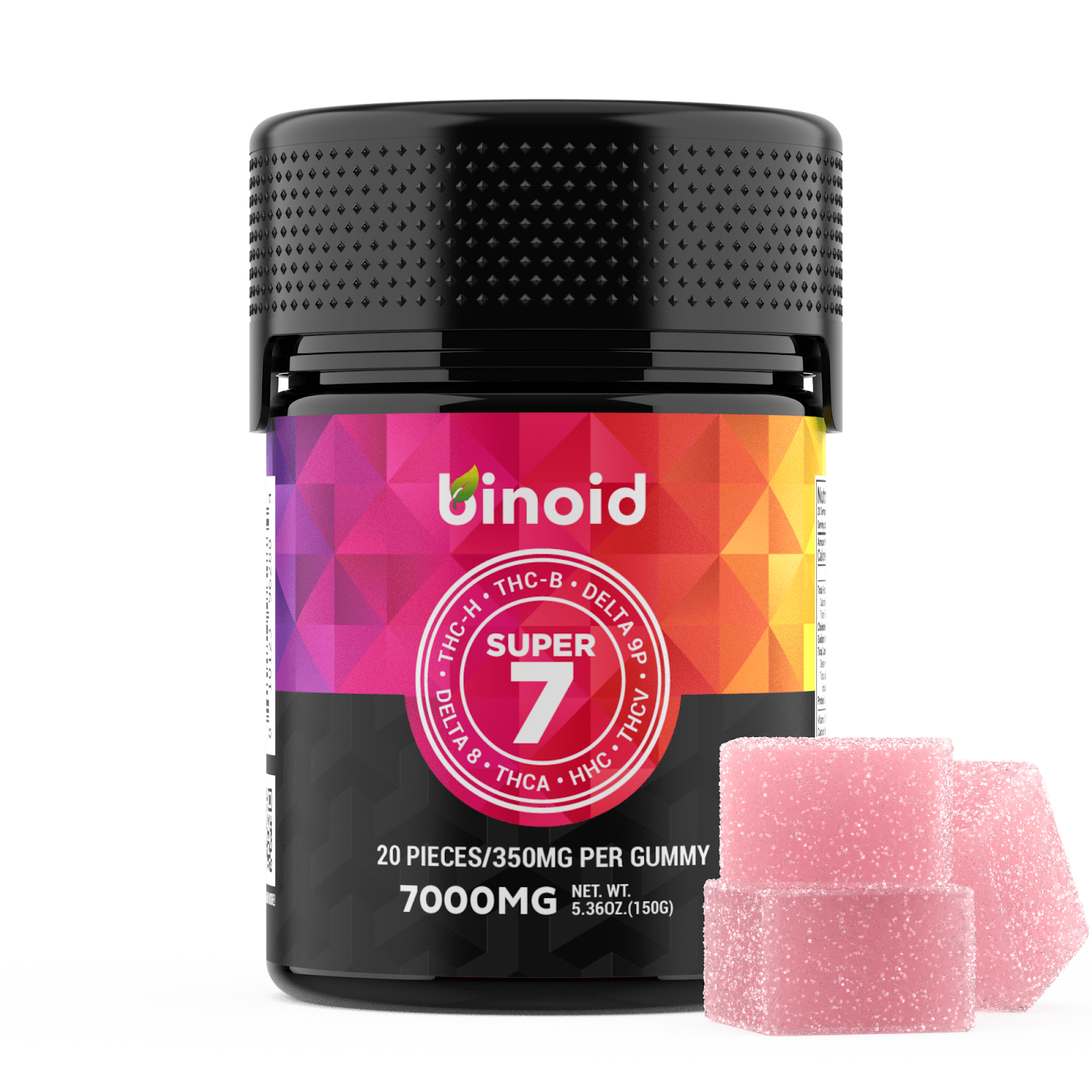
Table of Contents
The HHC vs THC debate has been picking up steam, and if you've spotted HHC sitting on shelves next to your usual go-to products, you're probably wondering what the actual difference is, or if there even is one.
This article walks through the full comparison of how each one is made, which one hits harder, what the experience feels like, how long it lasts, and where the law stands on both. By the end, you'll have a clear picture of which one fits what you're looking for.
Speaking of HHC vs THC and the right fit, Binoid has been one of the most trusted names in the hemp space, and right now, you can purchase some of your favorite hemp products for 30% less. Just use the coupon code 30BIN at checkout and enjoy.
HHC vs THC: A Simple Breakdown
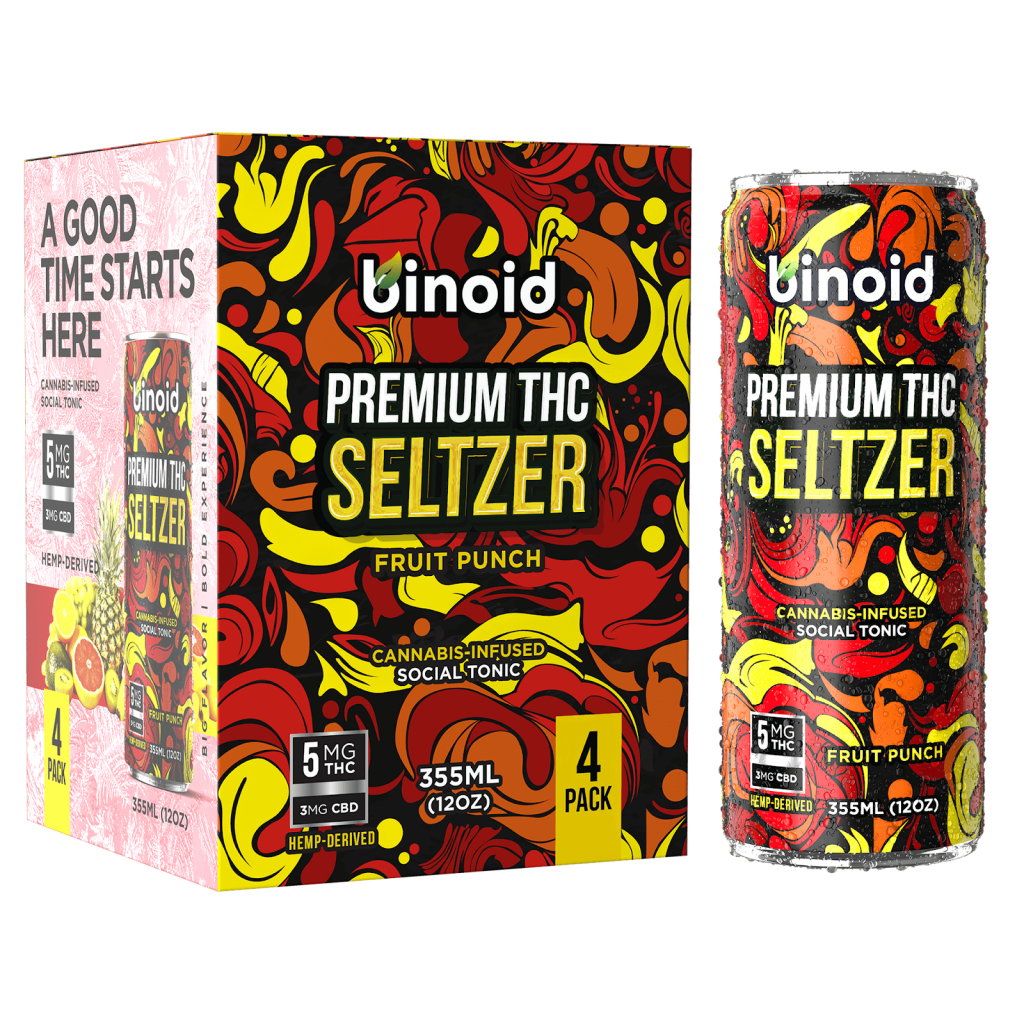
Here’s a simple breakdown of the HHC vs THC debate. You’ll see how each product relates but differs in parts.
THC
THC, or tetrahydrocannabinol, is the compound that produces the intoxicating effect in marijuana. It forms naturally in the plant, and it's what most people are referring to when they talk about getting high. Delta-9 THC is the most common and most well-known form. It's also the benchmark for all the comparisons established in this guide.
HHC
HHC stands for hexahydrocannabinol. Structurally, it's close to THC, but it doesn't come straight from a plant. HHC is produced through a process called hydrogenation, where hydrogen atoms are added to THC derived from hemp. The result is a compound that affects the same receptors as THC but behaves a little differently once it gets there.
The key distinction in the HHC vs THC comparison: THC comes from the marijuana plant, while HHC is made from hemp through a lab process. That difference is what puts them in separate legal categories in most of the country.
HHC vs THC Production Process: Key Factors to Note
Understanding how each one is produced helps explain why they're not identical, even though they're closely related.
THC: Straight From the Plant
Delta-9 THC occurs naturally in marijuana. Growers cultivate strains to maximize how much of it the plant produces. It's then extracted and refined, but the starting point is always the plant itself.
HHC: A Lab-Made Compound From Hemp
HHC doesn't exist in usable quantities in nature. It's made by taking THC from hemp and running it through a hydrogenation process. It’s the same basic concept as turning liquid vegetable oil into solid margarine. Same core material, different process, different molecule at the end.
One notable result of that process: HHC is more chemically stable than THC. It holds up better against heat and light, which gives it a longer shelf life. Hence, HHC has a better storage lifespan compared to THC.
HHC vs THC Potency: Which One is Stronger?
Potency is usually the first thing people want to settle in the HHC vs THC debate. Here's the straight answer.
THC Is Stronger
Delta-9 THC is stronger than HHC. If you're accustomed to full-strength Delta-9, HHC will feel like a noticeable step down in intensity. However, it’s not a dramatic drop, but slight enough to tell the difference.
Where HHC Lands on the Spectrum
HHC sits somewhere between Delta-8 and Delta-9 in terms of how strong it is. It produces a real effect. This isn't a mild or subtle experience, but it doesn't hit the same ceiling as Delta-9 at higher doses. For anyone who finds Delta-9 too intense, HHC can offer something more dialed-in without losing the effect entirely.
Potency also varies by brand, product type, and individual body chemistry. The HHC vs THC strength gap you personally feel could be wider or narrower depending on all of those factors. Starting low is smart with either one.
HHC vs THC Effects: What Does Each One Feel Like?
Both compounds work through the body's endocannabinoid system, but the experiences they produce are described differently.
What THC Feels Like
Delta-9 THC at a standard dose brings on a strong sense of euphoria, deep relaxation, increased appetite, and heightened sensory awareness. At higher doses, it can tip into anxious or paranoid territory for some people, particularly those who are new to it or more sensitive to it. It's a powerful, full-bodied experience, and that's exactly what a lot of people are looking for.
What HHC Feels Like
The HHC effect produces a smoother, more even-keeled experience. The high is real, but it tends to feel cleaner and less likely to veer into anxiety at moderate doses. It's not heavily sedating the way high-dose THC can be. As such, you can stay clear-headed while using it..
HHC vs THC Duration: How Long Do the Effects Last?
Duration is one of the more practical questions in the HHC vs THC comparison, especially if you're planning around your day.
How Long Does THC Last?
With Delta-9 THC, the delivery method drives duration more than anything else. Smoked or vaped, it typically kicks in within a few minutes and winds down within one to three hours. Taken as an edible, onset can take 30 minutes to two hours, depending on metabolism, and the effects can stretch four to eight hours or longer.
How Long Does HHC Last?
HHC follows a similar pattern. When inhaled, the window runs roughly one to three hours, which is on par with smoked THC. With edibles, the timeline extends in the same way. The overall duration difference between HHC and THC is minimal. What matters more is how you're consuming it.
One consistent rule for both: don't redose too quickly, especially with edibles. Give it time before deciding the first dose wasn't enough.
HHC vs THC: Which One Should You Try?
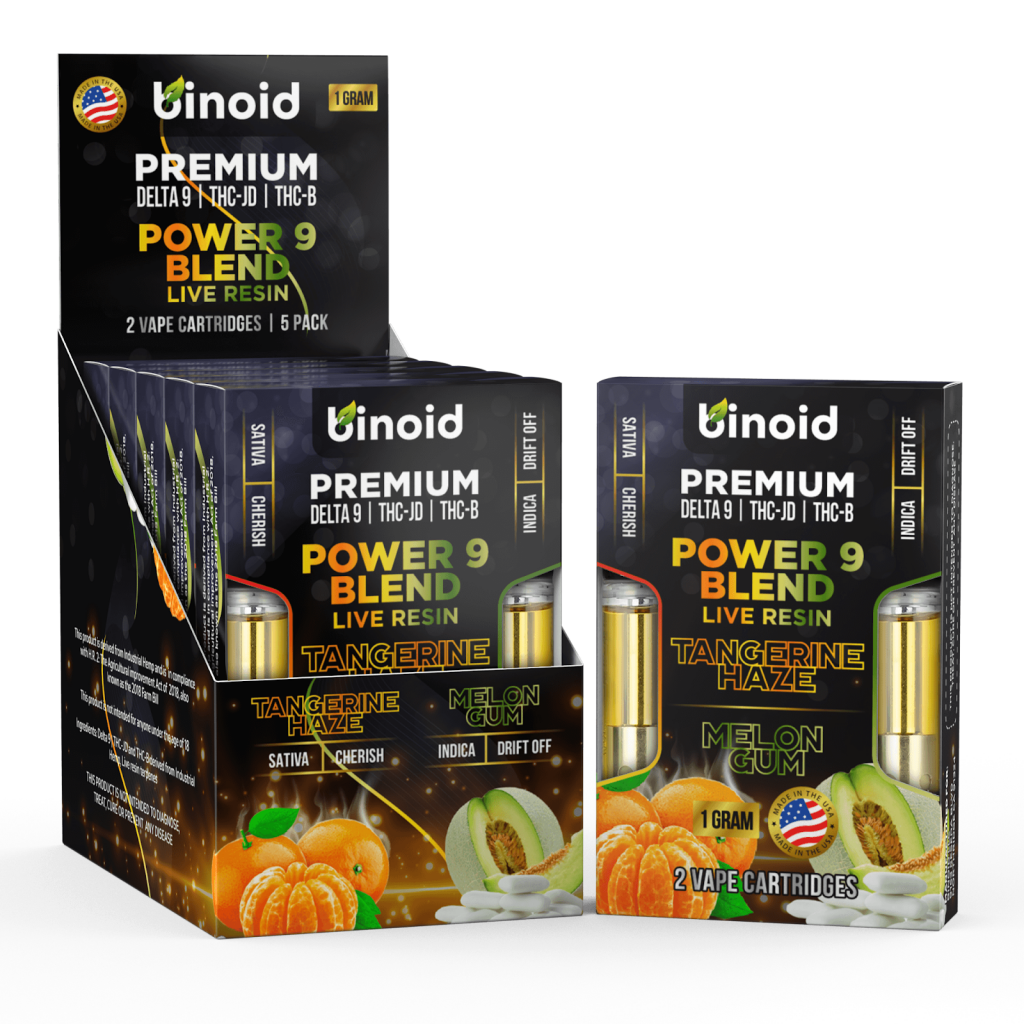
The right call in the HHC vs THC decision depends on what you're actually looking for. There's no universal answer here.
Go With THC If You Want the Full Experience
If you're after a stronger, more traditional high and you're in a state where Delta-9 is legal, THC is a potent and well-documented option. The effects are more intense, and the potency is higher.
Consider HHC If You Want Something More Manageable
If Delta-9 tends to feel like too much, or if you're somewhere that hemp-derived products are more accessible than marijuana, HHC is worth a serious look. The effect is real, not watered-down, but it comes without the same intensity at the top end.
If You're New to Either One
Start low. That advice applies equally to HHC and THC. Give your first dose time to work before adding more, and don't combine either one with alcohol or other substances until you know how your body handles them on their own.
Final Thoughts
The HHC vs THC comparison isn't complicated once you strip it down to the basics. THC is more potent and hits harder. HHC is smoother, more stable, and, in many places, easier to access legally. Plus, both work through the same system in your body.
Make sure to check the laws in your state before purchase and choose based on what suits your body's needs and circumstances.
FAQs
Is HHC stronger than THC?
No. HHC is generally less potent than Delta-9 THC. It lands somewhere between Delta-8 and Delta-9 on the strength scale, but not as intense as the full-strength of Delta-9.
How long do HHC effects last compared to THC?
It’s about the same effect. When inhaled, both HHC and THC typically produce effects lasting one to three hours. With edibles, both can stretch to four to eight hours or more. The delivery method matters more than which compound you're using.
Will HHC show up on a drug test?
It can. HHC breaks down in the body in ways that could produce compounds similar to THC metabolites, which standard tests are built to detect. There's no reliable guarantee of a clean result. If testing is a concern, avoid intoxicating cannabinoids altogether.
Is HHC legal in all US states?
Not in all of them. HHC from hemp is broadly considered federally legal under the 2018 Farm Bill, but several states have passed their own restrictions on hemp-derived intoxicants. Always check your state's current laws before purchasing.
Can you use HHC and THC at the same time?
Best to consult with a health professional for advice on combining both products. Everyone's body responds differently, and a professional is the right person to guide that conversation. However, it’s best practice to use one at a time and watch how your body reacts to each.
